

A woman walks into the office holding her phone, points at a stranger’s before-and-after, and says she doesn’t want that result. Dr. Luke Swistun’s answer is almost always the same: that isn’t you. The photo shows someone with different tissue, different proportions, and usually a different surgery — none of which predicts where her own breasts will settle.
Dr. Swistun is the explant expert at La Jolla Cosmetic Surgery Centre, and women fly into San Diego from all over to see him. With hostess Monique Ramsey, he walks through a single real before-and-after — the same woman at two months, six months, and two years — and explains what’s swelling, what’s final shape, and where the nipple sits relative to the breast fold (the landmarks that drive every decision).
He covers why some women need a lift, some need fat grafting, and some need nothing at all, plus a delayed lower-pole skin excision done under local in about an hour, and serial fat grafting that builds a full B with no implant at all. The conversation lands on the part most women aren’t ready for: how different they feel once the implants are gone.
His rule for anyone afraid of the scars: do less, because you can always do more. The woman in that progression took it — removed the implants, waited, then tightened a little skin under local — and told him afterward they look exactly like they did in high school.
Links
Listen to more breast implant removal episodes:
Fat Transfer, What Could Go Wrong? with Dr. SwistunPlastic Surgeon Clears Up Capsulectomy Confusion with Dr. Swistun
Patient Janelle: Why I Had My Implants Removed After 22 Years
Meet San Diego plastic surgeon Dr. Luke Swistun
Learn more about breast implant removal (explant)
Questions answered by this episode
1. What will I actually look like after breast implant removal?
2. How long does it take to see the final result after an explant?
3. Do I need a breast lift when I have my implants removed?
4. What is a delayed lower pole skin excision, and when is it used?
5. Can fat grafting restore breast volume after explant without implants?
6. How much transferred fat actually survives after fat grafting to the breast?
7. Why do explant results look so different from one woman to the next?
8. What are breast landmarks and why do they matter when planning an explant?
9. Is it better to remove the implants first and decide on a lift later?
10. How do women feel about themselves a year after explant?
About this podcast
Learn from the talented plastic surgeons inside La Jolla Cosmetic Surgery Centre, the 12x winner of the San Diego’s Best Union-Tribune Readers Poll, global winner of the 2020 MyFaceMyBody Best Cosmetic/Plastic Surgery Practice, and the 2025 winner of Best Cosmetic Surgery Group in San Diego Magazine’s Best of San Diego Awards.
Join hostess Monique Ramsey as she takes you inside LJCSC, where dreams become real. Featuring the unique expertise of San Diego’s most loved plastic surgeons, this podcast covers the latest trends in aesthetic surgery, including breast augmentation, breast implant removal, tummy tuck, mommy makeover, labiaplasty, facelifts and rhinoplasty.
La Jolla Cosmetic Surgery Centre is located just off the I-5 San Diego Freeway at 9850 Genesee Ave, Suite 130 in the Ximed building on the Scripps Memorial Hospital campus.
To learn more, go to LJCSC.com or follow the team on Instagram @LJCSC
Watch the LJCSC Dream Team on YouTube @LaJollaCosmeticSurgeryCentre
The La Jolla Cosmetic Surgery Podcast is a production of The Axis: theaxis.io
Theme music: Busy People, SOOP
Announcer (00:00):
You're listening to The La Jolla Cosmetic Podcast with Monique Ramsey.
Monique Ramsey (00:05):
If you're somebody considering an explant, there's one question you probably keep coming back to, which is, what will I actually look like? So you've maybe read through BII research, you've scrolled through Reddit, you've been on the Facebook groups and you've made peace with the idea of taking your implants out and then you kind of might be hitting a wall. And the reason is because there's photos floating around online that don't necessarily help much. Sometimes they're chosen for shock value. Maybe they don't really show a progression of that same patient through the healing process and they almost never explain why patients with the same surgery might look completely different. That's why we're here today. We're going to speak with Dr. Luke Swistun. He's our go- to explant expert here at La Jolla Cosmetic Surgery Center and women fly into San Diego from all over to see him and have him do this surgery for them.
(01:10):
And he's really the surgeon who gives every explant patient his personal cell phone and wants you to feel that you're connected with him because he knows that sometimes recovery's scary and especially visual recovery and that comes in phases. And so he understands that you might have a panic at a certain point in time, whether it's week two, week three, and he knows what's normal. He can help you through it. And so this episode we're going to talk about the visual side of things. We've done several explant episodes with Dr. Swistun and we'll have links with those in the show notes. But today we're going to talk about what real patients look like at six months at a year and what shapes whether they needed a lift or maybe fat grafting or both or noth at all. So welcome back, Dr. Swistun.
Dr. Swistun (02:05):
Yeah, thank you again for having me.
Monique Ramsey (02:08):
That question that people of course ask and which is totally natural, what am I going to look like? Why is that question sometimes really hard to answer in a brochure or on a webpage?
Dr. Swistun (02:21):
I think obviously every patient's different and the research they do, they don't understand sometimes what they're looking at. So it's a very common situation that I have where patients come in for an explant and they show me a photo and say, "I just don't want to look like this. " And they show me a photo of some patient who let's say never had a lift and there's a lot of loose skin around and this patient's like, "I definitely want to lift, but I just don't want to look like this. " Well, if you have a lift, you're not going to look like this. So there's a lot of information out there without a lot of explanation sometimes and patients just look at pictures. Like you said, Monique for shock value, I think clickbait is a very common thing nowadays and that gets people hooked and kind of ruminating over what am I actually looking at?
Monique Ramsey (03:04):
What does the patient see maybe in the mirror at day one week to month one, month six? How does that change over time?
Dr. Swistun (03:16):
Well, let's actually step back a little bit. A lot of times patients have certain expectations and they know, like you said, they basically had made peace with the fact that they are going to have less volume because they are going to give up their implants. So for one reason or another, they've made the decision to do that. And now we are just dealing with the tissue that they have, whether it's their breast tissue, their skin, and maybe the fat surrounding it and whatever breast shape there is left after an implant has been removed. So those are all cosmetic decisions as far as what we do with that tissue. There's lots of different options and a lot of patients are not aware of those different options and they look at random pictures on the internet and say like, "Oh, this patient had an explant and this is what it looks like that's horrible." Well, maybe that patient didn't have a lift.
(03:59):
Maybe she had a very unfavorable breast situation or presentation to begin with. Maybe the landmarks are way off. So I think the most important thing is to inform the patient what their options are and also what those options look like based on their presentation.
Monique Ramsey (04:16):
And what do you mean by the landmarks are way off?
Dr. Swistun (04:19):
Excellent questions.
Monique Ramsey (04:20):
Where the nipples are or-
Dr. Swistun (04:22):
Exactly. Exactly. Exactly.
Monique Ramsey (04:23):
Okay. Okay. I'm just going to say.
Dr. Swistun (04:24):
So no, you're exactly right. So there's a lot of patients that have a very youthful breast contour when they were younger and then let's say they gain a little bit of weight. They breastfeed some children and what that does is that expands the skin envelope to some extent. And then sometimes the skin elasticity and the breast shape is so favorable from the very beginning that the tissue just shrinks right back down to really what it was before. There was not a significant change after all these years had passed. And these are patients who augment and they get a bigger breast because of the implant. But a lot of times if we just remove the implant, the breast goes back to the original shape that it was, especially if it was a small implant, especially if it wasn't there for a long time, especially if the patient hasn't gained a lot of weight during all this time or maybe she couldn't breastfeed so the breast had never engorged and everything stayed the same.
(05:15):
So the landmarks that you're referring to may be still very favorable. The nipple may be significantly above the breast fold. The breast footprint may be in a very good place. And if you just explant, then the shape just goes back to what it was before and the skin does not show a lot of redundancy or a lot of wrinkling and the patient's very happy and I have plenty of patients like that.
(05:37):
So that's the first approach I take whenever I examine a patient is where is the nipple relative to the breast fold? Where is the breast footprint itself? Is it where it should be much higher or has it descended over time and things like that. And those are things that sort of allow us to predict what's going to happen. Now there is the opposite patient. Obviously there are patients who let's say had a very favorable breast shape to begin with and then they want it to go bigger so they got an implant and then maybe after that they had two or three children and they gained a lot of weight during one of those pregnancies. So the breast has gotten significantly larger and then the breastfed on top of that. So now the breast got even larger on top of that and the skin has grown around all of that volume at some point in time.
(06:18):
So typically the skin envelope represents the biggest that breast ever was in this patient's lifetime. And now once the breastfeeding is done, once the weight has been lost and once the implant has been removed, all of that skin redrapes according to gravity. And so now you maybe have a very unfavorable landmark situation where you have a nipple that is maybe well below the breast fold. And if you take away the volume of the implant, that nipple will just point to the ground. And most patients don't really like that look and that's a patient that really benefits from a lift where we can rearrange and restore the landmarks to where they need to be. The nipple goes way higher. The breast gets gathered up into a higher footprint and smaller footprint like it was before and a better forward projection.
Monique Ramsey (07:10):
And then what about the patient who maybe they had implants for a decent amount of time and they had a capsular contracture and then if you're having to take out maybe scar tissue or if there's some deformity, then does that also change how you approach the breast?
Dr. Swistun (07:34):
Well, certainly can. Anytime the patient had multiple surgeries on the breast for whatever reason, that introduces additional scars, that introduces questions of what is my blood supply and how much tissue from the breast we can actually salvage that is going to live. And then also during those surgeries, those capsulectomies, how diligent was that surgeon to preserve the patient's breast tissue? Some surgeons are very, very precise and very meticulous and they let's say remove only the capsule or maybe only the portion of the capsule that was problematic and they leave everything else, which is good because then that gives us more tissue to work with. And then some surgeons may take a little bit less time and there may be a litle bit more collateral damage. And if that happens more than once, then that can actually cause breast deformity because that can thin out certain areas of the breast where the capsule was taken off of multiple times and then that breast is significantly deficient in a specific area. And to some extent that can be corrected by rearranging the tissue and filling in that area, but there's limitations to those techniques.
Monique Ramsey (08:33):
So for the YouTube viewers today, we're going to show a real before and after kind of a progression over time and have Dr. Swistun explain that. And for the people listening, maybe you're on your drive or you're on a walk. So I'll have you, Dr. Swistun, kind of explain what we're looking at so we can look at what is it immediately post-op versus a few months later, what is swelling versus what's real shape that you might be getting to keep.
Dr. Swistun (09:04):
Let me prequel that before you show the picture. Basically, I think the best way to approach the question, what am I actually going to look like is to actually have a visit with us so that the patient can be evaluated and the landmarks can be sort of discussed. I typically evaluate all my patients in front of like a wall size mirror as you know. And then the patient and I together look at where the landmarks are and what that actually means for the patient. And I have a large library of before and afters that we can then use in order to sort of correlate the patient's appearance, the patient's presentation to another patient who has already gone through this entire process and she's six months out or a year out or two years out. And I found that that was probably the best way of really reassuring the patient what they're facing.
(09:47):
I actually asked this question a lot six months after our explants, a year after an explant when the patient follows up with their final result, I actually asked them, "Was the thing I showed you before we did the surgery representative of the result you have now?" And most of the time the answer is yes. "Oh yeah, this is exactly what I expected based on the pictures that we reviewed, this is what I knew was going to happen and this is exactly what it was, what you showed me. "There's no right or wrong answer on this. The other caveat to this story is that once the patient has made the decision to remove the implant and remove the capsule, then that is the only necessary part of their surgery. Everything after that, the cosmetic decisions become personal and become their own decision. My job is not to tell the patient what she needs.
(10:31):
I'm never going to tell a patient," You need a breast lift. You don't need a breast lift. "It's all relative and some patients are comfortable with different results and also different scar patterns on their breasts. So there's plenty of patients who have a very favorable result and the tissue is in the right place and all we need to do is just remove the implant and it'll settle a little bit, but they're happy with that. And some patients now, they're like, " No, I just want them as high as possible, as tight as possible. I don't really care about the scars, just do a lift anyway. "And what I can do is I can take that patient and show them this is what it's going to look like if we don't do a lift. And this is about what it's going to look like if we do a lift and the differences may be subtle and the incisions will be shown and that patient can then decide.
(11:13):
But all those decisions are cosmetic and all those decisions are theirs to make. And my job is to guide them through those decisions and basically arrive together at the surgical plan that works best for that patient.
Monique Ramsey (11:26):
Well, I like the fact that we all as consumers can sit here at home and look online, but it really doesn't matter until we come and see you and have that consultation and stand in front of the mirror so that you know what you're dealing with, you can explain to the patient some of these landmarks and then show those pictures because it doesn't really matter if you see person A versus person B if you're person C. It doesn't matter.
Dr. Swistun (12:00):
The value of that is there's a lot of patients that I've come across that are just really wasting their time because they're showing me pictures that completely do not apply to them and they're like, " I don't want to look like this. "I'm like, " Well, that's not you. "That's a completely different situation that is completely irrelevant to your presentation".
Monique Ramsey (12:14):
So have that consult. Okay. I'm going to share the screen here and what we're looking at if you'll walk us through, this is obviously the same patient and it says explant with total capsulectomy and delayed lower pole skin excision. So will you translate that for us?
Dr. Swistun (12:35):
Sure. So this is a patient that had implants for quite a while, maybe 15 years or so and she did breastfeed. Her breast did not engorge. She maintained her weight during her pregnancies and at this point she was ready to remove her implants. She did not want to lift. She was not interested in the incisions and her landmarks are overall favorable. So what I mean by that, if you look at the before picture, the very first picture, you can see that the nipple position is well above the breastfold. The deficient part of the presentation here is that the breast volume is slightly smaller than we would like. And if that skin is stretched over time with the implant, then the skin does become a little bit redundant. So you can see that at the two month mark. The thing that I always tell patients in this situation is that they have to be very, very patient.
(13:22):
Time does a lot and some of the patients are totally on board with this and they're happy to wait. They're like, " I don't really want the lift right now. I don't want to commit to those incisions, to those scars. I'd rather wait and see what happens. "And if a patient is young and if a patient young is always relative, but I'll tell patients in their 30s or in their forties like, " You're relatively young, your skin has good elasticity, things will improve just by themselves if we give it enough time. So the things that I look for is the patient's age but also the quality of the skin. So on good test is if a patient was pregnant and she does not have any stretch marks on their abdomen after a pregnancy, that is usually reflective of pretty good skin quality, good collagen count, and that skin tends to rebound really well.
(14:10):
So there's a patient like that. You can see that she doesn't have any stretch marks on her abdomen after her pregnancies. If you look over time at the two month mark, the breasts are slightly lower. The nipple position is slightly low. There's a little bit of skin redundancy. The shadow underneath the breast is a little bit more pronounced, but this is an early result. Then if you look at six months, there's an improvement. If you look at exactly the nipple position relative to the breast fold on that bottom picture at the six month mark, you can see that the nipple has raised itself a little bit. It's traveled a little bit higher on that chest wall and the skin on the bottom of the breast has tightened up a little bit. And then if you look at the two year result, that's happened even more.
(14:51):
It's subtle on the small picture, but if you actually look really closely where the nipple is relative to the breast fold on that lower part on the right breast, you can see that the nipple is now significantly higher, significantly closer to her neck to her stoma notch and the shadow underneath the breast has now significantly diminished. So again, this is all same lighting, but look at the shadows of the breast at the two month mark, the six month mark, and the two year mark, you can see that the breast is basically tightening in. So this is a patient that basically stabilized at two years. This is the skin that's going to get as tight as possible. And she was actually very happy with this result. She was like, "This is actually pretty good. They're small, but they're high and this is kind of what I expected." But one thing that we were able to offer her is to tighten up that lower skin envelope a little bit because her nipple position now at the two year mark is actually very, very favorable.
(15:45):
If you look at the landmarks, if you look at the measurements between her neck and the nipple, those are exactly where they're supposed to be. But what's a little bit redundant now is that the bottom half of the breast, some of that breast tissue is settling into that slightly excessive skin envelope. So all we did is remove a litle bit of skin on the bottom. We did not have to do an entire lift. We did not have to reposition the nipple. We did not have to put any incisions around the nipple or down into the center of the breast. All we did is just extend her original incision from the explant a little bit further to the center, which allowed us to take an ellipse of skin out of the bottom and that tightened up the lower pole. And I don't know if you can zoom in on this, Monique, between the two year mark and the skin excision mark on the three quarters view
Monique Ramsey (16:30):
Yeah, like this right here is like flat and then here it's all nice and curvy.
Dr. Swistun (16:35):
Exactly. So all we did is just extend that incision, which by the way, healed meticulously well. If you look at the before our skin removal, look at her scar. You can barely see it in that breast fold. It has healed like a litle wrinkle. Is it that little thing right there? Correct, correct. Yeah. So we knew that this patient heals extremely well. So she's probably not going to mind a longer scar in that area if we can tighten up the breast shape a little bit. So all we did was remove a litle bit of extra skin on the bottom. It's about a two centimeter, two and a half centimeter with a lips of skin from the bottom of the breast. It extended the incision a litle bit towards the center, but it gave us the opportunity to tighten up that entire lower pole, which did two things.
(17:14):
Number one, it removed the little hanging bottom half of the breast and the number two, it actually shifted that volume into the center of the breast for better nipple projection. So see that nipple was facing a little bit more forward. So that's all it was. Now, this was done under local. There was no general anesthesia for this. It took me about an hour. The patient was listening to her favorite music during the case and then she went home and there's really no downtime for this. It's basically a skin excision maneuver. And so she was very happy after this. This was basically, she said they look exactly like they looked when I was back in high school and best maneuver ever and I avoided a lift and I'm glad I waited. So I love this situation. This is basically a very informed patient who makes a very informed and very safe decision to basically do the minimal thing at the beginning, which is remove her implant in the capsule, give the body time to declare itself and see where everything lands and at two years reevaluate and see what they need.
(18:13):
She could have still gotten the lift if she wanted to. That would've put the nipple just a little higher, just a little tighter. I don't think it's necessary. She didn't think it was necessary. We went with the easiest option possible to tighten up the breast, which was that local excision of skin. Another option she has at this point is to actually increase her volume a little bit with doing fat grafting. So we could do liposuction of the abdomen and liposuction of the flanks and maybe obtain a little bit of fat and then graft that fat into the breast and then give her a little bit of a fuller result, whatever cup size she has. It depends on where she shops. I imagine this is like an A or a small B depending on where you go. She could be a full B if she wanted to with fat grafting.
(18:51):
She decided not to do that. She said, "This is actually good enough. I'm happy with this. They're small, but they're mine and they're very cute and I don't want another surgery right now." And I was like, "Perfect, that's good to go. "
Monique Ramsey (19:02):
How many of us would love to be where we were in high school?
Dr. Swistun (19:06):
Exactly. I hear that a lot.
Monique Ramsey (19:09):
So the fact that she saw that and I love the fact that she did wait it out because you see here, like I noticed this is at two months, it's really kind of deflated because that's what you would expect. But then even at six months, it's less deflated.
Dr. Swistun (19:30):
Correct.
Monique Ramsey (19:31):
And then everything, like you said, sort of tightens up. And is it just that the body's tacking everything down or is it scar tissue or what's happening?
Dr. Swistun (19:41):
I think the skin just needs time to remodel. I mean, I think the skin adjusts to some extent to the new volume and the collagen remodels and tightens up and most significantly in this patient, the bottom half of the breast has really tightened up because if you look at the before pictures when she still had implants, that implant is actually on a litle bit on the lower side on both sides. So it really caused expansion of the skin on the bottom half of the breast more than anywhere else. So that skin just needed to tighten up and it takes two years for a full result. I used to say six months, maybe even a year, but no, I really think it takes about two years for that final, final result to really manifest.
Monique Ramsey (20:19):
Is there the window between ... Let's go back to the beginning of you've just had the surgery and maybe it's week two, week three where patients are in a panic mode a litle bit thinking, "What am I going to be like? And is this why you give your phone number out? "
Dr. Swistun (20:40):
That too. Yeah, I just like to communicate directly with patients. I think there should be no delays in communication. If they have a question for me regarding anything, I think it's fair game because they're my patient. If there's a problem, I want to be the first to know because I can do the most about it the fastest. That's the logic behind every patient having my phone number, not just breast surgery but any surgery and it's never served me wrong. As far as the early results, yeah, I really get them ready for that because early results, I just call them, this is very surgical. Their breast is very surgical right now because it just had surgery. So what are we seeing? Well, we're seeing swelling everywhere. We're seeing tight stitches in certain places. We're seeing inflammatory response to the presence of sutures on the bottom, which presents as a healing ridge, which is very tight and that sort of deforms the breast to some extent and that's totally normal.
(21:27):
I always tell them, "This is exactly how I wanted to look at this stage." Obviously we have scheduled follow-ups for patients, so that's where a lot of that reassurance comes from, but even setting them up early on. And I always reassure them that, "You know what? There's always plan B's. Let's say this will settle." I always tell them, "Give it time. This will look better. I've done this before." If it doesn't, there's always other things, little things we can do. Let's say there's a little extra skin aside. We can do a litle dog ear excision under local. If one breast is a little bit smaller than the other, we can do a little bit of a liposuction on the bigger one under local to bring it down to match the smaller, or we can do fat grafting to the smaller one to make it bigger.
(22:03):
There's all these options and most of the time we don't have to do any of that, but these are certainly available if we need to do that.
Monique Ramsey (22:13):
Now if we talk about lifts, getting to the lift question, when you have a patient who's maybe implant removal only or capsulectomy only and she's at six months and you have a patient who had a lift, breast explant capsulectomy and a lift at six months, what's the visual difference going to be?
Dr. Swistun (22:37):
Well, I mean, everything is going to be exaggeratedly high, first of all. Whenever I do a lift, I always tell patients gravity always wins. So we need to account for that because everything will settle down. And so they're usually at the very beginning, the breast looks like it's on upside down because it's very tight on the bottom and it's exaggeratedly high under the clavicle and everything is swollen and the swelling goes away from where the stitches are, which is the tight part and towards the soft part, which is upper pull. So they're just very upside down and the nipples sort of pointing down at first. But what I tell the patient is that there are stitches in those incisions on the bottom half of the breast that take three months to dissolve and once those dissolve, all that tissue relaxes and allows that volume to kind of settle down into the appropriate lower pole and then there's a very good balance of that and that will be the permanent result.
(23:29):
If they look perfect at the end of my surgery, they would look droopy in six months. So they need to look exaggeratedly high because gravity always wins. And these are things that we discuss very specifically to get them ready for that. Obviously everything is very surgical. There's a little bit of bruising, there's steri strips, the scars are fresh. There's ways to sort of avoid having to deal with that because we have steri strips over all of the incisions and we kind of keep things covered and everyone gets through it.
Monique Ramsey (23:56):
Yeah. Now do you ever have a patient as much as they might've prepped themselves mentally, you've prepped them showing before and after pictures of other patients who says, "Yeah, I want the lift," but then somewhere in the middle of healing they're like, "Ah, what have I done?" So how do you help walk a patient through the trade off of that lift and what the longevity may be of the result or why those scars might be worth it?
Dr. Swistun (24:28):
Well, one thing we do is show long-term results as well. Most of the results that I do have are two months out or six months out because patients just don't want to come back after that because they're healed and they're fine and they move down with their lives and if they don't have any problems, they don't come back. Occasionally we have a patient that comes back for something else and we do have some pictures that show this is what a two-year-old scar looks like. And usually that scar fades to the extent that you really don't see the scar, you just see the contour that we were able to achieve long term and that's usually a very favorable picture for patients to look at because they can relate because they have the original scars from the augmentation. So like, "Oh yeah, mine is that faded too." So yeah, two years out, that's what it's going to look like. So again, it's just reassurance on top of reassurance.
Monique Ramsey (25:13):
So I think fat grafting is such an interesting topic and patients are talking a lot about it because we're seeing more fat grafting out there in the wild. And so when you're using that fat to restore some volume, can you walk us through an actual example of a patient, not visually, but somebody who you use their fat to restore the volume
Dr. Swistun (25:41):
There's only two ways to increase the volume of an existing breast. Number one is with an implant and number two is with adding fat to the breast in order to increase a little bit more volume. Obviously the implant is sort of the standard in just making the breast a lot larger and it has very few limitations. You can pick the size you want and that's the size you get, right? If you pick a 300 cc implant, your breast is going to be 300 ccs bigger. Fat grafting has a lot more nuances to it and there's a lot more limitations, but it is your permanent result once everything takes. So there's a couple of myths about it, like how much fat does actually stay or does the fat completely resorb? I think in general, in my experience, at least about 50 to 75% of the fat that we transfer will stay forever, give or take 50, 75%.
(26:27):
It depends on the blood flow and the blood supply in the breast itself. So if it's a breast that's never been operated on or barely operated on, then that breast will have better blood supply and it'll take the fat better. If it's a breast that had multiple lifts and multiple incisions, then those incisions interfere with blood flow throughout the entire breast. So that breast tissue will have in general less blood vessels to accept the graft and have it permanently kind of revascularized. Those are nuances that we talk about. Those are the limitations. Also, the patient may not have a lot of fat. There's a lot of patients who are super thin and then we struggle to find fat on them just to use because you do need a good amount of volume to actually use. It's got to be usable fat after liposuction. Or some patients have very little breast volume to begin with, which is another limitation because that breast volume, that three-dimensional space of the breast only has so much blood supply.
(27:22):
So therefore we can only put so much fat in there before we overwhelm that blood supply. And if we put too much fat into a area that does not have a lot of blood supply, that's when you get the complications. You get fat necrosis, you get oil cysts, that fat just doesn't survive in massive amounts and it just dies. So we have to be very judicious and it's my responsibility as a surgeon to make that decision, how much fat can I actually safely graft in there?
(27:48):
There are patients I have who basically commit to not having an implant ever but still trying to maximize their breast volume and those patients get serial fat grafting. And I've had three patients like this that basically had that plan and it worked out really, really well. So patient comes in and says, "Get my implants out, I'm done with these. I just want to be natural. How do we do that? " And I still want like a solid B if not a C and I have very little tissue. So we commit to a plan where we get the implant out, we wait to see what happens. We allow the tissue to settle down, patient comes back in six months and then we evaluate the tissue and say like, "Okay, there's not a lot of tissue here. We have to build up on this a little bit.
(28:27):
So let's do liposuction of your medial thighs first because we need a little bit of fat and we're going to use all of that to build up both breasts just a little bit." And then we fat graft again, but this time the breast is slightly bigger. So now there is more blood supply in that breast. The breast has undergone neovascularization, which means that there's now more blood vessels in there so it will accept more fat. So now we go after a bigger fat deposit in that patient, the abdomen and the flanks maybe so that we can harvest more fat because we're going to need more fat to graft into that bigger breast and now we can have a lot more of a result the second time around. And then we can even do it the third time for any little corrective procedures. So the patient that I have a series of photos of underwent exactly that.
(29:13):
And at the end of the day, she arrived at a very solid B and after two fat grafting sessions, six months apart and after her explant and never had a lift, she just needed the volume for the fat and it did really well. So she was very happy after two and a satisfied patient and she got the benefit of liposuction in the areas that she had stubborn fat that didn't want to go away in the gym. So kind of a win-win for both of it.
Monique Ramsey (29:40):
Right. It is a win-win. As long as if I can't be the donor then we'll let you, since that's not a thing,
Dr. Swistun (29:51):
You got to have to- The only donor to your fat could be your genetically identical twin sister. I've mentioned that before.
Monique Ramsey (29:57):
I don't have one of those.
Dr. Swistun (29:59):
Yeah, I've I've actually come across that situation one time, I think I mentioned this before, but the sister did not want to donate her fat. She's like, "I'm keeping my fat."
Monique Ramsey (30:09):
We did an episode a while back, fat transfer, what could go wrong. And in that episode, you were really candid about the limits of fat and when is fat the right tool for an explant patient and when is it not? And is it mostly based on how much fat they have or does anything else play into that?
Dr. Swistun (30:30):
Well, I mean, it's the limitations that I sort of discussed just now. It's how much volume do they have to start off with? How much usable fat do they have that we could borrow from the rest of their body to actually graft? And are they actually willing to undergo multiple surgeries if they want that biggest result? Obviously that's a huge limitation for a lot of patients. It is a cost, it is a recovery, it is a commitment for their family to help them through each one of those recoveries. But I always paint a big picture of what is your lifetime goal? What is the lifetime result that you would want? And in this case of the patient that we were discussing, it's like, "Well, I want the biggest breast I can possibly have without ever using implants." And they're like, "Well, there you go. This is how we get you there.
(31:13):
Three surgeries, but that's how we get you there." And she's two years out from her last surgery and she's happy and basically she's done with that, that whole thing for the rest of her life. And she has the volume she wants without having implants and no more surgery pretty much for the rest of her life unless something drastically changes.
Monique Ramsey (31:32):
Are there any limitations with age in terms of what they're able to do or what you're able to do for them?
Dr. Swistun (31:40):
Not so much the age. I mean, the age is definitely a factor in the recovery and in their blood flow and stuff, but it's really the health of the patient. There are plenty of patients who are way less than 70 that are not good candidates for major surgery. And then there are patients who are older than 70 that are excellent candidates. I did a surgery recently on a patient who was 79 and she did amazing. It's just where the tissue is, where the blood supply is, what kind of blood supply we have. And then agent itself is, I think, less of a factor than maybe smoking history or current smoking. That is a big deal because nicotine is a vasoconstrictor that significantly interferes with healing. So those patients are much less of a good candidate for a Lyft or tissue rearrangement surgeries. So it's really other factors as well.
Monique Ramsey (32:26):
So we also did a podcast that talked about the four different types of capsulectomy and you laid out the framework. Does the technique that you're choosing in the OR impact the final results, how it looks or is the outcome mostly based on what's left behind and skin breast tissue and time?
Dr. Swistun (32:52):
I think the goal for me whenever I do a capsulectomy is to cause the least collateral damage I possibly can. So if I have the correct exposure as in everything is open and I can see exactly what I'm doing precisely all the way around that capsule, then I prefer to remove the capsule because I think things heal better and I remove that capsule with very minimal cautery and dissection. It's really a lot of times that avascular plane where that capsule is just kind of opens itself if you have the right exposure if you're true to that plane. So it's a very technical thing. I've done it sort of the most common surgery that I do, so I'm very comfortable in that area. But if I can remove the entire capsule and cause the least collateral damage, that sets me up for the most success.
Monique Ramsey (33:32):
Yeah. So we've talked about the visual parts of recovery and how that changes over time and how the breast changes, but what about the emotional parts of recovery? How have you noticed women feeling in their bodies once they're, let's say, like a year out from surgery?
Dr. Swistun (33:53):
It varies, but the vast majority of patients kind of describe it as this is the best thing I've done for myself. And it comes with a lot of other caveats that they mentioned like this, I did not realize how much the implants were affecting me until they were out. That's a very common theme that I hear all the time and it's not just the weight or the size of the breast. It's also how they feel, how they can exercise their breathing, their anxiety levels, their sleep. We covered a lot of that in different podcasts, but that bottom line is like, this is the best gift I gave to myself is having the surgery and actually freeing myself of this for an object that's been there for a long time that was causing things I did not realize even that it was causing. And then they're usually very accepting of the result.
(34:35):
They're like, "Wow, they're smaller, but they're perky. They're up here and they're mine." And it's like back in high school. And I've heard that from a 70 something year old recently. It's like, "Wow, it's like getting back in high school, but what's wrong with that? " So again, and then the comfort is the second comment that they have is like, "I can't believe this is so much lighter and so much better and I just don't have to worry about the bra anymore and I don't have to gather them up all the time. They just stay up here. I can do whatever I want. My clothes fits better." So all these little discoveries that they sort of realize afterwards. There's also obviously the opposite of that. There's not so much opposite, but there are surprises like, "Well, I wish I was bigger. I wish I had more volume.
(35:15):
I enjoyed more volume. There's certain clothes that I wore that looked way better when I had implants and now I'm way smaller." Okay, that's true. So would you like to put an implant back in is the follow-up question because usually there's no contraindications. You could certainly go back and put an implant in after all is said and done to regain that volume, but that is extremely rare. Most patients like, "No, I don't think I want another implant. I don't want basically the maintenance of that or for whatever reason that they removed it is like that's what's holding them back." So it's the lesser of two evils having smaller breasts, but at least they're comfortable. That's not a common situation actually. You think it'd be more common and I think there's a lot more fear of that upfront, but that's not the fear at the other side most of the time.
(36:03):
Most of the time the patients are actually surprised how happy they are with their smaller youthful contour.
Monique Ramsey (36:11):
Does it take time for the brain to sort of catch up to the body because overnight you fixed it in a matter of hours.
Dr. Swistun (36:19):
I'm going to guess yes, but that's a question for my wife. The clinical psychologist, yes.
Monique Ramsey (36:25):
Right, exactly. But I would think you do have to give your body time to heal and your brain time to catch up, I think, with all of it.
Dr. Swistun (36:36):
It's definitely an adjustment, yes. And you hear that theme during their recoveries. A lot of times early on during our first, second, third follow-up, the patient will be like, "Oh wow, they're small. They're very surgical." Again, quote unquote surgical and that's a lot to take. And then over time they settle. Over time it becomes more natural. The pain goes away and things just become normal and you start enjoying them. You start moving again and then you find like I'm actually moving more than I did before. I'm actually finding a lot more comfort in certain situations and it becomes a positive.
Monique Ramsey (37:10):
Yeah. And we just did a recent interview with one of your patients who, her name is Janelle and she came on the podcast. She was on the podcast I think six weeks after she had the explant with you and now it's four years later and we caught up with her to really talk about how has it changed her life and it's a great episode. So I'll put that in the show notes. Okay. So now our last question is after thousands of explants, when a patient sees-
Dr. Swistun (37:41):
I don't know about thousands. Certainly over a thousand.
Monique Ramsey (37:43):
Around a thousand. Okay, over a thousand. Okay. After all those, well, if we double one for each breast, then maybe ...
Dr. Swistun (37:53):
I suppose. Yeah, right.
Monique Ramsey (37:55):
We can math. We can math this however we want. So when a patient sends you that one year photo update, let's say they don't come in but they touch base with you, what do you want her to feel when she's looking at herself and looking at that photo?
Dr. Swistun (38:11):
From my standpoint, I think it's important that I delivered the result that she was expecting and that decision that we made was the correct decision. And I think it takes a lot of time upfront to make that decision together. And I think that's where the value of that 90 minute consult comes in that I always do is because we make a decision to get there. There's no right or wrong answer on the cosmesis. There is no one way to do things and there's no single procedure for any of the given patients. There's options and it depends on what the patient's preferences are to choose the correct option. And I think a year later, I wish, I hope that we made the right decision. For that reason, I like to ... Whenever a patient's hedging, like we don't necessarily know what we want to do or should I get a lift?
(38:53):
I'm really afraid of those scars. I always tell them, "Do less because you can always do more." Now granted that is upfront that doesn't sound like a great plan because that requires an additional surgery. But in the long run, again, you don't want to burn bridges, you don't want to make decisions that you can't take back. So if you are truly concerned about the scars around the lift, then don't do the lift because if you just explant and allow the body to heal, you may be surprised how well everything comes back and you may be very, very close to the result that you desire and maybe the correction then is very subtle. Maybe that's skin incision on the bottom, not a whole lift scar, but just maybe a scar on the bottom of the breast or maybe fat grafting will give you a little bit more volume.
(39:38):
We don't necessarily know what the best answer is two years later unless the body actually declares that result. There are some patients that are the opposite of that. They're like, "I just want one and done surgery. Look, I'm raising three kids. I don't have time for this. I'm not going to come back for another surgery. That's what's the best option for me to have this done under that involves only one recovery." And typically at that point we can say like, "Well, if you're okay with those lift incisions, then I know I can optimize your breast shape and breast volume that you bring to the table with that procedure." And then they say, "Fine, let's just go with that. "
Monique Ramsey (40:12):
Yeah. And you're right, it does depend on your season in life. Where are you? Who is around you at home or not and how much time you can take for yourself going right back to the thing you said at the beginning, having that consultation because going down a road looking at a bunch of pictures that don't apply to you isn't helpful and it does create some emotional and stress.
Dr. Swistun (40:39):
It creates confusion. It creates stress. It creates confusion. It creates doubt. Yeah. It's irrelevant.
Monique Ramsey (40:45):
So having that, it is a 90 minute consultation-
Dr. Swistun (40:48):
For a reason.
Monique Ramsey (40:49):
For good reason. Exactly. And so having that, because then you have time to marinate on, oh, all right. So then you might think of other questions and come back for a couple little clarification points.
Dr. Swistun (41:02):
Yeah. I find it takes me that long to express, this is what we're doing, this is why we're doing it and this is why I think it's a good idea. And the patient sort of guides me through how they feel and I sort of validate how they feel and basically explain this is what's going to change, this is what may not change. And then we talk about the cosmesis of it and these are the options we have and what do you think we should do? And then yes, I always tell the patient at the end of the day, like at the end of that 90 minute consult, I tell them, "Don't make any decisions today." For the most part, I tell them, "Think about it, go home, don't make any decisions today. If you need more time, if some questions come up later, we can meet again.
(41:41):
We can get on the phone, we can get on Zoom, we can get together in person again if there's any other questions that you want answered before you make your final decision."
Monique Ramsey (41:50):
Right, right. Yeah. I think knowing that you're the resource and you and Kayla at the team around you as a patient, I think sometimes we think we might be a bother or as a potential patient, how much time he already gave me all this time, am I allowed to ask more? Yes, we want you to feel comfortable moving forward and so use the team around you for sure. Well, thanks Dr. Swistun. This was a really good session today and for all of you who are listening or watching, thanks for tuning in and I'll have in the show notes all the different episodes we've done about this because there's like a whole little library that we're gathering here about explants and about auto augmentation and fat crafting and all the things we talked about today. So thanks for joining us and we'll see you on the next one.
Dr. Swistun (42:42):
Bye. Thank you again.
Announcer (42:46):
Take a screenshot of this podcast episode with your phone and show it at your consultation or appointment or mention the promo code PODCAST to receive $25 off any service or product of $50 or more at La Jolla Cosmetic. La Jolla Cosmetic is located just off the I- 5 San Diego Freeway in the XiMed Building on the Scripps Memorial Hospital campus. To learn more, go to ljcsc.com or follow the team on Instagram @LJCSC. The La Jolla Cosmetic Podcast is a production of The Axis, T-H-E-A-X-I-S.io.
Plastic Surgeon
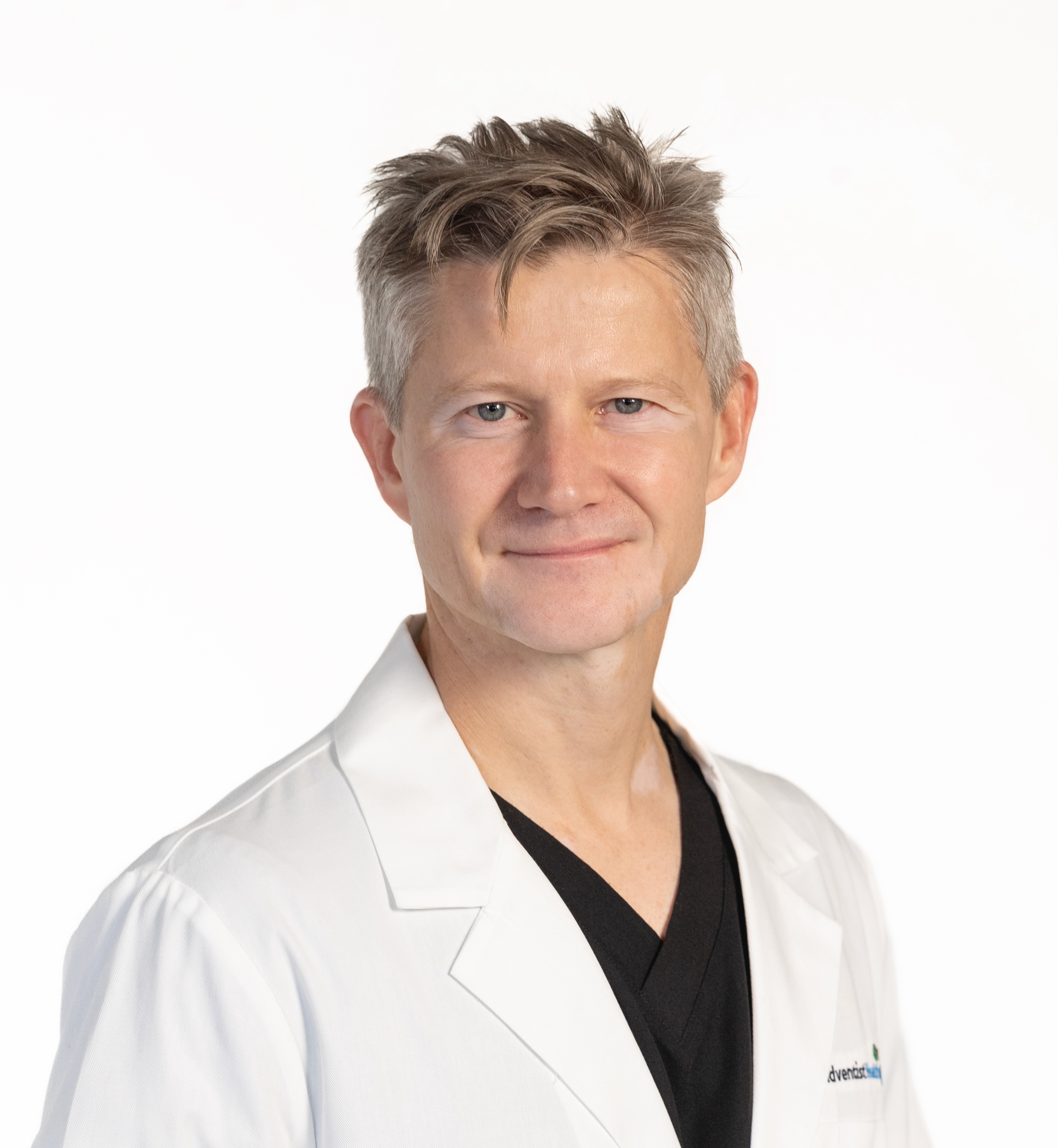
Dr. Luke Swistun is a board-certified plastic surgeon with a background in visual arts and medical military service. He’s known for his artistic approach to plastic surgery and for the close, supportive relationship he forms with every person he treats.
As a plastic surgeon, Dr. Swistun has years of general surgery and plastic surgery training. He attended medical school at the University of Illinois. He completed his general surgical training while in the navy and continued his Plastic and Reconstructive training at the University of Utah. After serving as a naval medical officer and deploying with the U.S. Marines during active conflicts, he completed his general surgery training, and subsequently focused on pursuing what he truly felt is his calling: reconstructive and plastic surgery.