


Dr. Diana Breister, a board-certified plastic surgeon who has done mommy makeovers in San Diego for over twenty years, joins us to talk about everything that happens after the six-week post-op visit.
You can do planks, but no crunches for at least a year. The rectus muscles she stitches back together during a tummy tuck stay hyperactive long after the skin looks healed, and trying to fire them up too early can send them straight into spasm.
Scars are still maturing for up to two years. Future pregnancies hold up better than most women expect. GLP-1 weight loss of 30 or 40 pounds can re-loosen the skin a tummy tuck just tightened. Nipple sensation often returns within weeks, though less than 4% of women lose it entirely.
Dr. Breister also walks through which scar treatments actually have science behind them, how to handle the wardrobe purge nobody warns women about, and why she won't operate until seven months after a woman finishes breastfeeding.
The most useful moment in the conversation comes from Dr. Breister herself: a mommy makeover isn't building a new identity. It's restoring the one you had before.
Links
Meet San Diego plastic surgeon Dr. Diana Breister
Learn more about mommy makeover
Questions answered by this episode:
1. How long does mommy makeover recovery actually take, beyond the six-week mark?
2. When do mommy makeover scars fully mature?
3. Can I get pregnant after a mommy makeover, and will it ruin the results?
4. What happens to a tummy tuck or breast lift if I lose weight on a GLP-1?
5. Why can't I do crunches for a year after a tummy tuck?
6. What scar treatments actually work after a mommy makeover?
7. Will I lose nipple sensation after a breast lift or augmentation?
8. How long after breastfeeding do I have to wait for breast surgery?
9. Is it selfish to get a mommy makeover when I have young kids?
10. When should I start replacing my wardrobe after a mommy makeover?
About this podcast
Learn from the talented plastic surgeons inside La Jolla Cosmetic Surgery Centre, the 12x winner of the San Diego's Best Union-Tribune Readers Poll, global winner of the 2020 MyFaceMyBody Best Cosmetic/Plastic Surgery Practice, and the 2025 winner of Best Cosmetic Surgery Group in San Diego Magazine's Best of San Diego Awards.
Join hostess Monique Ramsey as she takes you inside LJCSC, where dreams become real. Featuring the unique expertise of San Diego's most loved plastic surgeons, this podcast covers the latest trends in aesthetic surgery, including breast augmentation, breast implant removal, tummy tuck, mommy makeover, labiaplasty, facelifts and rhinoplasty.
La Jolla Cosmetic Surgery Centre is located just off the I-5 San Diego Freeway at 9850 Genesee Ave, Suite 130 in the Ximed building on the Scripps Memorial Hospital campus.
To learn more, go to LJCSC.com or follow the team on Instagram @LJCSC
Watch the LJCSC Dream Team on YouTube @LaJollaCosmeticSurgeryCentre
The La Jolla Cosmetic Surgery Podcast is a production of The Axis: theaxis.io
Theme music: Busy People, SOOP
Announcer (00:00):
You're listening to the La Jolla Cosmetic Podcast with Monique Ramsey.
Monique Ramsey (00:05):
Most mommy makeover content that you see on the web stops at the six week mark, which out of the binder back at the gym, what things you're allowed to do. Let's have a little post-op photo at six weeks. But for the patient living in that body, that's barely the beginning.You've gotten through a big part, but what's happening next? And so that's the interesting story that we're going to explain today, like what happens at the one-year mark, the five-year mark, 10-year mark and kind of keep moving. When life keeps moving, you got to keep moving and how is that procedure going to keep moving with you? And what if you have a new pregnancy? That happens too. So GLP-1 medications, you gain weight, you lose weight, your scars are maturing, they're not maturing. Sensation comes back or it doesn't. Sex life might shift. So your wardrobe purge, there's just so many things that nobody talks about.
(01:04):
So I have Dr. Diana Breister here. She's a board certified plastic surgeon and she's been doing mommy makeovers in San Diego for over 20 years. And so she's seen the long arc. So she's seen those patients who she gets them through the hardest part at the beginning, but then sees them later on and what are the patterns that she hears? I wish I did it sooner. I wish I'd done less. I wish I did more. And because a mommy makeover consists of several different procedures and everybody's mommy makeover is a little bit different. And as a mother herself, that also helps how she handles those questions coming from her patients and maybe some of the heaviest questions like, "Am I selfish for doing this? " So let's start at the beginning. Walk us through that timeline. You have the big obviously the procedure. Then what are some of the milestones at the beginning of that post mommy makeover?
Dr. Breister (02:06):
So as you have touched upon, the first four to six weeks are somewhat of a blur. There's the first 10 days where it's pretty tricky, pretty painful. Then it starts to get a little better. And then by the four week mark people are feeling pretty good to start doing a lot more things. Usually by the six week mark, I am releasing people to do whatever they want to do. But I'm also warning them that you are far from healed. There's a long way to go before you're totally healed. And what I mean by that is yes, all the incision lines are going to mature and evolve and that can honestly take anywhere from six months to two years before scars are truly mature. And when I say mature, it means a scar that is no longer pink and no longer raised. So the ultimate goal for a scar is to be flat and pale or flat and the color of your skin.
(03:16):
So there's the scarring that obviously has to get better, but there's also the internal healing. With a tummy tuck, there's so much dissection of the tissues, meaning there's a lot of area and real estate, if you will, that we are disrupting. So to have that entire abdominal flap heal back to the under surface of your body, which is the fascia, takes many, many months. And so I'm very upfront in telling women this that it's going to be another six months before we really see the final, final result and until you're really feeling better. So that's always a very exciting thing to watch.
Monique Ramsey (04:07):
In terms of what patients might feel, is it just start to get, as the swelling goes down, does it start to get just softer or more pliable or more skin-like feeling or what?
Dr. Breister (04:18):
That is definitely part of it and that's the skin surface area. But I think the bigger changes are actually internal because we, as women, our abdominal muscles spread out to accommodate that change of pregnancy. Some women's go back a little bit. Most womens do not. They stay a litle bit apart. That's called rectus diastasis and that's what a woman's, if you turn from the side and you still feel like you look pregnant, it's maybe not necessarily because there's fat, it can be this structure that's bowing out like that. So part of that tummy tuck is reapproximating those muscles to make that rectus diastasis go away. And that is the most painful part of the surgery and that is the part that takes the absolute longest to heal. So those changes, how we have folded essentially together those two edges of the muscle and put maybe two layers of stitches through that is very painful at first and then maybe more of a discomfort secondly.
(05:32):
So you can oftentimes feel a ridge along that area. You can actually feel a ridge in thinner women. You can feel a tightness there that feels stiff. You can actually get more full fast because right under there is your stomach and as you eat and consume, obviously our stomachs expand, our intestines, and you can feel a tightness. So there are not everyone, but a lot of women will say, "Oh gosh, I'm feeling really full sooner." And that's just strictly anatomical. Interesting. I also don't want my patients doing actual crunches for about a year. So yes, they can do planks and things like that, but I find that if they're doing repetitive work on the rectus abdominis muscles, those muscles are very hyperactive right now and they can go into spasms.
Monique Ramsey (06:35):
That sounds painful.
Dr. Breister (06:37):
Yeah. It's just uncomfortable. It's not super painful, but-
Monique Ramsey (06:41):
Like a leg, like a cramp or something.
Dr. Breister (06:43):
It's a cramp. Exactly. So I just tell them to refrain from that so that that doesn't happen. Sometimes women's muscles are more triggered than others and sometimes they actually need a little Flexeril, but that's very uncommon. So that skin, as you referred to, does get softer, but that tightness of the internal belly goes away after time. And I'm going to say at least a year for that.
Monique Ramsey (07:10):
Okay. Okay. Now at the one-year mark, what is kind of the most common thing that your patients will say?
Dr. Breister (07:19):
Well, that is so exciting to see them at the one-year mark. Their life is usually a lot different, changed, excited about clothing options is really, really something that they're excited about exercising like they want, feeling like they belong in their body now and really just changing that baby fat situation of the tummy that no matter what they do, they couldn't have gotten rid of it. So at the one-year mark, they're pretty much sailing into a new realm of clothing options and activities and feeling really great about their body.
Monique Ramsey (08:02):
Well, and don't you think the mental stuff that we have as women going on in our head and if we're not loving how our body looks, that takes up a lot of space.
Dr. Breister (08:14):
Yes, it does. It's a psychological toll on us because like it or not, every day we have to get dressed. And so when you get dressed, having those stigmata of things you don't like, whether it's breasts that are too saggy or todic or this belly that just hangs that you don't like it or stretch marks or a C-section scar that has gone awry, those things are just kind of painful reminders that, okay, yes, I have these beautiful children. However, it has been a toll. It's taken a toll on my body. And that wears on us. It's unfortunate because we want to procreate and have these beautiful kids, but we also want to maintain ourself in a way and feel good. And just because you've had a couple of kids doesn't mean you can never wear a bikini again or just love your body. So it's exciting. Yeah, you want to love your body.
Monique Ramsey (09:16):
In all the podcasts we've done over the years when I talk to patients, it doesn't even matter what procedure they've had. They're like, "I wish I did this sooner. Why was I waiting?"
Dr. Breister (09:25):
Absolutely.
Monique Ramsey (09:26):
Have you heard that too?
Dr. Breister (09:27):
Absolutely, because that's something we've touched upon I know here before is everybody's timeline is a little different and there's so many factors that factor into that timeline. Namely, you have little kids. Right out the gate can be tricky because you've got these little babies and some people are fortunate enough to have a village to help with those kids, a husband that can work from home or in- laws or grandparents that are willing to jump in, but a lot of people don't have that. So some women need to wait a decade or so for that to happen. Also, finances can be hard. You've got a lot on your plate right now. So it's family support, it's finances, it's a spouse on board, it's struggling with, should I do this even? Is this selfish? So many women have those issues, but once they get all those things sorted out and get it, yes, many of them wish they had done it sooner. So yeah, I want to stress that there's no right answer. It's what's right for you, but yes, I wish I had done it sooner is very much a sentiment that I hear a lot.
Monique Ramsey (10:39):
So you're saying if a patient is a year out from having their last child and breastfeed, let's say they're going to have a tummy tuck and breast lift, how long do they have to have not been breastfeeding until you want to touch the breast?
Dr. Breister (10:53):
I would say probably at least about seven or eight months of not. We really want those ducks to kind of shut down and the breasts to really fully involute or go back to what they're going to be. So I recommend seven or eight months.
Monique Ramsey (11:10):
It's crazy how long that stays in there. Let's talk future pregnancies now. I don't know, in 20 something years of practicing, you do a mommy makeover on somebody and a few years later, surprise and they're pregnant. Tell me about that and what does that look like as a child? Is it a challenge to the pregnancy? Is it a challenge for the result afterwards? Tell me all about it.
Dr. Breister (11:36):
It holds up quite well to another pregnancy. The pregnancy growth is so gradual that even though the muscles have been tightened, they stretch out again to accommodate that baby and most of the time it doesn't completely destroy the results. The ones that I have seen have actually snapped back pretty well. They don't get a recurrence of skin and the muscles seem to do great. So I don't obviously encourage to have this and then have babies, but if it does happen, I don't think it's really too much of a concern. I mean, it may change. I mean, your body's going to change obviously with every pregnancy, but for the most part, what I've seen is that they seem to hold up.
Monique Ramsey (12:22):
Well, that's nice to know that it's not like the end of the world or it doesn't completely ruin your result.
Dr. Breister (12:29):
No.
Monique Ramsey (12:29):
Okay. So let's just touch on GLP-1s that's changed body contouring in plastic surgery a lot because I think they've given people a way to safely and more easily lose weight. So what happens to a tummy tuck or a breast lift if a patient loses some weight after they've had the procedure, maybe they gain a little bit later on and they lose that weight. Is it kind of the same as the pregnancy where you might keep the result longer?
Dr. Breister (13:03):
It just really depends on the patient's body and how loose their skin may be. So people who have had more drastic weight loss and weight gain and have yo-yoed a lot in their life, they have a lot of loose skin. So once we do a tummy tuck, the skin is gone, but some of it stretches out. So if they went on to lose more weight, their skin would probably start to get more loose. It really comes down to how loose your skin is and everybody has kind of a different texture of the skin and how much weight they lose. 10, 15 pounds probably is not going to make a difference, but once you get to 30, 40 pounds, you're going to have skin that is deflated and now a little more loose. So it's very possible that you do require a touchup. But a lot of women who need mastopexies, even when they don't gain or lose weight, they need touchups in a decade because our bodies continue to age and even if we're not losing a lot of weight, our collagen is starting to get stretched out and the skin is getting more aged.
(14:19):
So it just depends, but I'm always a proponent. If somebody can lose weight and that's healthier for them, then that's something I think should be primary and then worry about the results secondary if things need a little touch up or something like that.
Monique Ramsey (14:38):
Right, right. So let's talk about scar care in the long term or the short to long term. I mean, we're not going to worry about the first six weeks, but after six weeks, how is it best to take care of your scars? What do people need to be worried about or careful with and what kinds of things are out there that are just maybe a waste of money, but what things are actually helpful?
Dr. Breister (15:03):
Well, the biggest thing as I've touched on is silicone tape. I think that is definitely the really only scientifically studied product that helps scar. So that silicone tape I would advise for up to four months because those scars are continuing to mold and change and mature over time. So four months if they can handle that is great. And if they can't tolerate the tape, which some people can't because it gets a little moist or their skin gets irritated, then there could be a silicone gel. So any kind of gel that has some silicone in it is going to be a good one. Other than that and anything else, any kind of topical cream or massage, those things are modalities as well. Hydrating the scar is helpful and gentle massaging of the scar is helpful too. So if you're using vitamin E oil, is it as good as silicone?
(16:02):
Probably not, but it's not doing nothing because it is hydrating and massaging it as you're putting it in. So scar massage is very powerful and helpful as well to helping that scar kind of soften up faster. Now beyond four months, that's when things can get a little tricky. There's either two courses that people have at that point at four months, scars will either just start getting better and better and some people will have areas that get ropey and thick and we call that a hypertrophic scar. So sometimes at the ends of incisions it gets a little itchy or a little raised. So that's where we have to step in, evaluate it, determine if it could benefit from a steroid shot. So I would say one out of 10 women will get a little area of the scar, not the whole thing that is a bit itchy and a bit what we call hypertrophic. So that usually responds well to a steroid injection.
Monique Ramsey (17:06):
Okay. Let's talk about sensation, whether it's sensation to the breast, to the tummy, that kind of weird tingly feeling like you're touching it but you're not feeling it. And that comes up a lot and people have a lot of questions. So what's the honest long-term story about sensation? What comes back? When does it come back and how do people prepare themselves for that?
Dr. Breister (17:30):
So once again, a lot of individual things here based on a lot of factors, how much extensive surgery you've had on the breast and if you're getting an implant, how large that implant is can sometimes affect that. So we'll start from the top and head down. So as far as nipple sensation, the nipples and the area around it are going to have some change in sensitivity probably the first two to three months, whether that be a little bit numb around it or sometimes hypersensitivity. That's very common. They're so sensitive they can't touch it. So if there is hypersensitivity, it's important to just massage it every day, a couple times a day, even though that seems wrong, that does help to desensitize that. And I would say hypersensitivity is a good thing because it means you have sensation. Some women will have zero sensation out the gate and they don't feel anything and that's always a little scary, but usually I find by three, four weeks, they're starting to get some zingers back and things like that.
(18:32):
So some women will have numbness initially, and then by three, four weeks, it starts coming back. And then in that case, I'd say by three, four months it's back. And then the less than 4%, some women may lose sensitivity completely, but luckily it's a low percentage. But even after a year or two, sensation and nerve generation is kind of mysterious. Some can come back. So I would say anywhere between a couple weeks to a year for the breast to be fully back. And then as far as the abdomen, there is always going to be some change, numbness in that lower abdomen right above the scar. And that I would say on average is probably around three to four months before that feels normal again. There can be some areas that never regain it. It's pretty rare, but I have seen that where just there's areas and that can be more disturbing to some people or not so much to some people.
(19:38):
So once again, it's a whole array of different results and how that plays out. But I would say 90% of the people by three, four months are going to have enough sensation back that they feel great and they don't notice it.
Monique Ramsey (19:57):
Let's talk about intimacy and sex life after a mommy bakeover. How often do patients bring it up? What are they reporting at the one-year mark? And I want to also mention in this answer that you're going to give me, you do labioplasty and that's sometimes part of a mommy makeover. And so let's talk about the lady bits and intimacy with the surgery.
Dr. Breister (20:22):
So with the classic mommy makeover dealing with breast and tummy, the biggest question I get is when they can go back to having sexy time as they often refer to it. And usually by about six weeks it's totally fine as long as they're kind of careful and aren't hurting in any areas, that's usually the case. People aren't really reporting to me at one year, unfortunately, how are things going in the bedroom? I don't routinely ask that question. I certainly don't get many complaints. No one's complaining about it. I'm going to assume that they are loving their body and we all know that that creates more comfort and ease in the bedroom, feeling good about yourself.
Monique Ramsey (21:09):
Yeah, confidence.
Dr. Breister (21:11):
Yeah, I think the confidence. And as far as labiaplasties, that is by four to six weeks people can get back to doing what they would like to do and that certainly is reported that it definitely improves always because most women getting that labioplasty feel a little self-conscious about that. It gets in the way a little bit. So that I can tell you for sure down the road is a lot of positive feedback in that area. Just feeling better about the area is a boost to them.
Monique Ramsey (21:49):
Huge. Yeah. So nobody really warns you about the wardrobe purge that you might have to have at like three to six months out. How do you tell your patients like when do they go buy new clothes? Because if their body's changing a little, how are they going to know really what is going to fit right for them?
Dr. Breister (22:11):
Yeah. I'd say when I do breast reductions or breast surgery, I'm always like, wait about three, four months before you go buy new bras because the way the bra fits and how the breast fits into that bra is going to change a bit. Similar with tummy tucks, for the first couple months you are just going to be kind of fitting into your clothes. They're going to be baggy and loose and not fit great, but I would probably advise waiting three or four months before you go get rid of everything you got and buy new because you just don't know what's going to feel good on you.
Monique Ramsey (22:50):
Yeah. And I think patients sometimes describe this identity shift like, "Oh, the body matches who I feel like I am on the inside." And is that something that you hear back from people or is that marketing?
Dr. Breister (23:05):
I think people definitely feel more themselves because what you do here is how, wow, this tummy just after the baby drives them insane. That's not who they are exactly. That's not who they see themselves to be. So it's not really a new identity, it's restoring them to the identity that they had pre-baby. So I would say instead of a new one, they're just restoring their identity and that's kind of a better way to look at it.
Monique Ramsey (23:40):
So the guilt question, am I being selfish for doing this or taking time away for myself or from the kids and using money to do money that could be for something else? That comes up a lot at the consultations and as a mom yourself, what do you say to that?
Dr. Breister (23:59):
Oh, well, that does come up a lot in all kinds of surgery for women because women traditionally are running the show. They're juggling all the balls in the house and trying to figure out everything. So it's hard to manage how am I ever going to get the time to do this and do I deserve the resources for this? And I think a lot of women feel it's nice for them to hear the validation of me saying, "Listen, you do deserve this. You've done so much for everyone and just you need to reset and think, put more value on yourself because it's so important to just feeling good and continuing to do the job that you want to do and do it well is just feeling better about yourself." So I try to dispel a lot of that guilt and just really support how they are really worth it and deserve it.
Monique Ramsey (25:02):
Yeah. And showing up as your best self to help the people around you, that makes a difference.
Dr. Breister (25:09):
Yeah, because the honest answer to that is that it doesn't matter how many sit-ups a woman's going to do or sometimes even how much weight she's going to lose. She cannot change some of those irreversible changes that happened, meaning the skin is now hanging down, their stretch marks are there, the breasts are now hanging. They could exercise till kingdom come, but it's not going to change the fact. So yeah, if God willing, you're in that position and you can do it for yourself, it's just a very, very well deserved thing to do. And I think we all reward ourselves in different ways, vacations, cars, whatever it is that you like to reward yourself, but this to think of as kind of that and the thing is it's a gift you give yourself that will last the rest of your life.
Monique Ramsey (25:59):
Right. Now have you ever talked a patient out of it? They come in, they ask you for a mommy makeover and you're like, "Not now." What does that conversation look like?
Dr. Breister (26:10):
Sometimes women are very anxious to get this done and they'll come in when their babies are just two or three months or something like that. At that time, I'm like, "Look, you really need to get your body. Let's get it back to what it was. " So I really won't do that before seven months after having children. I won't do any surgery. So there's been a few times where I really encouraged the gal to just sit tight for a little bit longer. And then there's sometimes women who are a little bit too heavy to have the surgery be safely done and there's a BMI that we kind of like to stick to. And so if a woman really wants it, but I do feel like she's a little too heavy for it to be safe, I'm very compassionate and let them know that I want them to have the best result possible and the healthiest result.
(27:09):
Surgery's not without risk and that could be the worst outcome is some terrible complication that we could have avoided. So many times women do need to lose a bit more weight and we have a very honest conversation and now it's so great because I can really refer them to the GLP clinic here and that is so instrumental in helping women lose weight. So now we really have a tangible way to help them a safe way. Before it was hard because we all know weight is very hard to lose on your own. It's just hard, especially in kind of menopausal women it can be very hard. So now the fact that we have the GLPs, it's very exciting because I can really look at them in the eye and say, "Listen, this works and that's why they're coming here. They want to feel better and I know they want to feel lighter." So I'm not afraid to really just be honest and very truthful because I think women deserve that.
Monique Ramsey (28:14):
Yeah, that's very true. Now, so for the woman who's maybe thinking about doing this or they've been thinking about it for five, two, five, 10 years, what's the question that she should be asking herself before she books a consultation?
Dr. Breister (28:31):
Well, I think that number one, she needs to come to terms with, "It's worth it. If I can afford this, I'm worth it. " That's number one. Number two is her life in a way that she can feel comfortable doing it. Are her kids settled right now? Does she have a little backup? Because you certainly want to do that where you have the comfort of knowing that the ducks are in a row, because if they're not, then it's just a real stressful time. It stresses everyone and that can cause issues. So number one, is she feeling she deserves it and she does and number two is her support system intact? And then obviously finding the doctor that resonates with you and you feel like you're going to really be cared for is important too.
Monique Ramsey (29:16):
And listened to. I feel like you're such a compassionate surgeon. Your results are incredible. Your patients love you. So that is kind of, you can see it in the before and after pictures and the reviews, but that thing that you can't discern online necessarily is you and how you show up for your patients in those intimate times in the consultation room and the post-ops and feeling that comfort level I think is really such a good point.
Dr. Breister (29:46):
Yeah, because surgery's very, very scary to a lot of people and rightly so. It's a scary thing. You hear things every other day about disasters that can happen. It's not without risk. So Safety is paramount and you have to feel you're doing something this major in a place with a team that is going to just be there for you 100% and cross every T, dot every I before that surgery even takes place. So those are the most important things is safety and being heard and obviously having an amazing compulsive doctor who's going to watch you very carefully and very closely and meticulously do the work.
Monique Ramsey (30:34):
Right, right. So 20 years in, more maybe a little, what does a successful mommy makeover look like to you and not necessarily in the before and after pictures, but maybe how the patient lives their life?
Dr. Breister (30:48):
Yeah, that's a good question. I just had a lady who had a mommy makeover. I don't remember her age, but I know that she had one child, a freshman and she thought long and hard about this. Her husband was I think a veterinary surgeon, so they had a lot of medical knowledge. I know she waited years to have this and waited to find the right person. So in doing the surgery, it was just such a joy to see how she recovered. She recovered great. It's been about a couple months now and she is just absolutely over the moon with her results and feeling just like, as you said, this is what I've been dreaming about, this is what I've wanted. A lot of times the women who wait that long are sometimes so even extra happy because they know what they had for so long and they kind of dreamed about it for so long.
(31:54):
So that's really the success that I, when a woman is just bouncing into the office glowing, just so grateful, so pleased, so happy with the care, so happy that she wants to tell all her friends. That's really what makes me happy too. So her result is good, but the whole experience was good and now she's feeling just on top of the world.
Monique Ramsey (32:22):
Yeah. Well, thank you, Dr. Breister. This was such a good enlightening conversation and really about getting back into life after these procedures and things that people don't always touch on. So I appreciate your time for that.
Dr. Breister (32:37):
Of course.
Monique Ramsey (32:38):
And for anybody who has any questions, who's listening or watching, we invite you to look in the show notes. You'll see links to Dr. Breister's biography on our website. You'll see her before and after pictures, her reviews and you can always book a consultation. It's easy. It's free. So thanks everybody for listening and we'll see you on the next one.
Dr. Breister (32:59):
Thanks, Monique. Bye.
Announcer (33:04):
Take a screenshot of this podcast episode with your phone and show it at your consultation or appointment or mention the promo code PODCAST to receive $25 off any service or product of $50 or more at La Jolla Cosmetic. La Jolla Cosmetic is located just off the I- 5 San Diego Freeway in the XiMed Building on the Scripps Memorial Hospital campus. To learn more, go to ljcsc.com or follow the team on Instagram @LJCSC. The La Jolla Cosmetic Podcast is a production of The Axis, T-H-E-A-X-I-S.io
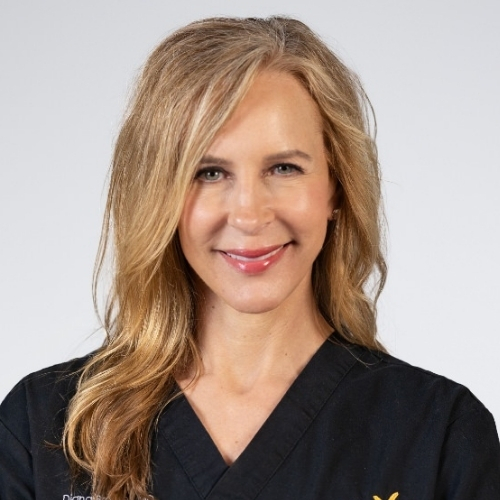
Plastic Surgeon
Practicing in a field that focuses on beauty and confidence for over 20 years, Dr. Diana Breister has become fluent in understanding the general self-image of women. Though she is skilled at several types of procedures, she is most known for her excellence in doing face and neck lifts, eyelid surgery, feminine rejuvenation, breast augmentation, breast lift, and tummy tucks. With a specialization in skin loss removal, she’s passionate about helping people who have lost weight become less self-conscious about the loose skin left over.