

Monique Ramsey gathers years of recovery answers into one guide that follows the whole arc — the mindset going in, the first hard days, and what healing actually feels like procedure by procedure.
Along the way the LJCSC surgeons and team get specific: why a breast augmentation under the muscle aches more than one placed over it, how long eyelid swelling really lasts, when it's safe to drive again, what a 360 liposuction recovery involves with drains and compression, and the clean-sheets-and-no-pets rule nobody thinks about until they're already home.
There's also the part people forget to plan for — where to stay those first nights, the lymphatic help that opens women's eyes the day after their drains come out, and one surgeon's answer to a golfer who wanted to hit balls two days post-op. (It's no.)
Links
Meet the San Diego plastic surgeons at La Jolla Cosmetic: La Jolla Cosmetic Surgery Centre
Learn more about surgery recovery and aftercare: recovery at La Jolla Cosmetic
Please request your free consultation online at https://www.ljcsc.com/ or call La Jolla Cosmetic Surgery Centre, San Diego, at (858) 452-1981 for more information.
Questions answered by this episode
- Why shouldn't you use ice after plastic surgery?
- How long does swelling last after eyelid surgery?
- Do you need someone to stay with you after outpatient surgery?
- What is recovery like after a breast augmentation under the muscle?
- When can you drive again after cosmetic surgery?
- How long before you can exercise again after surgery?
- What does recovery from a 360 liposuction or BBL involve?
- Why do surgeons use drains, and what happens when they come out?
- Can lymphatic massage help with swelling after a tummy tuck?
- How should you prepare your home before plastic surgery?
About this podcast
Learn from the talented plastic surgeons inside La Jolla Cosmetic Surgery Centre, the 12x winner of the San Diego's Best Union-Tribune Readers Poll, global winner of the 2020 MyFaceMyBody Best Cosmetic/Plastic Surgery Practice, and the 2025 winner of Best Cosmetic Surgery Group in San Diego Magazine's Best of San Diego Awards.
Join hostess Monique Ramsey as she takes you inside LJCSC, where dreams become real. Featuring the unique expertise of San Diego's most loved plastic surgeons, this podcast covers the latest trends in aesthetic surgery, including breast augmentation, breast implant removal, tummy tuck, mommy makeover, labiaplasty, facelifts and rhinoplasty.
La Jolla Cosmetic Surgery Centre is located just off the I-5 San Diego Freeway at 9850 Genesee Ave, Suite 130 in the Ximed building on the Scripps Memorial Hospital campus.
To learn more, go to LJCSC.com or follow the team on Instagram @LJCSC
Watch the LJCSC Dream Team on YouTube @LaJollaCosmeticSurgeryCentre
The La Jolla Cosmetic Surgery Podcast is a production of The Axis: theaxis.io
Theme music: Busy People, SOOP
Dr. Salazar (00:00):
The patient was asking maybe he was going to stay at the lodge and he wanted to hit some balls on day two or three after surgery.
Monique (00:09):
Really?
Dr. Salazar (00:09):
I said no, you can appreciate the technique of other golfers from the comfort of your room, but definitely do not go out.
Announcer (00:17):
You're listening to the La Jolla Cosmetic Podcast with Monique Ramsey.
Monique (00:23):
Here's the part that nobody really plans for, recovery. You spend months choosing a surgeon and picturing the result and then surgery day comes and goes and recovery is suddenly part of what you're living and often without a map. I'm Monique Ramsey and over the years, our surgeons and team at La Jolla Cosmetic Surgery Center have answered just about every recovery question there is. So I've put the best of it into one guide that follows the whole arc from the mindset going in to those first hard days to what your specific procedure feels like all the way to the little things that will make it easier. Whatever you're recovering from, there's something in here for you.
Dr. Salazar (01:09):
In general, you want to follow up that patient the next day or within the next two days. Make sure that everything's fine. Obviously what you want to make sure is not only that your operative site is okay, but that the patient is okay. The blood pressure, the heart rate, the breathing capacity, pretty much everything else, the pain level, et cetera. Then you want to see the patient the following week because things might show up the next week. And then you want to follow up as the healing continues at about two to three weeks and then some things in the management are also going to be discussed. Then you're going to see your patient at about either a month, a month and a half to see and check that there's no evidence of fluid accumulation, that the scar is doing what it needs to do. So the follow up, it's crucial that it's periodical, that it's performed by the surgical team, that the surgeon gets involved in as many encounters as possible.
Monique (02:21):
Are there any safety instructions that patients can absolutely not mess up that you really caution them about?
Jocelyn (02:29):
Number one, obviously making sure that you have a responsible adult over the age of 18 with you for the first 24 hours after surgery. Some people can really underestimate what anesthesia does to you. Anesthesia can make you really forgetful, can make you unbalanced sometimes. Sometimes your anesthesia messes with your stomach sometimes for some people. I mean, there are some people that wake up from anesthesia and it's like nothing happened, but still you need to make sure you have someone with you. It's very important.
Monique (03:04):
And rely on them.
Jocelyn (03:05):
And they need to know what's going on.
Monique (03:08):
So are there any hacks or tips that you can share that help maybe people either remember their instructions easier or just to help make the surgical journey and that post-op journey easier?
Jocelyn (03:22):
During the pre-op, we do give you, I mean, I use it as a shopping list. So everything I'm like, "Don't forget this. " I always write it down. Making sure you have everything on that little shopping list is definitely key. Being prepared. So kind of doing a run through before surgery of how you feel like the days after surgery are going to be. Usually it's keeping the head of the bed elevated. You need to sleep on your back. If you're a side sleeper, you can maybe sleep in either recliner or stuff some pillows on the side that you normally sleep on to help remind you. There's little things like that, but kind of thinking it through.
Monique (04:02):
So if you take one thing from that, it's this. Recovery isn't what happens after the surgery. It is the surgery, the second half of it, which brings us to the part that everybody asks about the first few days, what to do, what not to do. And the one thing you'll be so glad that you had ready.
Dr. Salazar (04:26):
Remember that in plastic surgery we're always stretching. We're always pulling. We're always making things tighter. We are generating pressure. Pressure and blood flow, I'm putting some pressure here for our audience that can see our podcast. I'm putting some pressure. And you can see that my blood flow to my hand, when I put some pressure, it's not great. It kind of starts going, it blanches, it goes white. So if you add ice to an area that already has some pressure or tension, then you're going to decrease the blood flow to that area. So even though it's fantastic to try to decrease the amount of volume, amount of fluid, the amount of blood that you have in that area, but for blood perfusion, for keeping the tissue alive, it's really bad. So every time that we're doing a breast lift, every time that we're doing a facelift, all that tissue, what we want is to be well perfused.
(05:26):
So we don't want any ice shutting down the small vessels and then killing that tissue because the tissue can die. The skin can turn black and then sloughs off and then you don't have skin in that area. The other thing is that as we all know, extreme temperature, either hot or cold, can burn your skin. You get a bad burn from having or holding ice in a certain area. But what tells you that it's creating or causing some damage is that it hurts. But after surgery, your sensation has changed at least temporarily. So you have quote unquote superpowers. You might not feel pain in that area, but at the same time, then you don't have that protection, the natural protection. And then if you just leave a bag of ice for 20, 30, 40 minutes in the same area, that can cause a bad burn to the skin in that area.
(06:22):
And then the same thing, skin dies. So those are the reasons why I would say applying ice. I mean, unless it was fully indicated by the surgeon and very specifically directed, it's not a good idea. Ice doesn't go very well with postoperative plastic surgery.
Monique (06:41):
So why do we want to keep our furry friends at a distance and what do we recommend in terms of what are okay things and what are not okay things with the animals?
Kayla (06:51):
Yeah. So I always ask patients if they have pets at home and you just never assume a cat or dog. You don't really know. I mean, you can have any sort of animal these days. So I always ask, do you have pets in the home? And they'll let me know they have a cat, dog, bird, rabbit, whatever. But it is so important to keep the sheets clean. So I tell patients like, don't wash them once, maybe wash them twice because the fur, you have incisions that just take a couple weeks to really seal and heal. And of course we have stereostrips covering the incisions, but sometimes those stereostrips get wet and sometimes they can fall off and be exposed. And although we're monitoring our patients closely, I really do think it's important for patients to make sure that their sheets are clean, that the clothes that they're going to be wearing, especially early on out of surgery, that they don't have any fur on them, that they have guests to come in or someone to help kind of walk the dog or change the litter box.
(07:55):
You just don't want to run the risk of any bacteria associated or coming near to the incisions or anything fresh from surgery.
Monique (08:04):
Tell me a little bit about why the support system is important when you're getting cosmetic surgery. And I'll start with Regina.
Regina (08:13):
Well, it's nice to know that somebody's backing what you want to do. And when you don't have that, if you have people discouraging you or saying, "Oh, maybe you shouldn't be doing this. Maybe it's wrong, it's too expensive or whatever." It's kind of a downer. But if you have that support and you know that person's going to be there and encouraging you to walk or encouraging you to watch what you're eating or maybe not have that last French fry or whatever it is, it's pretty amazing. And to know that you can depend on them if you're not feeling good or when you come home and they're there and they're watching you and they're making sure nothing bad is happening to you. It's really incredible to experience them.
Monique (08:53):
And Alexis, I'll have the same question for you about a support system.
Alexis (08:59):
I think having someone that you can kind of unload those negative feelings that you're feeling at the certain time because you're uncomfortable or you can't move very well right now and knowing that they're not going to hold it against you. Sometimes my mom and I, we swapped. She unloaded on me when it was her surgery and then I could unload on her because it is hard. The surgery, they give you that graph that shows how your feelings will be with the surgery. And I definitely was like, "That's not going to be me. I'm going to handle this. I've got this. " And I cannot tell you how accurate that graph was of you're going to get really low for a little bit and it's okay because then you're going to build yourself back up. But to have somebody when you're at that really low point of telling you it's okay, you don't feel good now, but you're going to feel better soon.
Monique (10:02):
Now every procedure has its own rhythm. Recovering from a breast augmentation doesn't look like recovering from a facelift. And a body procedure is a different timeline again. So here's the honest procedure by procedure version. Find the one that's yours.
Dr. Salazar (10:22):
When you have an implant, normally you don't have anything underneath your muscle. So if you put an implant that an implant gives volume, that's the main reason why you want that implant inside to give volume. But volume also occupies space and generates presure. So it'll be generating pressure on your chest and it's going to be generating presure on your muscle. And the muscle, it animates, the muscle reacts, the muscle contracts. So that's the reason why we say if you compare the immediate postoperative period between a patient that has an implant underneath the muscle and a patient that has it on top of the muscle, the patient that has it underneath the muscle will have more discomfort. We give the patients a muscle relaxant. So that helps with that contraction with that pulling. We also give patients a nerve ending pain controller, which is you've probably heard about gabapentin.
(11:17):
And that's like to take the edge of that acute sharp pain. Then on top of that, if patients have some additional pain, they can take Tylenol. Tylenol extra strength would also help. And then if that's not controlling, they always go home with a narcotic.
Monique (11:37):
When do you kind of tell them to expect to sort of be fully healed?
Dr. Salazar (11:43):
When can, I call fully recovery when I exercise. Okay, three weeks. What about when I can do all types of exercise after my surgery? Because after three weeks, what we do is let's start with cardio. Get back onto your rhythm. And then the following week, try some weights or some upper body exercise or whatever yoga pose requires you to do more effort with your upper body, with your torso. And if you feel like it's fine, keep on going. If you call fuller recovery, whenever I'm not even going to notice my implants or something, then you probably are talking about two to three months for your brain to integrate all that information.
Monique (12:24):
So following the directions in your little pre-op booklet and listening to your doctor and your nurse, then if you follow that most 95, 99% of the time people are in great shape.
Dr. Riedler (12:38):
So if you're undergoing only upper blepharoplasty or lower blepharoplasty, because there's both upper eyelid surgery and lower eyelid surgery, if you're having one of those surgeries, you can expect to be under anesthesia for about an hour and a half. Patients are typically very comfortable when they wake up in recovery and our recovery nurses always make sure that they're comfortable and pain-free. And then during the first 24 hours or even over the first few days, patients don't have a whole lot of pain. Usually their kind of maximum pain level is maybe like a three out of 10, which isn't too bad. It's more like discomfort, swelling, bruising, some pressure. Those are the main kind of symptoms during recovery, but it's really not that painful. The most important things really to do are to keep your head elevated, to reduce the bruising and swelling, to not be really active or do anything that's going to make your blood pressure jump up because we want you to heal as well as possible and as quickly as possible.
(13:42):
The eyelids get pretty swollen. I'm not going to lie.
Monique (13:44):
Okay.
Dr. Riedler (13:46):
I wouldn't say that they're swollen shut, but they are. I mean, they're pretty swollen. So definitely you don't have your full field of vision for at least several days because of the swelling. So there are sutures on the outside. They'll stay for about a week. And then I don't put any bandages or wraps around the eyes or anything like that, but usually I'll put a few little Steri-Strip tapes next to the eyelid or under the eyelid and those just stay there for a few days until they fall off. Bruising and swelling both kind of peak around two or three days after surgery. And I would say the bruising typically lasts about 10 to 14 days. The swelling lasts a little bit longer. So the majority of the swelling goes away within two to four weeks after surgery, but it really takes at least six months for all of the swelling to go away.
(14:33):
And you can put makeup on your face away from the incisions at about a week, but you can put it on the incisions or around the eye area itself at two weeks after surgery.
Monique (14:46):
Okay. So a couple weeks. That makes sense.
Dr. Riedler (14:48):
You can drive as long as you're not taking narcotic pain medications and you can see clearly. So usually that's about five to 10 days after surgery. You can go back to the gym and vigorous exercise at about three to four weeks, but it's kind of a gradual getting back to activities.
Monique (15:07):
So we want everybody to feel really prepared for that facelift and that recovery process and really that what does that life after through the recovery look like? And so everybody feels like, oh, okay, it's maybe not as bad as I'm thinking it might be.
Dr. Breister (15:25):
We do tell them that we are going to be there for them through every step of the way, through the swelling, through the bruising,
Monique (15:34):
The paranoia.
Dr. Breister (15:35):
Through the emotional ups and downs. Exactly.
Monique (15:36):
Because I think there is that for even if it's a 24-hour phase, if you're the one going through it where you're feeling like, oh my God, what have I done? Everybody goes through that. And it doesn't matter whether you're having a tummy tuck or you're having your face done. Everybody has that kind of like, what have I done to myself? And I walked in willingly.
Dr. Breister (15:58):
It's normal. It's totally normal. It's an elective surgery. Now what did I do? Is this going to heal up properly? So yeah, we are there reassuring, helping people get through those phases. And the phase can last more than a day. It can sometimes last a week or two, just depending on the person's level of anxiety and things like that. Everyone is a little bit different. So we just kind of try to manage that as we see as the patient needs it. If we need to see them more in the office, if I need to give them my cell phone and say, "Hey, give me a call. Send me a picture if you're worried about this or that. " I find that that's very effective. I find that the best way to manage that is being available to people, knowing that they're not alone, knowing that they've got a whole team of providers that are there.
Monique (16:49):
Yeah, I think that we all go in thinking it's going to be a certain way and whatever that internal brain plan is, isn't always what is happening.
Dr. Swistun (17:00):
If we're talking about a 360 liposuction, that is a major transformation that usually entails liposuction of the entire trunk. And sometimes we add arms to that, sometimes thighs and sometimes we do fat grafting, classically a BBL, a Brazilian butt lift liposuction of the entire trunk and fat transfer to the buttocks, sometimes even the breasts. So the take home point is that this is a major transformation. So there is going to be a pretty involved recovery process associated with that, not just physically and physiologically from the surgery, but also emotionally. So after the surgery is done, I typically do use drains for these patients. Typically, there's a drain in the front and a drain in the back. And then we put on a garment, basically a gentle compression garment and some padding of gauzes in certain areas just to catch any fluid that may be sort of seeping out early on.
(17:50):
And then we transfer the patient after they get extubated and then woken up from anesthesia, they get transferred over to the gurney and we transfer them to recovery. And then we take all the time we need in order to make sure that they're comfortable before they go home. The intent of the garments that we put on patients is just so that they heal without any major fluid collections. We need a little bit of compression to control the swelling. But in addition to that, if you think about it, we are doing major liposuction. So we are basically removing the fat layer between the skin and the muscle sort of all around the torso. So there's an empty space in there where that fat used to be and that needs to adhere back down to the ties. Drains typically come out one or two weeks afterwards and then we really adjust on the compression and the patient's activity level to let the rest of the healing take place.
(18:38):
After three weeks of twenty four seven compression, we basically can ease off and say like, "Well, now you can just wear the garment only when you're active, but you don't have to wear it 24 hours a day." Most patients are still more comfortable with the garment on for much longer than three weeks.
Monique (18:54):
Now the lipo incisions are pretty small, right?
Dr. Swistun (18:57):
Yeah, the cannula is about four millimeters, the ones that I use. So technically the incision is about four to five millimeters, which is like -
Monique (19:06):
Tiny.
Dr. Swistun (19:07):
This long. And then we close it with deep stitches. So that typically it looks like a little line, a fine line.
Monique (19:15):
Where are they really going to see what you would call their final result? How long does that take?
Dr. Swistun (19:20):
Yeah, I would say about six months is they're close to their final result. They're like 95% there. And at that point, everybody's healed and back to regular activity.
Monique (19:29):
Let's say you had a lower body lift. How long does it take for people to feel like they look normal? And I'm sure everybody's definition of normal is different, but let's say to be able to go out and walk around the mall or could they do that within a week or two?
Dr. Brahme (19:49):
Not within a week or two. I think that's really optimistic. I would say that you can maybe consider after one of these big procedures going to a movie at maybe two weeks, better count more on four to six weeks. At that time, you can go to the gym, you can start lightly with exercise. But again, everybody's a little different. The incisions are definitely healed by two or three weeks. So you can't sort of stretch and reopen them. Prior to that, if you have a fall or a slip or something like that, you can split open, but that's really unusual. But by three weeks you're pretty well healed. Now the scar isn't matured because it takes really several years for the scars to sort of be what they're going to be forever. Scars and fine wine are things that improve with time.
Monique (20:53):
I like that. What kinds of things do you do to help people in that first, let's say, two weeks of recovery?
Dr. Brahme (21:02):
We have a lot of creams for the skin. Arnica gel that we use for the bruises and obviously pain medication, anxiety medications if people need that. And also compressive garments, which really help with comfort management because when things are sort of loose and jiggling, it's much more uncomfortable. People feel safe having an external garment and we have everybody wear those for at least six weeks. And some people come in at three months and they're still wearing them because they just feel more comfortable in them.
Monique (21:42):
Okay. So what are some things that patients have said to you about their results and how a labioplasty has changed their life?
Dr. Breister (21:51):
I think the greatest thing that I see is just this overall sense of wellbeing and confidence. The good thing about the labioplasty is that it heals very relatively quickly. So once they've gone through it, I do a very good job of prepping them for what to expect in those first 48 to 72 hours. I'm very strict about them not doing much for three days in a row and icing it literally as much as they humanly can because it's so critical in helping those tissues heal and prevent swelling. So I warn them and prep them. Things are going to be swollen. They're going to be bruised. Just try not to look. When I think they're prepped for that, they know what to expect. And after about three days, four days, things are settling down and I think they can see the potential of what the result's going to be.
(22:48):
Immediately they're thrilled because they're like, "Oh my gosh, swelling, but I'm still so happy because it's such a change already." So the emotional highs and lows do exist, but not to the extent of other procedures that take longer times to see results. We usually give it three or four days before we need to see them because we want them staying home, relaxing, putting the ice on it. We are always available via phone. They can call us anytime if there's a question. By four to six weeks, they're looking quite good, probably to 75 to 80% of the final result. By three to four months is 100% all the swelling's gone. Any scar tissue has softened and that's usually when it's 100% on target.
Monique (23:39):
And here's what a lot of people don't realize until they're in it. You don't have to white knuckle recovery alone. There's real help for the swelling, for where you stay those first few nights, for the scars down the road. These are the things that our patients tell us they wish they'd known about sooner.
Kathleen Lisson (24:00):
For the tummy tuck, Dr. Swistun sometimes wants people to come in with their drains still in. So I will do that if the surgeon's like, yes, it's okay that you still have drains. But if not, I really like to see people either the day before, the day after their drains are out, and especially the day after because the drain is taking that interstitial fluid away and putting it into the drain. That's the point of the drain. So once you take the drains out, your lymphatic system is up to bat in the major leagues. And it's the only thing that is pulling that fluid in. So to have a little bit of help, often that's when their eyes are open. They're like, "Oh my gosh, I'm so much more swollen than I was the day before I got my drains out. " And I was like, "Yep." Because that's when there's no more helper.
(24:48):
There's no more training wheels on the bike. You're just riding the tour de France by yourself. So that's it. Brazilian butt lifts because of the liposuction, four to five days. And then anything like body lifts can be more like two weeks. I really want you to have, if it's a big, big surgery, I want you to have one visit with the surgeon so they can tell that you're doing all right, that everything looks fine.
Monique (25:14):
The Lodge at Torrey Pines, what makes you love this hotel for patients nearby?
Dr. Salazar (25:21):
So that property is the second closest to our facilities and they accommodate so, so well for patients. They have this dedicated recovery rooms so you don't have to check through the front desk. The rooms that they can adapt for the recovery of patients, they go from their basic room up to a very large corner, beautiful suite with a great golf course and ocean view. So if you want to just open your windows and then get that nice ocean breeze and then just listen to some of the golfers and watch them hit some balls because that's important. Watch them hit some balls. Don't hit the balls. Literally yesterday. Yesterday we had a patient that we are going to perform surgery on next week and patient was asking maybe he was going to stay at the Lodge and he wanted to hit some balls on day two or three after surgery.
Dr. Riedler (26:22):
Really?
Dr. Salazar (26:22):
I said, "No, you can appreciate the technique of other golfers from the comfort of your room, but definitely do not go out. "
Monique (26:30):
Let's say in the plastic surgery world for patients, what are the common types of medical tattoo that you would do?
Vanessa Dougherty (26:42):
So I do a ton of facelift scars, a ton of breastlift scars, tummy tuck scars. And I do a lot of hypopigmentation. So people that have been damaged by laser. So yeah, this is a good example of a hypopigmentation. So we were able to color match her skin really well and get great results with that. I think that's two sessions. So yeah, she's thrilled.
Monique (27:07):
That's amazing.
Vanessa Dougherty (27:08):
And then even just like the tattooing process is kind of like microneedling. So her skin even looks like smoother after the treatment. Yeah. Which I thought was a cool side effect.
Monique (27:16):
Rejuvenation. Yeah, it's a cool side effect. That is beautiful. You were talking about matching the pigment precisely to the skin. Do you see that as more of an art or a science to getting that perfect color for that patient?
Vanessa Dougherty (27:31):
I feel like tattooing, especially... I mean, I think all taoing is art and science mixed together, but especially restorative tattooing because it is so technical and there is so much chemistry involved and technical aspects involved, but it is also an art in that you have to be able to see color. And the more you look at pigments and matching pigments, the more you can see it. So practice really does make perfect in this case because if I was to hold up some skin tones, people would be like, "Well, they all look beige." But I can see this one has a purple, this one has a green, this one has a yellow, this one has, you know what I'm saying? And that just is a trained eye that looks at it and looks at it and looks at it all the time.
Monique (28:16):
Switching over to sort of the emotional aspect, what kinds of emotions do clients bring into your space after surgery and where are they? And then how does that scar camouflage that you're doing help their self-esteem after?
Vanessa Dougherty (28:30):
When it comes to mastectomy work, that we do a lot of mastectomy work, I would say people just want to put it all behind them. It's a traumatic experience going through something like breast cancer and mastectomy. And a lot of times they've had multiple surgeries and they're just so done with it all. But every time they get out of the shower and pass the mirror, it's a reminder constantly that they went through that. It's like an open wound that never can heal. And so when we put their areolas back on, they're like, "I can just move on from this now. I can finally be complete. I can finally put this behind me. "
Monique (29:07):
Wow.
Vanessa Dougherty (29:07):
Yeah. So that's really powerful.
Monique (29:09):
If you're listening, you got to switch over. But yeah, wow, beautiful.
Vanessa Dougherty (29:12):
Thank you.
Monique (29:13):
Absolutely beautiful. And I can't believe that what I'm looking at is flat. It's flat, right?
Vanessa Dougherty (29:20):
Yeah.
Monique (29:21):
That's insane. Oh my gosh. Incredible.
Vanessa Dougherty (29:24):
Thank you.
Monique (29:26):
Yeah. And it would. I think there's no way that that person isn't completely changed after that.
Vanessa Dougherty (29:36):
100%.
Monique (29:40):
So that's recovery. Start to finish the mindset, the first days, your procedure and the thing that will help smooth the whole thing out. If there's a headline, it's this, the patients who recover best are the ones who took recovery as seriously as they took the surgery itself. Be that patient. And if you've got questions before your surgery, we're always here to talk. I'm Monique Ramsey. Take care of yourself and I'll see you next time.
Announcer (30:11):
Take a screenshot of this podcast episode with your phone and show it at your consultation or appointment or mention the promo code PODCAST to receive $25 off any service or product of $50 or more at La Jolla Cosmetic. La Jolla Cosmetic is located just off the I - 5 San Diego Freeway in the XiMed building on the Scripps Memorial Hospital campus. To learn more, go to ljcsc.com or follow the team on Instagram @LJCSC. The La Jolla Cosmetic Podcast is a production of The Axis, T-H-E-A-X-I-S.io.
Plastic Surgeon
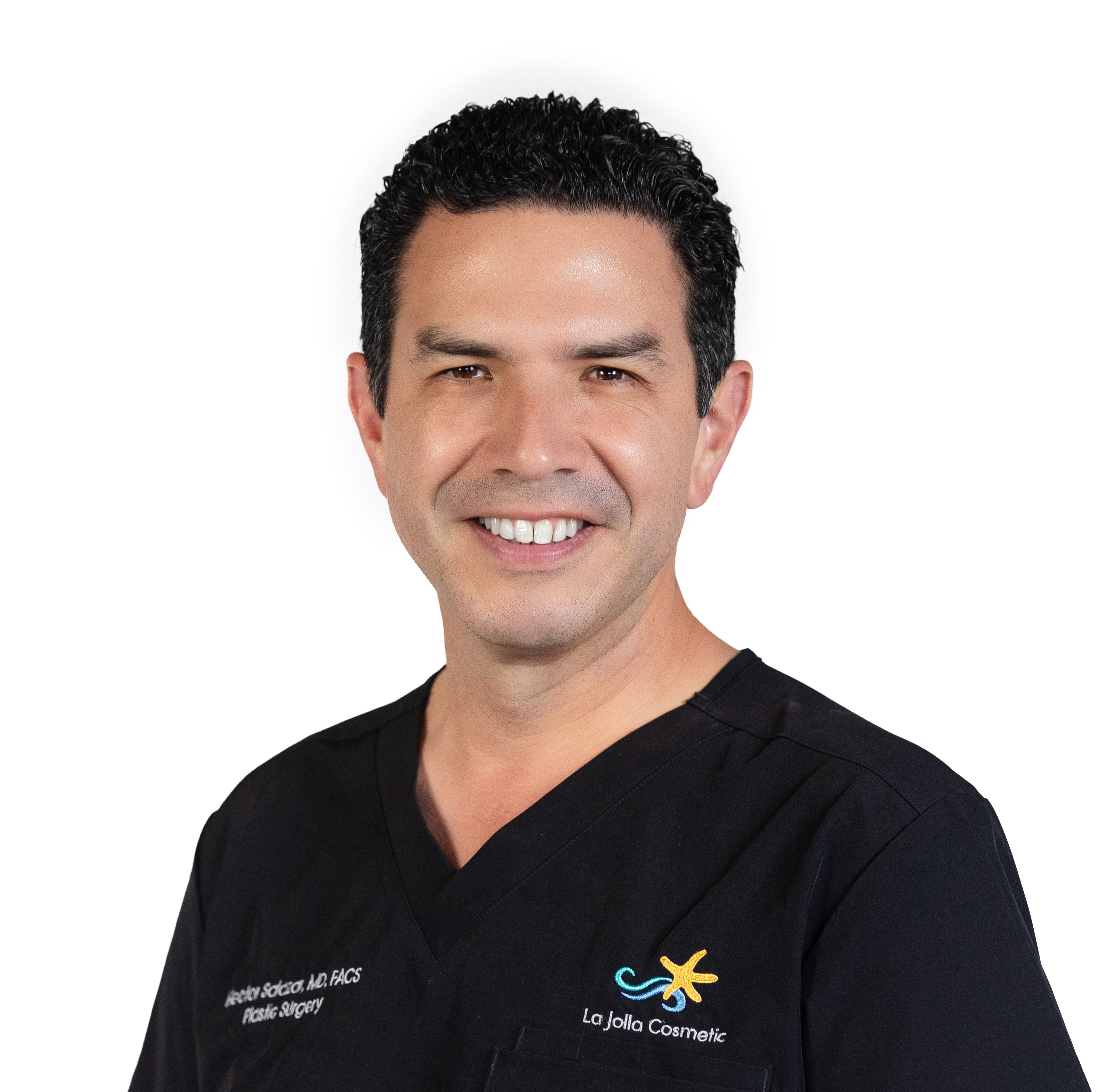
Having dedicated 17 years of his life to achieve the best medical training, Dr. Salazar’s philosophy is centered around providing beautiful results safely and ensuring each and every patient feels well cared for from their first appointment to their last.
In addition to being an American Board Certified Plastic Surgeon, Dr. Salazar is a member of the American Society for Aesthetic Plastic Surgery (ASAPS), a prestigious organization that is highly selective with its membership. Only plastic surgeons who demonstrate a high level of skill, experience, and expertise in aesthetic plastic surgery and cosmetic medicine are inducted into ASAPS.
Dr. Salazar is also a Fellow of the American College of Surgeons, an active member American Society of Plastic Surgeons, American Board of Plastic Surgery Maintenance of Certification Program, California Society of Plastic Surgeons, San Diego Plastic Surgery Society and the American Medical Association.
Plastic Surgeon
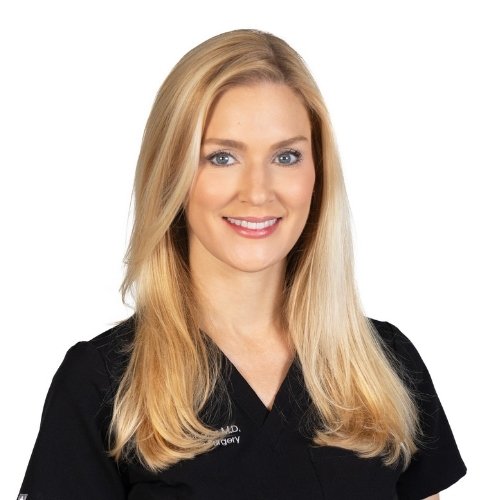
Dr. Kiersten Riedler was born and raised in San Diego and graduated from Harvard University with honors in neurobiology and a foreign language citation in Spanish. She earned her medical degree from the University of Southern California Keck School of Medicine, where she also completed a 5-year residency program in otolaryngology – head and neck surgery. At USC, much of her training took place at LAC+USC Medical Center, also known as LA County Hospital, where she predominantly cared for underserved, Spanish-speaking patients.
Dr. Riedler is fluent in written and spoken Spanish and became a certified medical interpreter at LAC+USC Medical Center. After residency, she completed a one-year fellowship in facial plastic and reconstructive surgery in Beverly Hills.
Plastic Surgeon
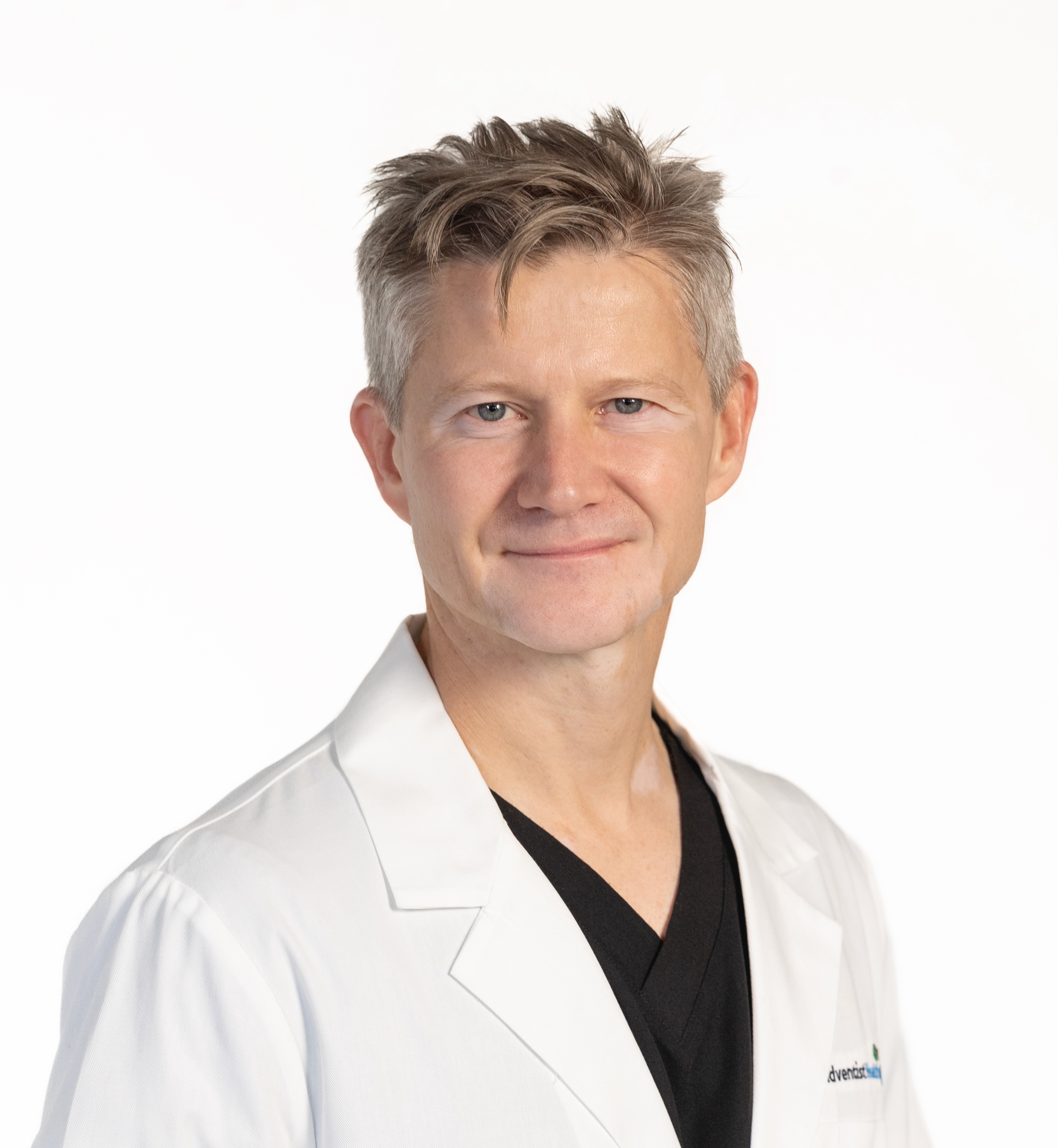
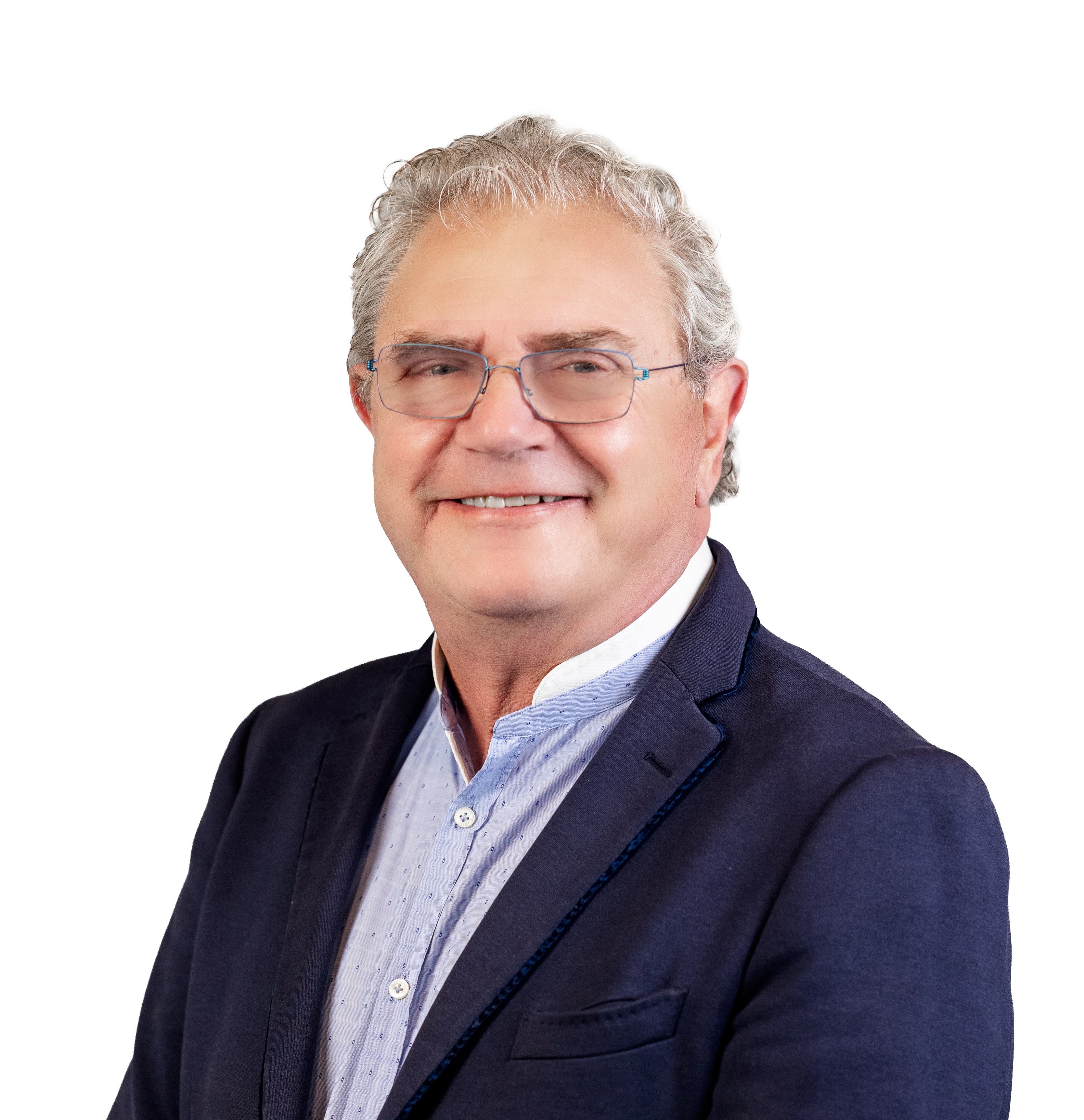
Dr. Luke Swistun is a board-certified plastic surgeon with a background in visual arts and medical military service. He’s known for his artistic approach to plastic surgery and for the close, supportive relationship he forms with every person he treats.
As a plastic surgeon, Dr. Swistun has years of general surgery and plastic surgery training. He attended medical school at the University of Illinois. He completed his general surgical training while in the navy and continued his Plastic and Reconstructive training at the University of Utah. After serving as a naval medical officer and deploying with the U.S. Marines during active conflicts, he completed his general surgery training, and subsequently focused on pursuing what he truly felt is his calling: reconstructive and plastic surgery.
Plastic Surgeon
Dr. Johan Brahme is a board certified plastic surgeon with a reputation for his kind bedside manner, commitment to safety, and beautiful results.
Dr. Brahme’s philosophy in patient care is essentially the application of the Golden Rule… to care for every single patient the way he would want his own family to be treated. His team makes you the center of your plastic surgery experience. It is about your body, your life, your desires, and your decisions.

Lymphedema Therapist / Author
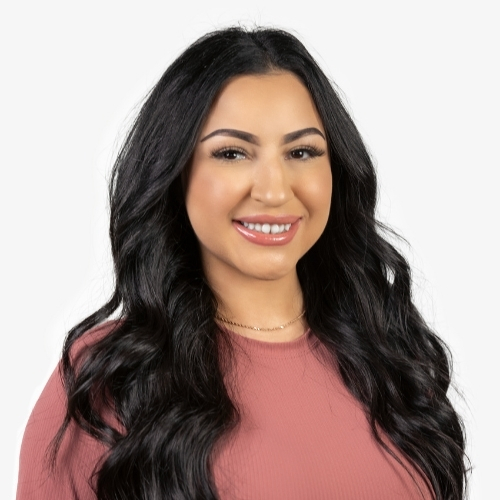
Kathleen Lisson is a certified lymphedema therapist, therapeutic massage and bodywork therapist, author of Plastic Surgery Recovery Handbook, and the owner of Solace Massage and Mindfulness in San Diego.
Kathleen holds a Bachelors of Applied Science degree in massage therapy, but her training certifications do not end there. She is also a Natural Healing Institute of Naturopathy certified master aromatherapist, Mclean Meditation Institute certified meditation teacher, and an ACE-certified personal trainer.
Plastic Surgeon
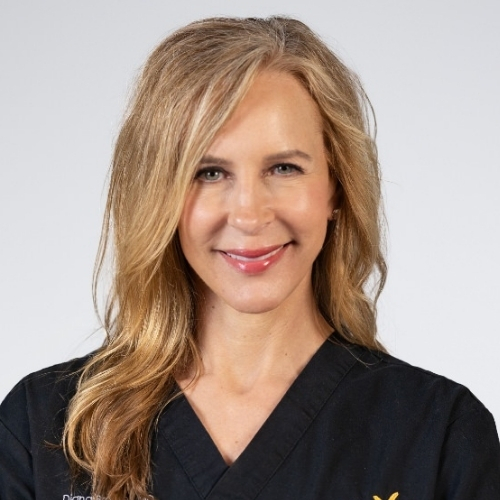
Practicing in a field that focuses on beauty and confidence for over 20 years, Dr. Diana Breister has become fluent in understanding the general self-image of women. Though she is skilled at several types of procedures, she is most known for her excellence in doing face and neck lifts, eyelid surgery, feminine rejuvenation, breast augmentation, breast lift, and tummy tucks. With a specialization in skin loss removal, she’s passionate about helping people who have lost weight become less self-conscious about the loose skin left over.

Plastic Surgery Clinical Nurse
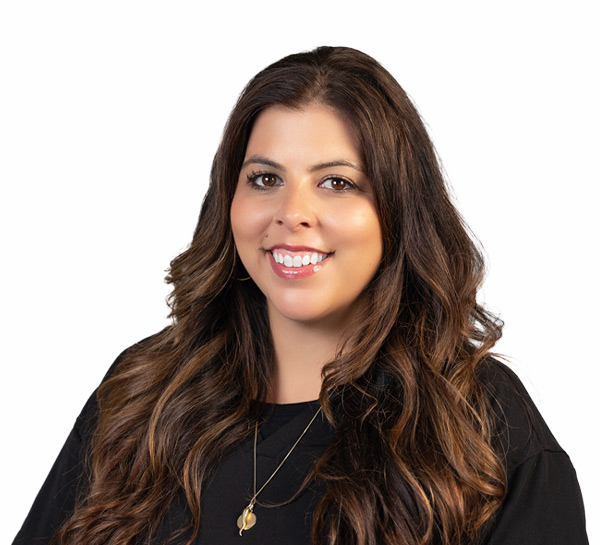
Jocelyn is a dedicated nurse with over 16 years of experience, specializing in outpatient surgery where fast-paced care meets meaningful patient connections. Her love for people, sports, and laughter shines through in every patient interaction, making everyone feel cared for and at ease.