


The number on the scale went down, so why does everything still feel soft, loose, and unfinished? Monique Ramsey curates the best moments from conversations with the LJCSC team to answer the question that lands in consultations almost every day.
Janelle Robinson, who leads the practice and has used the medication herself, explains who's actually showing up for the medical weight loss program at LJCSC — and it's not people with 50 pounds to lose.
Dr. Gerald Haas educates us about what the medical literature actually says versus what TikTok is selling.
Dr. Hector Salazar lays out the tummy tuck decision framework — four separate benefits that stack on top of each other, and why a perfect candidate earns a spot in the textbook.
Dr. Luke Swistun adds the 360 lipo argument: why three positions instead of two, and what the back's adherent zones actually explain about those mid-back rolls.
Dr. Johan Brahme addresses the sequencing question — why the abdomen almost always comes first when someone needs multiple areas done.
Dr. Salazar has a phrase for the moment a candidate checks every box: they'd be "figure 1A" of a textbook chapter on tummy tucks. If you've heard something like that from your own surgeon, this episode explains exactly what they mean.
Links
Meet San Diego plastic surgeon Dr. Hector Salazar-Reyes
Meet San Diego plastic surgeon Dr. Luke Swistun
Meet San Diego plastic surgeon Dr. Johan Brahme
Learn more about liposuction in San Diego
Learn more about tummy tuck in San Diego
Please request your free consultation online at https://www.ljcsc.com/ or call La Jolla Cosmetic Surgery Centre, San Diego, at (858) 452-1981 for more information.
Questions answered by this episode
- What happens to your skin after losing a lot of weight on GLP-1 medications?
- Is liposuction enough after major weight loss, or do I need a tummy tuck?
- What is 360 liposuction and why do surgeons do it in three positions?
- What are the benefits of a tummy tuck beyond just removing extra skin?
- Can liposuction make loose skin look worse?
- What causes the mid-back rolls that don't go away with weight loss?
- What is muscle diastasis and how does a tummy tuck fix it?
- What is a belt lipectomy and who needs it?
- How long does recovery take after 360 liposuction?
- What order should I do procedures in if I need liposuction and a tummy tuck?
About this podcast
Learn from the talented plastic surgeons inside La Jolla Cosmetic Surgery Centre, the 12x winner of the San Diego’s Best Union-Tribune Readers Poll, global winner of the 2020 MyFaceMyBody Best Cosmetic/Plastic Surgery Practice, and the 2025 winner of Best Cosmetic Surgery Group in San Diego Magazine’s Best of San Diego Awards.
Join hostess Monique Ramsey as she takes you inside LJCSC, where dreams become real. Featuring the unique expertise of San Diego’s most loved plastic surgeons, this podcast covers the latest trends in aesthetic surgery, including breast augmentation, breast implant removal, tummy tuck, mommy makeover, labiaplasty, facelifts and rhinoplasty.
La Jolla Cosmetic Surgery Centre is located just off the I-5 San Diego Freeway at 9850 Genesee Ave, Suite 130 in the Ximed building on the Scripps Memorial Hospital campus.
To learn more, go to LJCSC.com or follow the team on Instagram @LJCSC
Watch the LJCSC Dream Team on YouTube @LaJollaCosmeticSurgeryCentre
The La Jolla Cosmetic Surgery Podcast is a production of The Axis: theaxis.io
Theme music: Busy People, SOOP
Dr. Swistun (00:00):
The individuals that do the 360 liposuction in the three positions do get better results. It does take more time, takes a litle bit more effort, but they do get better results in the end. Why would you not optimize the result? Why would you not take the extra little efforts to make it the best it can be?
Announcer (00:15):
You're listening to The La Jolla Cosmetic Podcast with Monique Ramsey.
Monique Ramsey (00:21):
If you've lost a lot of weight on one of the GLP-1 medications, the weight loss shots everyone's talking about, first, congratulations. It's hard and you did it. But a lot of you are finding out that the number on the scale went down but something else might have come up. Loose skin, a deflated look, areas that just won't firm up no matter what you do. I'm Monique Ramsey and over the last couple years, our surgeons at La Jolla Cosmetic Surgery Center have answered just about every question there is about what comes next. Today, I've pulled the best of those conversations into one place so we'll talk about what the weight loss leaves behind and exactly what can be done about it. Being in charge of everything there at the surgery center, you're in on a lot of the decision making. And so how has your personal experience using the skinny shot helped you decide on how to work with this program for our patients and how you make decisions about it?
Janelle Robinson (01:23):
Yeah, it has. I mean, it definitely has because I can understand what the patient is looking for and being 46 years old and having your metabolism change as you get older and that's I think a big portion of the patients that we're having come to us are women in their 40s or 50s going through menopause and really having their metabolism come to a screeching halt and struggle with it. And that's a big portion of our patients. And what's also interesting too is I'm finding a lot of people are just like me. There's a lot of patients who really aren't coming that have a lot to lose. They're just looking for those last 10 to 20 pounds. And sure, we've had some people that have had an upward of 40 or 50 pounds to lose, but it's just I think reaffirming to what my experience is seeing, who is coming and contacting us, but also us developing messaging and things based on what I know is huge.
(02:40):
And it's really like who doesn't want to just be able to resist some of those temptations? Or even if you can do it on your own, could I do it on my own? Absolutely. And I think a lot of these people could, but the reason why people fall off so easily is because it's hard.
Dr. Haas (02:58):
We've learned along the way, we're 18 months in now and I'm constantly reviewing the medical literature and what's coming out on a daily basis about GLP-1s and staying current and up to date with that and also listening to social media and what's out there and what people are saying and what's true and what's not. And we really try to sort through what people are hearing on TikTok versus what's in the New England Journal of Medicine.
Monique Ramsey (03:32):
So the medication does its job and the weight comes off, but these drugs work fast and they don't know the difference between the fat you wanted gone and the things you wanted to keep. When you lose weight that quickly, your skin doesn't always bounce back and the fullness that made you look like you can go right along with it.
Dr. Brahme (03:54):
When you do the abdominal and sometimes the flank in the back surgery, they will lose weight after that. So they may lose another 10, 15, 20 pounds, which changes the face, which changes the breast, which changes the thighs and the arms and everything. So I usually like to start with the abdomen.
Monique Ramsey (04:16):
So if we talk about the midsection and there's extended tummy tucks, but did that only maybe wraps around to the flanks and I've heard the term belt lipectomy. Is that just like all the way around?
Dr. Brahme (04:30):
A belt is all the way around, just like the name suggests. It's a belt that goes all the way around and that's really for people who have lost a lot of weight and it tends to heal very well. We could keep the scar nice and low and it's a very good procedure. It takes about two weeks or so to really start the recovery from that. And by four to six weeks, you can usually do pretty much anything you want.
Monique Ramsey (05:02):
Okay, that's the problem. Now the good news, a lot of what weight loss leaves behind can be smoothed, tightened, and recontoured, and usually starts with liposuction, but this is not the lipo you're picturing from 20 years ago. It has changed more in the last five years than most people realize.
Dr. Salazar (05:23):
Part of the concept is that you have a deep fat compartment and a superficial fat compartment. Everything on top of the muscle, we're not talking about, when I say deep fat, we're not talking about the fat that's inside where the organs live. But basically what you're doing is, yeah, you're correct. You start with, let's say, doing traditional liposuction, which is mainly, as you're saying, the bulking, removing the deep fat from that deep fat compartment. And then you go into the superficial fat compartment and then you start the second part, which as you are correctly pointing out, is the artistic part in which you're now defining and emptying the superficial fat compartment in certain areas. And then in other areas, what you're doing is you know exactly where the end of the muscle is and then you're doing some edging there. When we mark the patients before we go to surgery, and I always tell the patients this, it is not that we are creating any new anatomy for them, we are reflecting their true anatomy.
Dr. Swistun (06:27):
Awake lipo is basically just that is that you're having the procedure of liposuction, but you're not under general anesthesia. You're actually in some sort of a twilight state usually and depending on the extent of the liposuction, the twilight state can vary and can be adjusted to that. But that's the big distinction is that it does not involve general anesthesia. When we talk about limitations of awake liposuction, that's literally the same concept is that at some point the liposuction procedure is going to be too big for us to be able to use the local medications available to us. We're just going to run out of room. Basically the procedure requires more than that and the patient's just not going to be comfortable. So the biggest danger to me of doing awake liposuction for somebody who's committing to awake liposuction and wants a very extensive result is that we're not going to be able to finish the surgery because they may get uncomfortable or we may run out of the amount of medication we can give the patient to keep them comfortable.
(07:28):
That's actually kind of the biggest obstacle for me. Some patients do come in and ask for a lot of liposuction and they ask, "Can we do it awake?" And if you ask for a lot of liposuction, obviously we use numbing medication in the tumescent and the fluid that we inject under the skin in order to do the liposuction and there's a maximum dose that's calculated based on their weight. The individuals that do the 360 liposuction in the three positions do get better results. It does take more time, takes a litle bit more effort, but they do get better results in the end, at least in my observation. And this is why I've adapted my technique to that. Most specifically, I worked with Dr. William Rahal for a while. He was actually just finished his training and he was ranting. He wasn't actually a part of the fellowship, but he was also working out of that same facility that I was training at.
(08:16):
So we got together and talked a little bit. He invited me to the operating room and showed me a few times how he does it and he was one of those three position, 360 lipo surgeons and we talked about the logic behind it, which makes all the sense to me in the world. And I asked him literally that question going back to that moment. It's like, "Why do you do it in three positions rather than two of these other guys do it in two positions?" It's like, "Well, because that's how the masters do it. And that's how you can get that best result. That's how you can get the best access to that waste because ultimately that's what the patients want. That's what they're paying for. " And then if you consider everything else, the patient's already going through this entire experience of surgery. They're taking the risk of having surgery.
(08:55):
They're taking the time off to recover. They're taking the financial hit on getting that result for themselves. Why would you not optimize the result? Why would you not take the extra little efforts to make it the best it can be? There are certain things that sort of change as we gain weight throughout our bodies, specifically towards the back. There are adherence zones. Basically there are areas in the back that your body naturally has a connection between the skin and the muscle. And that's what everybody thinks of as that role that develops in the mid back area, the back posterior, outer posterior mid back area. And if you are very slim, you just don't see that because there's not fat above or below that and that adherent zone is tight against the muscle just like everything else around it, just like the skin around it. But if people gain weight, if patients gain weight, then the fat kind of collects above that adherent zone and below that adherent zone.
(09:52):
And it really starts defining that adherent zone as a role, as a tight spot with rolls above and below that. So that's sort of the ideology of it. Typically, it's not the only area patients complain about, but it's certainly one of those things that they hate.
Monique Ramsey (10:07):
Here's the part people skip. Liposuction takes away fat, but it does not take away skin. So if you've lost a lot of weight and you've got loose skin that's just hanging on, lipo by itself can actually make that look worse. That's where the conversation turns to something bigger.
Dr. Salazar (10:27):
Liposuction making things worse would be if you already have extra skin and then you remove more fat. So you're going to have looser skin. If skin is already hanging, the skin is going to hang more because the skin is going to be hanging for a reason. And the reason is that it did not snap back from whatever event, pregnancy, weight gain, et cetera. So if you do liposuction, you're going to make it worse. A tummy tug will get rid of all the extra skin, number one. If the patient has multiple stream or stretch marks, the tummy tu will get rid of most of them. So you have a second benefit there.
Monique Ramsey (11:09):
That's nice. Yeah.
Dr. Salazar (11:10):
Another one is if there is some skin hooding above the belly button above the umbilicus, a tummy tuck will resolve that. Then if a patient has separation of the muscles, muscle diastasis, meaning the fascia has stretched and you need to repair it, then the patient will benefit from a tummy tuck. When you see all those stars lining up and the patient's there, that's when a patient hears from me saying, "Well, if I were writing a book chapter on tummy tucks, I would ask your permission to be figure 1A when you have that first picture, the perfect candidate for a tummy tuck. Why? Because you get all the different benefits about it.
Monique Ramsey (12:07):
Whichever route turns out to be right for you, the question everyone asks is the same one. What is recovery actually like? Here's the honest version.
Dr. Swistun (12:19):
We are doing major liposuction. So we are basically removing the fat layer between the skin and the muscle sort of all around the torso. So there is an empty space in there where that fat used to be and that needs to adhere back down to the tissues. And I accomplish that with the use of drains, which actively remove any oozing from those raw surface areas and basically evacuate that fluid immediately so that the skin and the muscle are together so they can heal. But in addition to that, we use compression, basically just keeping that tissue, the skin compressed against the muscle wall so that the healing takes place. Drains also take care of the swelling more to some extent. The compression garments also do that so that it's a combination of all these factors that contributes to the final result. It really takes about three weeks for that tissue to really seal up.
(13:09):
And in my experience before you're sort of off the hook for like a fluid collection under the skin. The drains don't usually stay in that long, but we do tell patients to just take it easy and don't do too much. Don't raise their heart rate, their blood pressure with even longer walks or things like that, just so that fluid loss or oozing in those raw areas is down to a minimum. Drains typically come out one or two weeks afterwards and then we really rely adjust on the compression and the patient's activity level to let the rest of the healing take place. After three weeks of twenty four seven compression, we basically can ease off and say like, " Well, now you can just wear the garment only when you're active, but you don't have to wear it 24 hours a day. "Most patients are still more comfortable with the garment on for much longer than three weeks and that's a preference thing.
Monique Ramsey (14:01):
So that's the whole picture. The weight loss is the start, not the finish line, and there's a real plan for what it left behind. If any of this sounded like you, the best next step is a conversation with one of our surgeons who can look at where you are and tell you honestly what would actually help. Thanks for being here. I'm Monique Ramsey and I'll see you next time.
Announcer (14:27):
Take a screenshot of this podcast episode with your phone and show it at your consultation or appointment or mention the promo code PODCAST to receive $25 off any service or product of $50 or more at La Jolla Cosmetic. La Jolla Cosmetic is located just off the I- 5 San Diego Freeway in the XiMed building on the Scripps Memorial Hospital campus. To learn more, go to ljcsc.com or follow the team on Instagram @LJCSC. The La Jolla Cosmetic Podcast is a production of The Axis, T-H-E-A-X-I-S.io.
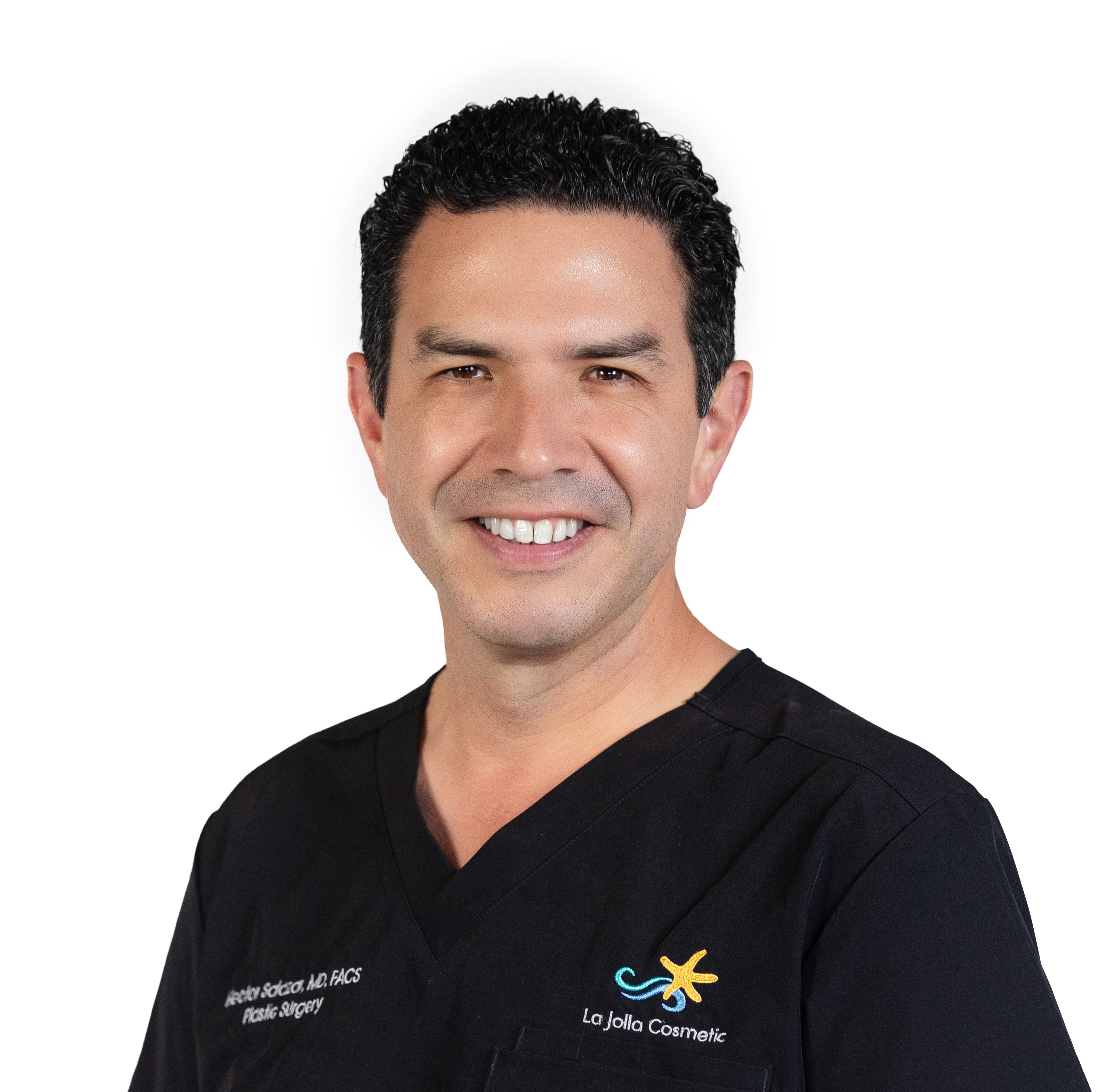
Plastic Surgeon
Having dedicated 17 years of his life to achieve the best medical training, Dr. Salazar’s philosophy is centered around providing beautiful results safely and ensuring each and every patient feels well cared for from their first appointment to their last.
In addition to being an American Board Certified Plastic Surgeon, Dr. Salazar is a member of the American Society for Aesthetic Plastic Surgery (ASAPS), a prestigious organization that is highly selective with its membership. Only plastic surgeons who demonstrate a high level of skill, experience, and expertise in aesthetic plastic surgery and cosmetic medicine are inducted into ASAPS.
Dr. Salazar is also a Fellow of the American College of Surgeons, an active member American Society of Plastic Surgeons, American Board of Plastic Surgery Maintenance of Certification Program, California Society of Plastic Surgeons, San Diego Plastic Surgery Society and the American Medical Association.
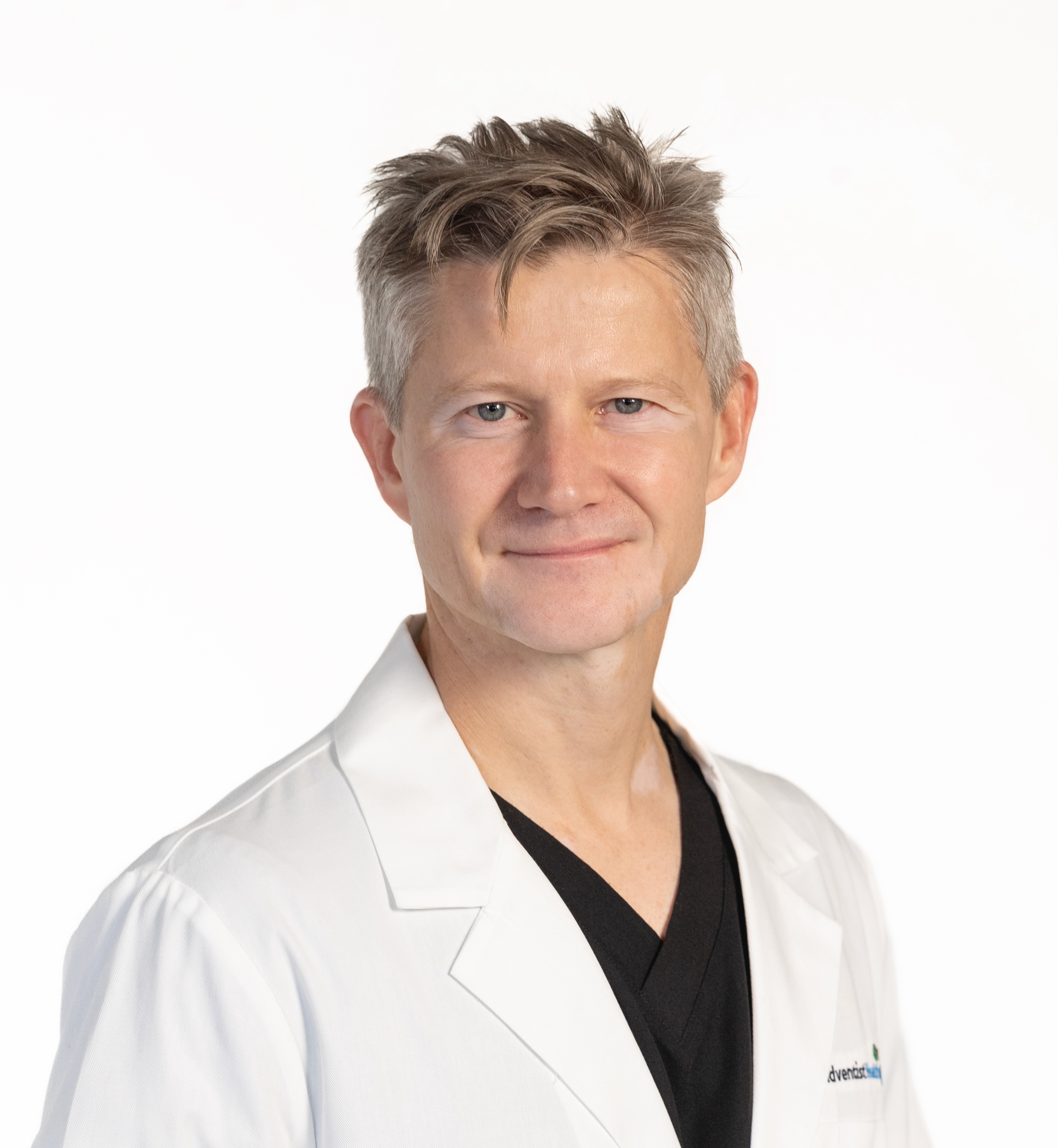
Plastic Surgeon
Dr. Luke Swistun is a board-certified plastic surgeon with a background in visual arts and medical military service. He’s known for his artistic approach to plastic surgery and for the close, supportive relationship he forms with every person he treats.
As a plastic surgeon, Dr. Swistun has years of general surgery and plastic surgery training. He attended medical school at the University of Illinois. He completed his general surgical training while in the navy and continued his Plastic and Reconstructive training at the University of Utah. After serving as a naval medical officer and deploying with the U.S. Marines during active conflicts, he completed his general surgery training, and subsequently focused on pursuing what he truly felt is his calling: reconstructive and plastic surgery.
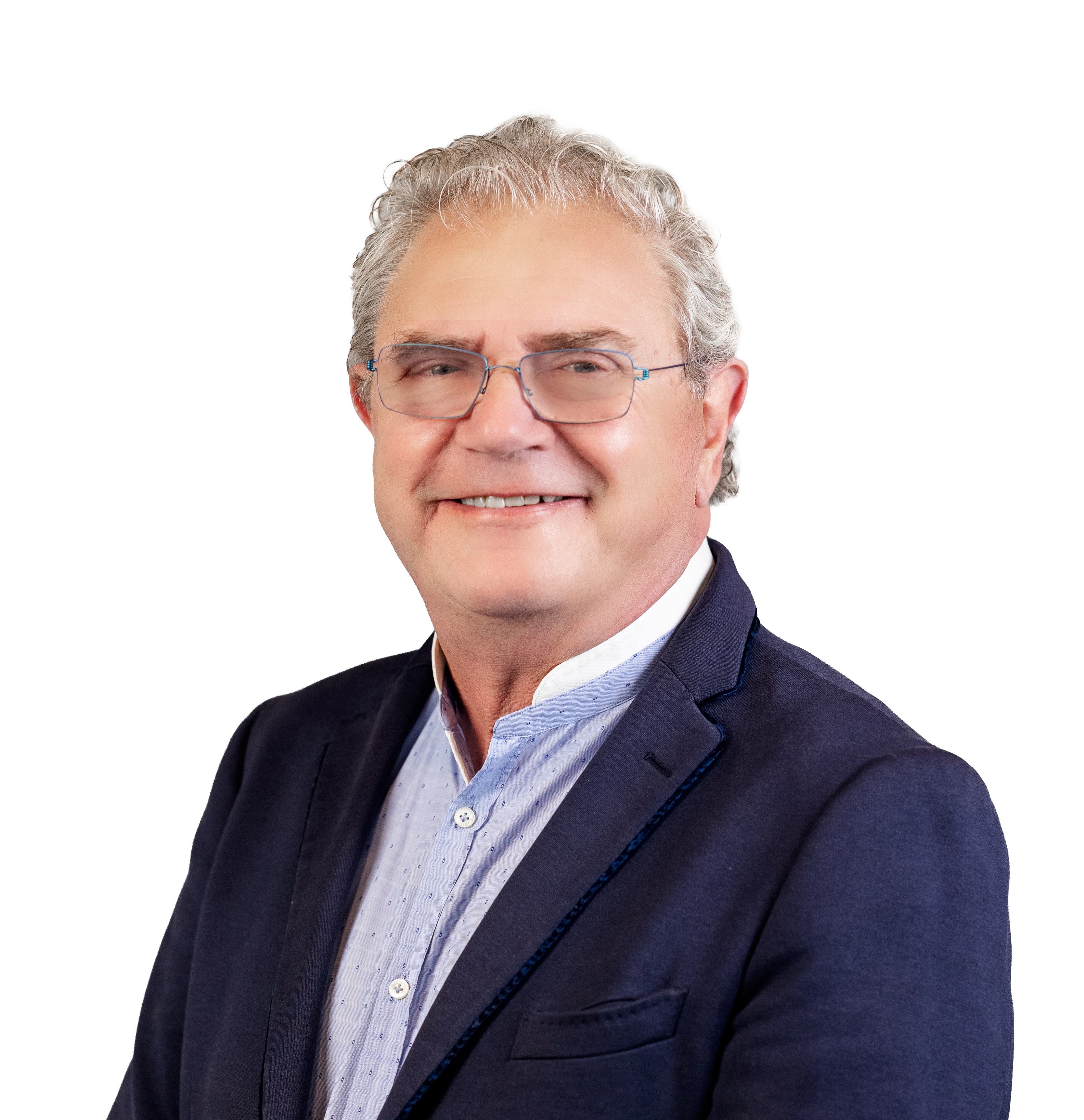
Plastic Surgeon
Dr. Johan Brahme is a board certified plastic surgeon with a reputation for his kind bedside manner, commitment to safety, and beautiful results.
Dr. Brahme’s philosophy in patient care is essentially the application of the Golden Rule… to care for every single patient the way he would want his own family to be treated. His team makes you the center of your plastic surgery experience. It is about your body, your life, your desires, and your decisions.

COO, La Jolla Cosmetic Surgery Centre
Janelle began her time at LJCSC as a Marketing Coordinator before transitioning into Administrative Lead and then a Patient Care Coordinator. Now, Janelle’s role is to manage the Centre’s daily operations and ensure the proper processes are in place to provide outstanding patient care.