


Fat might not be the first thing you think of when it comes to looking younger, but in the world of facial rejuvenation, it’s basically gold. According to Dr. Johan Brahme, it’s one of the most powerful tools we have for restoring youthful volume in a way that looks soft, natural, and unmistakably you.
He explains what areas of your body he takes the fat from, why your own fat is such a valuable resource, and how modern techniques have made fat transfer safer, more predictable, and longer lasting than ever.
He clears up some of the biggest misconceptions people have—what lasts, what doesn’t, and why the quality of the fat harvested matters more than you realize.
Dr. Brahme also shares what decades of experience have taught him about achieving natural results, the science behind graft survival, and the small technical details that make a big difference in your outcome.
Links
View Dr. Brahme’s facial fat transfer before and after photos
Meet San Diego plastic surgeon Dr. Johan Brahme
Schedule a meeting with Dr. Brahme’s patient coordinator to get started on your facial rejuvenation journey
Learn more about facial fat transfer
Learn from the talented plastic surgeons inside La Jolla Cosmetic Surgery Centre, the 12x winner of the San Diego’s Best Union-Tribune Readers Poll, global winner of the 2020 MyFaceMyBody Best Cosmetic/Plastic Surgery Practice, and the 2025 winner of Best Cosmetic Surgery Group in San Diego Magazine’s Best of San Diego Awards.
Join hostess Monique Ramsey as she takes you inside LJCSC, where dreams become real. Featuring the unique expertise of San Diego’s most loved plastic surgeons, this podcast covers the latest trends in aesthetic surgery, including breast augmentation, breast implant removal, tummy tuck, mommy makeover, labiaplasty, facelifts and rhinoplasty.
La Jolla Cosmetic Surgery Centre is located just off the I-5 San Diego Freeway at 9850 Genesee Ave, Suite 130 in the Ximed building on the Scripps Memorial Hospital campus.
To learn more, go to LJCSC.com or follow the team on Instagram @LJCSC
Watch the LJCSC Dream Team on YouTube @LaJollaCosmeticSurgeryCentre
The La Jolla Cosmetic Surgery Podcast is a production of The Axis: theaxis.io
Theme music: Busy People, SOOP
Announcer (00:00):
You're listening to The La Jolla Cosmetic Podcast with Monique Ramsey.
Monique Ramsey (00:05):
What if I told you that your body's extra fluff could become a secret anti-aging weapon? Today, we're talking about all things facial fat transfer with Dr. Johan Brahme, one of the rare surgeons who's equally skilled in both face and body. So we're going to talk about that today, Dr. Brahme. Welcome.
Dr. Brahme (00:27):
Thank you. Good to see you.
Monique Ramsey (00:29):
Good to see you too. All right, let's talk fat. If we're talking about fat transfers, you're light bowing it from one place and we're going to put it somewhere else. So once you lipo that, if you're not going to put it somewhere else, where does it go?
Dr. Brahme (00:43):
Fat transfer is something that has been going on for many, many years. I think it's become more scientific recently. I think that our methods of doing it are more predictable and we're doing it safer. And it really is fat is a precious resource because we all know that as we age, we lose fat in the face. And then the skin sort of drags and falls and so on. And especially in the cheek area, into temporal area here and along the cheekbone area. So when you lose that fat, it doesn't come back, but we can replace it. And what we do is that we take a little fat from various places. We can take it from the inner thigh. We can take it from the hip. We can take it from the tummy. We don't need very much. So it's not really like a full liposuction.
(01:47):
We only use maybe a couple of syringes, which isn't enough to make a difference from the donor site, but that's a lot for the face. We harvest the fat and sometimes you can do it under local anesthesia and sometimes you need to put them into sleep or they're asleep. Anyway, for some other procedure, I frequently do fat transfer with my facelifts. I would say over 50% of my facelifts. I can get some fat to the cheeks, to the nasolabial folds, to these areas here. So we take a little fat and we clean it. Sometimes we shred it and make it a little more injectable. But the face is such a vascular place that it's a great place for fat to live.
Monique Ramsey (02:38):
Let me have you actually dive into what that means. So the vascularity of the face means you have a lot of blood vessels. Why does fat need that?
Dr. Brahme (02:48):
So when you take the fat and you harvest it, you take it away from its blood supply. And fat is very sensitive. It's a very sensitive type of tissue. So it doesn't like to be away from its blood supply for very long. The face has very good blood supply. So when you put it in, then it sort of incorporates that blood supply and thrives and lives. Now, not all of it lives. We tell people between 60 to maybe 75% of the fat lives. And what you see at maybe three, four months after surgery, that's the fat that you're going to keep. So we always overinject a little bit because we know some of it's going to go away. Now there are other areas that you can do fat transfers as well. The breast and the butt are the two most common. The breast, you need a little bit more fat usually in the two to 300 cc range per breast.
(03:52):
And for the butt, you need a lot of fat. You need like seven, 800 per side. So that's a different type of harvest procedure, but the transfer is the same. And the results are what you see at three to four months, that's what you're going to keep.
Monique Ramsey (04:11):
And I would think it's your own tissue. It's your own- It's your
Dr. Brahme (04:15):
Own tissue. It's your
Monique Ramsey (04:16):
Own. So even some of these other things that are ... I mean, there's a whole bunch of new things on the market now, but there's been hyaluronic acids in the face where everybody knows about Juvederm and Restylane, and those are mimicking, I think, a hyaluronic acid that's naturally occurring in your body. But there's some other things out there that are like, what are they making it out of?
Dr. Brahme (04:39):
Where I feel- And it is temporary. It is temporary. So I think it definitely has its place. I think it's good for the lips. I think it's good for the tear trough under the eye, but anywhere where you need any more volume, it's going to get really expensive. If you're talking about injecting 20 ccs of Juvederm, you're talking $20,000, whereas your fat is much cheaper. And now, as a matter of fact, whenever I do liposuction on somebody, I say, "So we're going to have all this fat here at the end. Do you want to do something with it?
Monique Ramsey (05:19):
Yeah. Do we throw it away?
Dr. Brahme (05:20):
And then people go, "What can I do? " Yeah, we used to throw it away. And now as patients said, "Well, what can I do with it? " Well, you can put it in your face, you can put it in your breast, you can put it in your booty, and you can do all kinds of things with it.
Monique Ramsey (05:34):
Well, even I've seen on Instagram the hip dips that everybody talks about.
Dr. Brahme (05:39):
Exactly. The hip dips.
Monique Ramsey (05:40):
You know those little areas that
Dr. Brahme (05:42):
Everybody has them more or less.
Monique Ramsey (05:45):
Okay. So you do it in probably 50 to 60% of your facelifts. And is that true for men and women?
Dr. Brahme (05:51):
Yeah. Yeah, that's true for men and women. I mean, I can't show it here because we don't have to have the permission to show it, but I have a couple of patients who had a facelift and then had fat transfers. And we have the pictures in the office available to show people. And the result is remarkable. I mean, you can really see why fat can be called a fountain of youth because you really make a nice change when you fill up those hollow areas.
Monique Ramsey (06:26):
Once you have it in there, okay, whatever amount stays, like let's say at the three month mark and we've kind of augmented the cheeks and then it's, okay, three months, is it there forever or does it go away?
Dr. Brahme (06:39):
It's there forever.
Monique Ramsey (06:39):
Oh.
Dr. Brahme (06:40):
It's there forever. And it starts behaving like your regular fat. So if you gain a lot of weight, it may get a little bigger. If you lose weight, it'll behave just like your own fat. A question I get frequently though is patients have been told that the fat goes away or it goes in different areas. It migrates.
Monique Ramsey (07:02):
It doesn't move.
Dr. Brahme (07:03):
It doesn't. It doesn't. It stays where you put it. So if you're putting fat here, that's where it stays. It's not going to drift down or anything like that.
Monique Ramsey (07:13):
It doesn't pack up its bags. It doesn't pack up its bags and- No, it doesn't pack its bag. No, no. That's good to know because that's a visual I just don't want to see fat moving around. So when did you realize you loved doing both face and body work and that you could basically recycle fat in the coolest way possible?
Dr. Brahme (07:36):
Yeah. I mean, I like doing big surgeries and big surgeries on bodies make an incredible difference. We see a lot of patients who now with Ozempic and all the other weight loss injections, we see a lot of patients who've lost significant amounts of weight and we're there as a tailor to retailer their bodies. And so I really like doing that because I'm a pretty quick surgeon and you can do a lot in one sitting and really change somebody's life, really change somebody's life. And I mean, it's a lot of work, it's a lot of sewing, but it's very satisfying. It's very satisfying.
Monique Ramsey (08:25):
I would think so.
Dr. Brahme (08:26):
And the faces I love because it's such a life changing thing because we're all working longer, we're all competing in a younger society and doing that really helps people fit back into their jobs with more confidence. And I think that it's just a terrific confidence builder. I mean, I had a facelift about nine years ago and I had lost a bunch of weight and had a lot of stuff hanging in my neck and I swear I never regretted that decision one day and you're out of work for about a week or so, but it's something that really gives people their mojo back.
Monique Ramsey (09:20):
Yeah. Well, and thanks to Chris Jenner for putting 70 on the ... I mean, in a way, it's like, thanks for being so open and honest, but also God, she looks so good. And can we all look that good at 70? I think we can, right? I mean-
Dr. Brahme (09:35):
we can certainly approach it.
Monique Ramsey (09:37):
She has a lot of money to make it happen. But really it's almost like you're right, everybody's living longer, we're working longer. And it's not just about how other people see us because they make a snap judgment about us when they see us, but how you carry yourself, you're right, it's that confidence.
Dr. Brahme (09:57):
Yeah. You stand a little taller, you feel a little bit better and more confident. And I often get patients coming in to say, "Well, I don't like that facelift look." Well, I don't either, but there's so many patients out there who you don't even know how to facelift, and you should look the same afterwards. You should look like yourself. And I think that's something ... I've done over a thousand facelifts, and that's the goal that I have is that for their friends to say, "Oh, you look great. Where did you go on vacation?" Not, "Who did your facelift?" But that does not happen very often. Most people, they say, "Well, nobody said anything except I look good. I've lost weight. I've changed my hairstyle," something like that.
Monique Ramsey (10:53):
Yeah. So going back to the facial fat transfer, okay, now we've kind of got two kinds of patients. We have the patient who came to you originally for lipo only, and then you say, "Well, what do you want to do with the fat? Do you want to throw it away or do you want to put it somewhere?" But then for the patient who, let's say they just are coming for a facelift and they're going to have some facial fat transfer, is there some parts of the body where the fat's better than other parts of the body? Is it all the same? And where do you get it from?
Dr. Brahme (11:28):
It's pretty good wherever you take it from, but virgin fat is better. So if you've not had surgery in that region before, if you've had liposuction before, to harvest fat becomes difficult and the fat's not as great a quality. So I try to go into more virgin areas like inner thigh or maybe saddlebags or something like that. And for the fat transfer to the face, you don't need that much fat. We can always find some good fat.
Monique Ramsey (12:03):
And are there areas of the face where the fat transfer works better than other areas of the face or does it kind of universally work no matter where you put it?
Dr. Brahme (12:16):
It pretty much universally works, but I think that you have to really analyze the face and see where you want to put it. The risk whenever you do fat transfers is that you get lumpy, little lumps of fat or little globules of fat. My opinion is that you have to put the fat fairly deep so that you sort of balloon out the tissues that you want to expand. If you put it too superficial, you may feel it through the skin.
(12:46):
And then afterwards, I always have my patients sort of massage it early on to sort of smooth it out. But yeah, I've been very lucky. I've not had any problems with fat transfer. The only place where I think fat transfer is tricky and a bit dangerous is the lower eyelids because the lower eyelets has very thin skin and a very, very thin fat layer. And I've seen a few fat transfers from elsewhere where they just have too much fat in the lower eyelids and it looks awful. And once it's there, it's almost impossible to get rid of it in a natural looking way. I mean, I've done a couple and yes, they look a lot better, but we're all our own worst critics. And I said, after seeing these, I am never putting fat in the lower eyelid again, ever. But the cheeks, the temporal areas, the nasal labial folds, the marionette lines, the jawline, super safe.
Monique Ramsey (13:59):
And what about lips? You mentioned you like the hyaluronic acids for lips. Do you ever consider fat for the lips or not really?
Dr. Brahme (14:09):
Yeah, I do. I do. If the patient has had hyaluronic acid or Juvederm, et cetera, and liked it, we can put some fat in the lip, but again, it can be a little more lumpy in the lip. But now that we have better shredding methods, it's something that I'm doing more.
Monique Ramsey (14:31):
You say shredding and I'm thinking of like a cheeseburger.
Dr. Brahme (14:34):
You're thinking about guitars? No.
Monique Ramsey (14:36):
Oh, shredding. Well, we're going to talk about that too.
Dr. Brahme (14:38):
It's a different kind of shredding.
Monique Ramsey (14:39):
But what do you mean by that? And I've heard the term nanofat. Is that what you're referring to?
Dr. Brahme (14:45):
So you can take the fat or you do take the fat and then you can run it through between two syringes through a little shredding mechanism and you can shred it to any kind of fineness that you want. For fat transfer, you want to keep the cells alive. You want it to be malleable, but you don't want to make the mixture so fine that you kill the cells. So there's a way of getting to that point, and then you can go further and make it into what's called nanofat. Now, nanofat has no ... It's not alive. It doesn't have any cellular structures, anything like that. It has what was in the cells. It has growth factors and so on and so forth. So it can be used as a filler. Some people really believe in it, injecting it into scars and so on, but it's not a filler because it's not something that's going to stay around very long.
Monique Ramsey (15:52):
Got it. What is something that most people don't know about the quality of fat and why it matters?
Dr. Brahme (15:59):
Well, fat is very, very sensitive. And so you have to take it out of the body, clean it up, and then put it right back in. You can't let it sit for a long time because it's very sensitive. And some people, if you've ever had a significant trauma to soft tissue trauma from a car accident or something, you can have fat necrosis and fat death just from external trauma.
Monique Ramsey (16:26):
Oh, wow.
Dr. Brahme (16:27):
And so it's very sensitive. It's very sensitive tissue, but we take very good care of it when we take it out and we put it right back in. So to have the maximum chance of having the most we can't survive.
Monique Ramsey (16:45):
Right.
Dr. Brahme (16:46):
Yeah.
Monique Ramsey (16:47):
Well, you're known, I think one of the highlights of why do patients love you, Dr. Brahme? You're fun. You're fun and you're easy to talk to, but your results are so natural and very balanced. And so what's sort of your artistic philosophy when you're combining lipo with a facial fat transfer?
Dr. Brahme (17:08):
I try not to overdo it. I mark my patients ahead of time. We talk extensively about where we should put the fat. And as with most things, I don't try to overdo it. I'd much rather go back and put a little more fat in than try to take fat out that was too much. So I wouldn't say that I'm conservative, but I respect the conservative boundaries of too much is not necessarily better.
Monique Ramsey (17:43):
Do patients ever bring you a photo of themselves when they were 25 or 30 and say-
Dr. Brahme (17:49):
Oh yes, everybody does.
Monique Ramsey (17:51):
Do this.
Dr. Brahme (17:52):
The wedding photo. And I said, "Oh yes, that looks lovely. Let's put that photo away." But you can really do make some, especially with the addition of fat, you can really soften a lot of aging angularities and things like that, but plastic surgery is all about meeting expectations and the patient has an expectation and managing that expectation to what we can really do when somebody comes in and holds up a picture of Angelina Jolie's nose, "I can't do that. " Angelina has that nose, it's taken, but when people come in and show me pictures of what they used to look, that's sort of nice. And I try to keep it realistic on what we can do and what we can't do. And the managing of that expectation is very important because you don't want to set up expectations that are too high and then not being able to meet it.
(19:04):
So I'd much rather have them say, "Oh, this is beyond what I expected," rather than say, "Well, there's this little one thing."
Monique Ramsey (19:15):
Well, we all go through that.
Dr. Brahme (19:17):
Managing our own expectations as well as those of the patients.
Monique Ramsey (19:20):
Well, we were talking the other day about just as a patient, having your own timetable of let it be, you'll get there. I think everybody's super nitpicky at the beginning and they're looking at themselves because they've just gone through this big procedure. And so they're hyper analyzing their face or their body and looking for every little thing. And it takes some time for it all to settle down.
Dr. Brahme (19:48):
Yeah. Yeah. I don't usually talk about things like touch-ups and things like that for at least four months after surgery. And when you do inject the fat for the facial rejuvenation, it does swell more.
Monique Ramsey (20:06):
So does it add, let's say you're going to do a facelift and then with a fat transfer, does it add on more days of healing time?
Dr. Brahme (20:16):
No, not really. I mean, maybe a couple of days, but there could be a little bit more bruising just from the injection and so on. But I still tell people that after a facelift with eyelids and fat transfer, for example, it's about 10 days. It's about 10 days and then they can put some makeup on and look pretty normal, look pretty normal.
Monique Ramsey (20:42):
Get out there.
Dr. Brahme (20:43):
And we have pictures in here of patients at various stages so that our consultation patients can see that beforehand.
Monique Ramsey (20:52):
Yeah, kind of the progression, right? Here I am in day two and here I am at day five. And you make leap years of healing progress just in a few days is pretty amazing.
Dr. Brahme (21:03):
Yes. Yes, you do.
Monique Ramsey (21:05):
Yeah. So you're talking about setting expectations. And I would think that one of the ways that you can set expectations is showing before and after pictures of other patients, like here's where he or she started, here's where they are at three months or six months or a year. Do you find that that's maybe the best way for people to get a realistic image in their head of how long it'll take?
Dr. Brahme (21:33):
I think so. I think so. And some patients have the idea that this is a facial, it's not a facial. And some people have the idea that it's open heart surgery. It's not that either. It's very superficial surgery. Yes, you're going to be tight and all of that stuff and you'll be swollen and a little bit bruised and so on, but there's nothing that's functionally going to be wrong with you. So I tell people, you can drive when you're off the pain medication, you can take a shower the next day after surgery, you can put some makeup on. And usually we have people out of their house by a week or so.
Monique Ramsey (22:24):
What is maybe the biggest misconception about fat transfers that you wish more people knew?
Dr. Brahme (22:32):
People assume or people think that fat is just bad. Fat is bad everywhere. We should lose fat, we should lose weight, but when you add some fat to the face to the right place, it really makes a huge difference. And whenever I show those pictures of fat transfers, patients go, "Oh, wow, that is such a nice change." And what's unknown is how much good can be done with fat.
Monique Ramsey (23:08):
Interesting. Yeah. I would think, I mean, do most people know that that's a thing that they can do or do you think it surprises some people when you ask.
Dr. Brahme (23:17):
Surprises a lot of people when they come in. Yeah. Surprises a lot of people. And it's always intriguing for people when they come in and they want to have liposuction done. I say, "Okay, so what do you want to do with the fat now?" I said, "You have one chance because we have it now, but we're not going to have it in a week." So most everybody has a place that they would like a little bit more filler.
Monique Ramsey (23:47):
A little something, something. A little something. Yeah. Now, in your years of doing this, do you have a moment or have you had a moment where you kind of looked at the end at the result and say, "This is why I do what I do. " It all just came together.
Dr. Brahme (24:06):
Yeah. Yeah. And that's a wonderful thing when that happens and that can happen. I did a woman last week and I did, she had really thick calves and what we call cankles, the fat going all the way down to the ankle bones. And we did some liposculpture of her calf and tried to give her nice ankles. And at the conclusion of the procedure, it was so nice. I mean, it really looked very attractive. She came in today and she's all swollen, so you can't see it, but she will in a couple of weeks. But yeah, there are always moments when you step back and say, "Yeah, this is why experience matters."
Monique Ramsey (24:55):
For sure. Well, I think, and for somebody like that person who probably never felt comfortable wearing a dress ever, and all of a sudden that's going to be a possibility for her and that's truly life changing and that's kind of fun, right?
Dr. Brahme (25:12):
Yeah. I mean, the first one I did, I remember it's like 25 years ago or more, and she was a performer in Las Vegas and she's very attractive, but she had the legs that came all the way down to her ankles. And she said she would be teased while performing and it was terrible for her. And so we did her and she was great. She was great. That's neat. And those are the patients that really make you feel that you're doing the right thing.
Monique Ramsey (25:47):
Yeah. Yeah. It's life changing. Well, thank you.
Dr. Brahme (25:49):
It can be. Certainly can be. Yeah.
Monique Ramsey (25:51):
Thank you, Dr. Brahme for talking about taking fat and moving it around and making that-
Dr. Brahme (26:00):
I'm a fat mover.
Monique Ramsey (26:00):
The fountain of youth. And for everybody listening today, thanks for listening. And check the show notes for links. We'll send links to our gallery with Dr. Brahme's patients. And just know that when you have your consultation, we have a lot more patients before and after pictures that you can see. Some people don't want their before and afters on the web, but they will allow us to show them in the office. So there's more where that came from, right?
Dr. Brahme (26:26):
More where that came from.
Monique Ramsey (26:28):
Exactly. Well, thanks again, Dr. Brahme.
Announcer (26:33):
Take a screenshot of this podcast episode with your phone and show it at your consultation or appointment or mention the promo code PODCAST to receive $25 off any service or product of $50 or more at La Jolla Cosmetic. La Jolla Cosmetic is located just off the I- 5 San Diego Freeway in the Ximed Building on the Scripps Memorial Hospital campus. To learn more, go to ljcsc.com or follow the team on Instagram @LJCSC. The La Jolla Cosmetic Podcast is a production of The Axis, T-H-E-A-X-I-S.io.
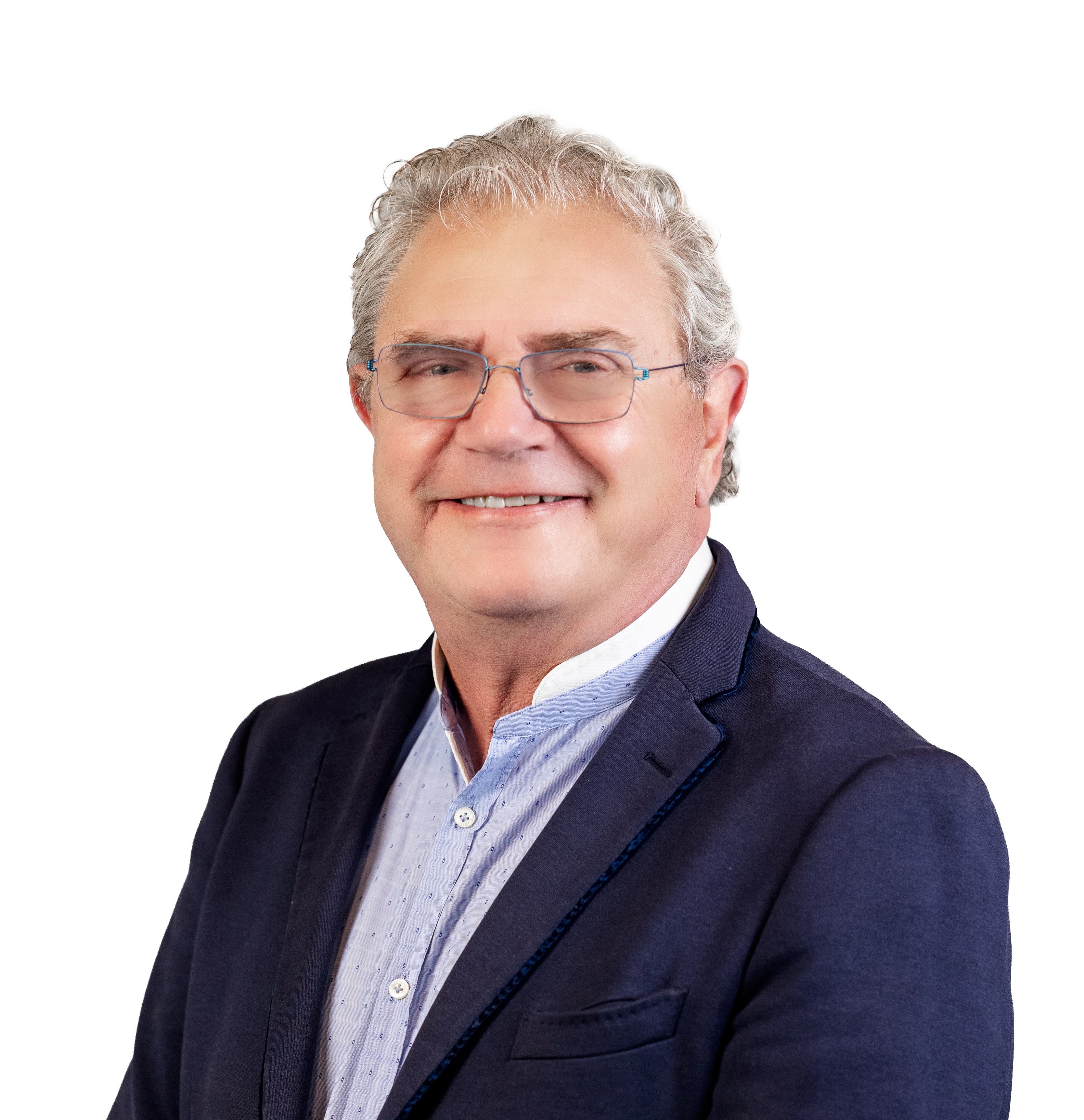
Plastic Surgeon
Dr. Johan Brahme is a board certified plastic surgeon with a reputation for his kind bedside manner, commitment to safety, and beautiful results.
Dr. Brahme’s philosophy in patient care is essentially the application of the Golden Rule… to care for every single patient the way he would want his own family to be treated. His team makes you the center of your plastic surgery experience. It is about your body, your life, your desires, and your decisions.