


You get a full pre-op booklet and a nurse walks you through every detail, but when surgery day is getting close, it’s easy for things to go in one ear and out the other.
To help make sense of it all, Jocelyn, one of our trusted LVNs, walks through the parts patients tend to skim: stopping certain meds, what anesthesia does to your body, why you need a responsible adult after surgery, and how simple things like pets, sleep position, and meal prep can make or break your recovery.
You’ll also learn about the emotional side of it all—how nerves and excitement show up together, why asking questions matters, and how being prepared helps you feel calmer, safer, and more confident heading into surgery and healing.
Links
Read more about Jocelyn
CNN, Man loses hands and feet after dog-related infection
Hear 360 lipo patient Amie’s smart recovery tips on How Amie Got The Body Of Her 20’s Back (At 40-Something)
Check our our plastic surgery recovery guide
Learn from the talented plastic surgeons inside La Jolla Cosmetic Surgery Centre, the 12x winner of the San Diego’s Best Union-Tribune Readers Poll, global winner of the 2020 MyFaceMyBody Best Cosmetic/Plastic Surgery Practice, and the 2025 winner of Best Cosmetic Surgery Group in San Diego Magazine’s Best of San Diego Awards.
Join hostess Monique Ramsey as she takes you inside LJCSC, where dreams become real. Featuring the unique expertise of San Diego’s most loved plastic surgeons, this podcast covers the latest trends in aesthetic surgery, including breast augmentation, breast implant removal, tummy tuck, mommy makeover, labiaplasty, facelifts and rhinoplasty.
La Jolla Cosmetic Surgery Centre is located just off the I-5 San Diego Freeway at 9850 Genesee Ave, Suite 130 in the Ximed building on the Scripps Memorial Hospital campus.
To learn more, go to LJCSC.com or follow the team on Instagram @LJCSC
Watch the LJCSC Dream Team on YouTube @LaJollaCosmeticSurgeryCentre
The La Jolla Cosmetic Surgery Podcast is a production of The Axis: theaxis.io
Theme music: Busy People, SOOP
Announcer (00:00):
You're listening to The La Jolla Cosmetic Podcast with Monique Ramsey.
Monique Ramsey (00:05):
Before your surgery day, you have a pre-op appointment where one of our lovely nurses is going to give you a detailed booklet of instructions and go over everything with you so you're informed and prepared. But in the moments leading up to surgery, you're probably overwhelmed with emotions and may or may not hear or read every single detail. So today, one of these lovely nurses that you might come in contact with, Jocelyn, is here to go over the pre-op paragraphs that you might skip over. Welcome, Jocelyn.
Jocelyn (00:38):
Hi.
Monique Ramsey (00:39):
So please first remind patients where they're going to meet you on their journey to their goals.
Jocelyn (00:45):
Usually you meet me at the pre-op.
Monique Ramsey (00:48):
Okay. And just briefly walk us through what kind of are the components of that pre-op appointment and what to expect.
Jocelyn (00:58):
So at first, we just ask you some questions mostly about your medical history, and then after that we will get some vital signs, do any pre-op testing that we need to get done. Then we'll do some pre-op photos. And then what I like to tell my patients, we get down to the nitty gritty. So when you're done with the pre-op photos, you get to get changed back into your regular cozy clothes, and we get to go through how to best prepare you for surgery, what to expect before and after surgery, and go into all the details.
Monique Ramsey (01:36):
What do you find in terms of patients when they come in for that pre-op visit? What emotions do you see? Are they typically nervous or excited or scared or
Jocelyn (01:49):
All of the above.
Monique Ramsey (01:49):
Really?
Jocelyn (01:50):
Yeah. Yeah. We have patients that have come in, they're like, I'm really excited, and they just want to rush through everything. And I'm like, okay, well, we still are going to go through all of this stuff, so we chat a little bit. Or I also get patients who are just really, really anxious and nervous about it.
Monique Ramsey (02:09):
How do you make them feel like a little calmer and able to take that edge off?
Jocelyn (02:14):
One thing I like to do before even starting my pre-op is just kind of chat with them and let them know what to expect. That's what I would like someone to do for me. This is what we're going to do. This is how we normally do it. If you have any questions, please feel free to ask them. They'll likely get answered during the pre-op, but if not, I want you to ask me so I can get it all answered for you. So just being able to kind of hopefully put their mind at ease. Any questions that you have, whether you think it's an insignificant question or not, let's get it answered because there's no questions that are insignificant, especially if it's bothering you.
Monique Ramsey (02:59):
Also, the moment you as a patient, tell your friends, tell your family what you're thinking of doing, they all come up with, oh, I heard my friend Millie, or my mom's, mom's mom hat. And then there's all this stuff that comes at you and then you're like, oh, am I doing the right thing? And are those real legitimate concerns to have? And it is better to talk about it because there is, like you say, there's no dumb questions, there's no silly questions. Now if somebody's too embarrassed to ask a question during the appointment, what would you tell them?
Jocelyn (03:44):
So at the very end of my pre-op, I make sure that they have my card. I also write my name and phone number in the book that we give them because like I said, I like to tell patients I like, you'd have it in two places because if you misplace the book, at least you have the card or you misplace the card, you have the book call or text that number. Some people feel more comfortable texting it because they can actually read what they're writing and send it via text if that's how you feel more comfortable, whatever way you want. It also has my email, feel free to email me, I'll answer it. So any way to make you more comfortable, just let us know
Monique Ramsey (04:27):
In the booklet that you're talking about. So the booklets that we actually pioneered at our practice in the early nineties really go into the preparing for surgery the first 24 hours after surgery as you heal getting into life. And then there's a whole bunch of risks. And then you're going to times that by, let's say you're having a breast augmentation and some lipo to your hips, you're going to have information about both of those procedures. And so it's a lot for some people, let's pretend it's face, neck, brow, lower eyes. That's a lot of information. So it can be or could have the potential to be overwhelming. And so partly the reason we give it to you in that booklet is, okay, we're going to go over certain things at the beginning, but then you have that for yourself later you're going to forget. So if a patient is like, okay, yeah, I got it. I got it all. Jocelyn, I'm ready to go. And then they get home, is that the best thing is to reach out to you whenever
Jocelyn (05:37):
You have a question, concern, anything? If I'm not the right person to ask, I'm not going to say, oh, sorry, not me. We'll get the person in contact with you. We've got you every step of the way. We're here for you.
Monique Ramsey (05:52):
Right. Do you ever have issues with patients understanding and following instructions? Are people usually compliant? Do you think that they start to go, I know they said I can't do this, but I'm sure it'll be fine. I feel good.
Jocelyn (06:09):
I think both. I feel like there's, most people are pretty compliant. There's those patients that read every, so we email the book to patients so that they can kind of read it beforehand and then we kind of reiterate it during the pre-op. Some patients read it, some patients okay either way. But there are patients who they are going to do everything that the book says exactly at that timeframe. And then there's patients that are like, I mean, I feel like after two weeks I could be able to do whatever I want. And so we have both of those, but the majority of patients, even if they feel like they can do it well, I'll get a text message and say it's, can I start running now? Or can I do yoga? Or I know
Monique Ramsey (07:02):
Just gentle stretching.
Jocelyn (07:03):
Right? Or I go, I usually get, I know they said three weeks for this compression garment. How strict are they on that? Things like that. But the majority of people really do reach out and ask.
Monique Ramsey (07:16):
That's good.
Jocelyn (07:16):
Or they don't tell me
Monique Ramsey (07:21):
It's all fine and well not telling you and bending the rules to your own, and then all of a sudden you've got swelling and you've got something that has to be drained.
Jocelyn (07:32):
Yes.
Monique Ramsey (07:34):
All of a sudden you put yourself backwards. So I feel like either follow it to the letter or ask the question, just say, Hey, I'm feeling really good. What do you think about this activity? And you might say, well, if you would do it this way or Let me check in with doctor and see. Because you don't want to set yourself backwards, especially if you've come that far at whatever point you're at. Even if you're at five days, you don't want to put yourself back to day two. And if you're at 14 days, you don't want to put yourself back to day seven or day one or day one. Yeah, I've seen it all. So what points now, looking back of all the times and all the pre-ops you've done, what points are in the book that maybe are the most overlooked?
Jocelyn (08:24):
The big one is the exercise. I don't know if I would say it's overlooked, but people are just, you get so eager, so used to even just being able to go on, I don't know, a two mile walk. And we don't want you to do that for the first three weeks usually depending on the surgery. But I mean, I know you feel good and I know that you feel like you can do it because everything on the incisions look like they're healing great. There's no redness. The swelling has dramatically decreased, but you're still healing so much inside. So nothing to raise your blood pressure, nothing to make you sweat. Even if people go, I don't sweat when I walk three, two miles or my blood pressure's already low, I know, but we don't want to increase it. Right? The reason our patients do so well is because we have these restrictions
Monique Ramsey (09:26):
And it's like if you think about it in the long game, look at the long game, it's okay. You're talking about maybe having to wait five more days until you, you're cleared to do that thing that you're dying to do. Give yourself some grace and come up with it. Go to a movie, go do something where you feel like, okay, I got to get out of my house. I'm stir crazy. Okay. There's ways you can do that without compromising how far you've come. Are there any safety instructions that patients can absolutely not mess up that you really caution them about?
Jocelyn (10:07):
Number one, obviously making sure that you have a responsible adult over the age of 18 with you for the first 24 hours after surgery. Some people can really underestimate what anesthesia does to you. Anesthesia can make you really forgetful, can make you unbalanced sometimes. Sometimes your anesthesia messes with your stomach. Sometimes for some people, I mean there are some people that wake up from anesthesia and it's like nothing happened. But still you need to make sure you have someone with you. It's very important and rely on them. And they need to know what's going on.
Monique Ramsey (10:47):
Yeah, and they need to have your information. And I know that when you pick up a patient, like say you're the ride, you're the responsible adult and you're picking up your friend or your mom or your daughter from surgery, there's a bunch of instructions that are gone over with you to you from the recovery room nurse. And I would say, I agree with that insight that you are forgetful and you think, oh, I'll remember when I took the Keflex or I took the this or I took the that you don't remember. And so having a little chart for your medications, a lot of them, that's huge. Especially you can have your responsible adult doing it for the first 24 hours, first 48, whatever. But then you're going to take over yourself and you think you'll remember, but you don't. It all becomes a blur. And you take a nap and you're like, what time is it? And so having that person with you who's not your 12-year-old daughter, it's not the same thing. And what could happen if somebody doesn't follow their instructions? And I guess it probably depends on what instruction we're talking about or what surgery they're having.
Jocelyn (12:01):
It could really set you back. You could have healing delays. You could, I mean, there's so many things that could happen. Let's say even with that scenario, you don't have someone staying with you after surgery, right? You go home from, you had the person that you said was staying with, you just drop you off at home. You've had anesthesia on board, you've had your pain medication, you fall asleep, you wake up, you forget you had surgery, you stand up too quickly, you get dizzy, you fall. There's so many things that can happen that you're like, that's never going to happen to me. You never know. Is it worth the risk?
Monique Ramsey (12:35):
Look up the definition of accident. Exactly. My daughter would always be like, mom, that's not going to happen. I'm like, have you ever heard of an accident? Exactly. Nobody plans for that to happen. That's why they call it an accident. Now, could you walk us through a checklist of maybe what to do and what not to do the night before or the morning of surgery and the morning of surgery?
Jocelyn (13:01):
Don't drink alcohol. No blood thinners, anything like that. The morning of surgery, nothing to eat or drink after midnight, the night before surgery, no drinking water, no chewing on gum, no sucking on mints, definitely none of that. If you're having general anesthesia, we tell patients, depending on what kind of surgery you have the night before and the morning of surgery, there's a specific way we want you to wash the surgical site. Listen, let's do it. Dial soap, the scrubs that we give you, no lotions, moisturizers, creams, deodorant, anything like that the morning of surgery.
Monique Ramsey (13:40):
Yeah, you don't want to risk an infection right at all. Kind of important.
Jocelyn (13:44):
Very, very important.
Monique Ramsey (13:47):
Now, thinking about the day of surgery, what is the thing that they would expect when they first arrive? Who do they see? What happens and how long sometimes do they have to wait before they go to the OR?
Jocelyn (14:02):
So we have them check in about an hour before surgery is scheduled to start. So we have you just check in with our front office and they'll have you have a seat in our lovely little living room area. And when the operating room staff is ready for you, they'll come grab you and take you to the marking room or room so that you can get undressed, get a gown on. You're going to meet your whole surgical team. Well, you're going to meet your surgeon, the anesthesiologist, your nurse. We're going to make sure everyone's on the same page. I know during the pre-op, we usually have you sign most of the consents, but there are two consents that you have to sign the day of surgery. So if you wear contacts, don't forget your glasses. So you can read and then the doctor's going to mark on you.
(14:52):
He's going to, he or she's going to write all over you. Just make sure everyone is on the same page. And sometimes, I mean, usually you're waiting about an hour. Like I said, we have you check in about an hour before. Sometimes you, a surgery is ran a little long, the surgery before you, so you might have to wait a little bit longer. But we're really good at making sure we keep you informed. If we anticipate that we'll call you before your arrival time to let you know like, Hey, can you come a little bit later or a little bit earlier.
Monique Ramsey (15:23):
Right now, if a patient gets home, let's say, and they realize they read the book and they're like, oh my God, I didn't do that. Or Oh, I forgot to take that pill. Or what should they do?
Jocelyn (15:36):
Well, when you get here, there are some medications that we have. You take the morning of surgery depending on your surgery and your circumstances with a very small sip of water. So we bend our own rules just a smidge, but we review all of that with them prior to surgery. But if they go home, and we also have you bring all your medications that you picked up from the pharmacy to surgery, just to once again, double, triple, quadruple check that you've been able to pick everything up and that you and your ride know what medication to take, when to take it, what it's for, all of that information. But if you happen to go home and say, you know what the book tells me I should be taking this medication and I don't have it, give us a call, shoot me a text, call the office. I don't answer smoke signals. That's the only thing I don't answer. No email, whatever it is. We'll get it for you. We'll get it sent to the pharmacy. We will, we'll be in communication with you. We're here for you.
Monique Ramsey (16:45):
And I would think that at that pre-op visit, you're going over some of that with them too. All of a sudden they go, oh, but I'm allergic to such and such. And you're like, whoa, hold on. Exactly. You didn't have the red sticker on your chart here to know, okay, let's make an alternate plan if that's something that you're sensitive to, that kind of thing.
Jocelyn (17:06):
After we go through your medical history, I like to do a quick synopsis with my patients. This is the medications you're taking, these are the supplements you're taking, this is what you're allergic to. All of those. Super important, just to make sure we're on the same page. I do have patients that will send me a text and go, oh my goodness, I completely forgot I'm taking this medication.
Monique Ramsey (17:29):
Or supplement. I mean, I think that's something that people don't, they'll say, okay, what medications are you taking? And you write it down and you're thinking about the ones you pick up from your pharmacy. You're not necessarily thinking about any supplements you take or let's say even the skinny shot. That's a big one too. It is. Tell us a little bit about what people need to know if they are on a shot like that prior to surgery.
Jocelyn (17:57):
We like you to be off of that shot, preferably two weeks prior, depending on when it is. We could do about 10 days, but we like to do it about two weeks prior. If you end up taking it, we just need to know, we do have alternate plans that we can do. It's not like we have to cancel your surgery, it's just we'll have you fast longer or things like that. There's things that we can do. So whatever it is, as long as we know we can make a plan, it's not going to jeopardize your surgery, just let us know.
Monique Ramsey (18:35):
And what's the reason behind that two weeks off of the medication?
Jocelyn (18:41):
Because what the injections do, it kind of slows down the gastric dumping and things like that. So if you are on those medications,
Monique Ramsey (18:51):
Wait, hold on. What's again, Jocelyn? I'm sorry, I'm raising my hand. What's gastric dumping? It sounds awful and I don't want it. No, really? No, but seriously, we need to know these things.
Jocelyn (19:03):
Yeah, no, it just can slow how you process your food.
Monique Ramsey (19:08):
Okay. Okay.
Jocelyn (19:09):
So I'll word it that way instead. It slows down how your body's processing
Monique Ramsey (19:15):
Okay.
Jocelyn (19:16):
So therefore you would need to fast longer.
Monique Ramsey (19:19):
Right. We don't want stuff in your stomach before. Before you have your anesthesia.
Jocelyn (19:23):
Exactly. We don't want to cause any sort of aspirations or anything like that.
Monique Ramsey (19:28):
No, we don't. Yeah, let's, I'll never forget. And we have that episode, we have a couple episodes early on from early on about anesthesia. They're really good. And Steve Saltz, Dr. Lori Saltz's husband. They're both retired now, but an anesthesiologist and he really breaks down what anesthesia is all about and what to know. That's good. I have to look that one up. I really, I want to listen to it. I think there's more than one. I'm pretty sure there's two.
(20:04):
But I remember him telling a story. I don't know if it's in the podcast or not, but I remember him telling a story about being in the er and some young teenage boy came in from some sort of accident and they asked him if he'd eaten or when did you last eat or whatever. And he lied about it. He'd had pizza. Well, you could die. They're putting tubes in you and they're treating you in a way that they think your stomach is empty and not, and he was embarrassed or whatever about whatever he was not supposed to do. And he did it anyway. And it's like they would've treated him completely differently and he turned out okay. But that's a really scary thing. And so having all the is key.
Jocelyn (20:48):
Exactly.
Monique Ramsey (20:49):
Yeah. So are there any hacks or tips that you can share that help maybe people either remember their instructions easier or just to help make the surgical journey and that post-op journey easier ?
Jocelyn (21:03):
During the pre-op, we do give you, I mean, I use it as a shopping list. So everything, I'm like, don't forget this. I always write it down. Making sure you have everything on that little shopping list is definitely key. Being prepared. So kind of doing a run through before surgery of how you feel like the days after surgery are going to be, usually it's keeping the head of the bed elevated. You need to sleep on your back. If you're a side sleeper, maybe sleep in either recliner or stuff, some pillows on the side that you normally sleep on to help remind you. There's little things like that, but kind of thinking it through. If you're like, I forgot to tell you at the pre-op, I know you want me to sleep on my back. I've never been able to do that. Talk to me. We have things that we can work out and if I can't think of anything, we have so many people here that we run things by one another all the time.
Monique Ramsey (22:01):
And I think something that those of us who are maybe guilty of being a personality, a type personality where we're running, running, running, doing, doing, doing. You've got so many things to get yourself ready for surgery and you've got all these other things going on. I would recommend stop. Give yourself some time to prepare, really prepare, not just get a carton of whatever milk. Really prepare and be thinking about what you're talking about. Maybe practice. I heard somebody talking about practice sleeping in that way that you might have to, you're a stomach sleeper and you need to not be a stomach sleeper anymore because you're having a tummy attack and a breast dog. So how are you going to manage and give yourself the time to think about those things and give yourself stop long enough to just prepare. Because I think we all think, oh, I have Instacart. I can just have them bring the saltine crackers with no salt or whatever. It's not that. It's the whole thing. And really making sure that you're set up. You don't want to be uncomfortable anyway from surgery, but you don't want to compound that by not being prepared. And I would say for having people to just slow down long enough.
Jocelyn (23:23):
Yeah, that's a great to do that and run it by someone who's close to you, who knows you. Sometimes we think we're a certain way when we're not. I could say something and my best friend's like, you really think that that's you? I'm like, yes. Why? No. But sometimes people know us a little bit better than we know ourselves. So find that person that you trust and talk with them about what? Go through the pre-op book. Bring 'em to your pre-op. We can do everything together as long as you're okay with them knowing your medical history, but we can do it all together. And that way it, there's certain people that, like I said, know you better than you know yourself. And they're like, no, you really don't sleep on your back. You actually sleep on all sides. Things like that.
Monique Ramsey (24:10):
Take the whole bed. Right. Or planning for pets. We talked
Jocelyn (24:15):
Oh, that's a big one.
Monique Ramsey (24:16):
Okay, tell me about pets, because I'm a cat person and I know all of us who, okay, if you have a goldfish that's maybe different, but cats and dogs. So what do you want people to know about pets?
Jocelyn (24:28):
Pet hair, pet dander, all sources of infection, all of that. So before surgery, I tell all my patients, you, first of all, if your animal sleeps with you, I completely get it. My dog sleeps with me. But you want to deha your room wherever you're going to be sleeping, change your sheets the morning of surgery, so you come home to nice clean sheets and don't let your animal in your room, not at all.
(24:58):
Yes, you don't want that pet hair, not that pet dander. If they want to cuddle with you on the couch, go for it. Wash your hands afterwards. Make sure you're wearing something that is covering the surgical site. I would hate for your dog, who, let's say you have a hundred pound German Shepherd and they're just your best friend and you want to cuddle with them on the couch and you're not sleeping with them. You don't have the pet hair, a pet dander, but they feel mom's not feeling well. And then there's a paw that goes on your breast and it causes a hematoma. You have to really keep your distance. I know it's hard, but in the realm of things, it's such a small amount of time to give you the best result possible. To give you the best recovery possible. I know it's hard, but really try and keep your distance If you can. Unless it's a goldfish, like you said, feel free to go to the tank, talk to them.
Monique Ramsey (26:00):
Don't clean the tank
Jocelyn (26:01):
Don't clean the tank, but go and talk to them. It's okay.
Monique Ramsey (26:03):
Yeah. Talk to the goldfish. So what's your rule about how long you don't want pets in bed with you cuddling? It's a hard one.
Jocelyn (26:15):
Really is.
Monique Ramsey (26:15):
I think for a lot of us, it's a hard one, especially for the pet, then you're worried about them. They're like, why can't I go through the door that I always go through?
Jocelyn (26:24):
A hundred percent. We actually, most of our patients opt to sleep into a different room, so it doesn't ruin the animal's routine.
Monique Ramsey (26:33):
Yeah, it's pretty smart though.
Jocelyn (26:35):
For sure. Instead of locking the animal out, they get to lock themselves up. It depends on the surgery, it depends on the person. But honestly, until those incisions are healed, two to three weeks, depending on what it is, just want to make sure that there's no infection.
Monique Ramsey (26:57):
Right. God only knows. Well, there was a guy, and we talked about this on another podcast at one point, and I know Hannah can find the link and we'll put it in the show notes, but there was a guy who had a minor cut on his leg and something that the dog had that normally wouldn't be a big deal. He almost lost it. I think he did. They did have to amputate part of his leg. So it's not a joke. And that's what really got us into thinking about pets and post-op care. And I think also thinking about little beings that might not understand, say you're a mom of a three-year-old what, or a two-year-old where they don't really have the ability to understand what's going on. What would you recommend for people who have smaller children to get them through the first few days?
Jocelyn (27:57):
Have help,
Monique Ramsey (27:58):
Have help.
Jocelyn (27:58):
Have help, or honestly, see if you and a friend, a partner, someone can stay somewhere where they're not so they don't have that temptation, not just that you can't pick them up or things like that. It can be kind of traumatizing. You come home and mommy has her head wrapped or mommy has,
Monique Ramsey (28:21):
She looks like the mummy, right?
Jocelyn (28:23):
Or mommy has drains coming out. Even if you can't see 'em, they want to jump on you. It could be kind of traumatizing.
Monique Ramsey (28:29):
They're excited to see you just like the dog. Right? Or jump on you.
Jocelyn (28:32):
Exactly. Or they're excited to see you, but then they see that you're not feeling well or you're bruised or there's a bandage on you and it's like, oh, am I allowed to? Mommy are you okay? And then they get really concerned
Monique Ramsey (28:46):
And they get scared probably too. So Yeah, maybe you go to a friend's house or your parents' house and they stay home, or they go to grandma and grandpa's for a couple days and then to get you through that hard hundred percent first couple days. Yeah. So these are all the things that I'm sure you go through at the pre-op, not just who's staying with you, but what are you dealing with around you.
Jocelyn (29:12):
Exactly.
Monique Ramsey (29:12):
What is kind of your lifestyle? And don't go try to clean the house. All those projects, when you feel good on all those projects you've been putting off, we all are so tempted. None of us want to sit around. We feel like we're not being good humans if we're not productive. And you got to let yourself heal.
Jocelyn (29:39):
Exactly. There's a part in the pre-op book that I highlight for every patient, and it says, no matter how good you feel, do not clean the house. Don't rearrange the attic. Don't do any of that. Just be, and sometimes that's just be, and honestly, that is the hardest part of recovery is being able to just be let yourself recover.
Monique Ramsey (30:02):
Yeah. We have an episode and Hannah, producer Hannah, I'm going to put you on getting this link too. One of our patients was an emergency room nurse, and she came on the podcast and had, I think she might've had 360 lipo. She had a big surgery, but she has some really good tips. I'm like, we need to make a whole pamphlet just with all of her tips about, and one of them had to do with her friends and it was like enlisting your friends and maybe a different friend every day. So she had different people come visit her. She was having a bigger surgery that had a longer recovery. And then you're not putting the onus on one friend. You've got So and so, okay, you're going to come over and we're going to watch Real Housewives of Beverly Hills or whatever. Just something that then you're being held captive by your friend. They're not going to let you go be tempted to go do something you're not supposed to do. But she had a lot of really good ideas. And so I'll have producer Hannah put that in the show notes for us. And I'll also have the anesthesia episode or episodes from way early, way early. So no judging if we're not as eloquent as we used to be or we're more eloquent now, I hope. But yeah, there's some really good information back in those episodes. So thanks again, Jocelyn for coming.
Jocelyn (31:28):
Of course. Thanks for having me.
Monique Ramsey (31:29):
Anything else that we didn't cover that you might mention?
Jocelyn (31:33):
It's that last page in the book. I'm telling you where that emotional roller coaster, it's a thing. It is something that if you are at your pre-op, one of the last pages in the book right before, I think it's like the fifth to last page or something like that. It talks about how it is a physical journey and an emotional journey, and people really don't realize that. And so at the pre-op I always pointed out, we always talk about it and people just kind of laugh at it and they're like, okay. Right, right. Okay. And then that six week appointment, they're like that. That was the best page in the whole pre-op booklet because it is true. You don't realize how it will affect you emotionally.
Monique Ramsey (32:24):
It's so true.
Jocelyn (32:25):
It's so true. Trying to remember that it is a journey. It's not going to only take 1, 2, 3 weeks, that six week mark. You can kind of see what the results are going to be. But even your six weeks post-op pictures to your three month post-op pictures are still going to change. Even sometimes up to your six month post-op pictures still going to change. It truly is a journey. And try and trust the process. And if you need that reassurance, call or text us, we will remind you.
Monique Ramsey (33:01):
Yeah, because seeing, let's pretend, I don't think it's this high, but let's pretend it's a hundred surgeries a month between six surgeons, that's 1200 surgeries a year. So we have a lot of experience in just any given month of what other people are going through, let alone 37 years of experience with patients. And I think trusting us, we're not just telling you keep the cat out to be mean. We're telling you keep the cat out so you don't end up with some weird infection that really compromises your result. You wouldn't want that. We wouldn't want that for you. I think you touched on something that's really important where you think about, if you look at all of our, we have so many five star reviews and you look at all those happy patients, and part of this journey is kind of a bummer, which is healing and post-op. It's not the most fun part of the journey, but yet at the end of it, if you do trust the process, you are going to have a good experience. You're going to feel better about the whole journey because surgery's not fun, but it's
Jocelyn (34:12):
The results are fun.
Monique Ramsey (34:13):
The results are super fun. So trusting your nursing team, trusting the process and asking questions like we are here all the time. So we are happy to answer questions. And so anyway, with that, thanks all for listening. Check the show notes for links and we'll see you on the next one. Bye.
Jocelyn (34:33):
Bye.
Announcer (34:38):
Take a screenshot of this podcast episode with your phone and show it at your consultation or appointment or mention the promo code PODCAST to receive $25 off any service or product of $50 or more at La Jolla Cosmetic. La Jolla Cosmetic is located just off the I-5 San Diego Freeway in the Ximed building on the Scripps Memorial Hospital campus. To learn more, go to ljcsc.com or follow the team on Instagram @LJCSC. The La Jolla Cosmetic Podcast is a production of The Axis, theaxis.io.
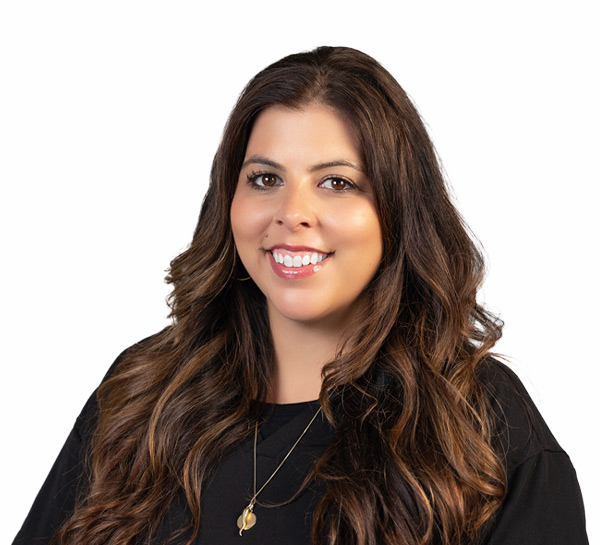
Plastic Surgery Clinical Nurse
Jocelyn is a dedicated nurse with over 16 years of experience, specializing in outpatient surgery where fast-paced care meets meaningful patient connections. Her love for people, sports, and laughter shines through in every patient interaction, making everyone feel cared for and at ease.