


Meet Jocelyn, a clinical nurse at La Jolla Cosmetic Surgery Centre who helps guide patients through surgery and recovery.
With more than 16 years of experience, Jocelyn has a calming, confident presence that instantly puts people at ease. From pre-op prep to post-op check-ins, she’s right there making sure you feel safe, supported, and truly heard.
Before joining LJCSC, she worked in compliance overseeing dozens of clinics, but she quickly realized her heart belongs at the bedside, building real connections with patients during some of their most vulnerable moments.
Jocelyn loves being part of the emotional side of transformation just as much as the physical, and she believes great care starts with trust, communication, and a little bit of laughter along the way.
Links
Read more about Jocelyn
Learn from the talented plastic surgeons inside La Jolla Cosmetic Surgery Centre, the 12x winner of the San Diego’s Best Union-Tribune Readers Poll, global winner of the 2020 MyFaceMyBody Best Cosmetic/Plastic Surgery Practice, and the 2025 winner of Best Cosmetic Surgery Group in San Diego Magazine’s Best of San Diego Awards.
Join hostess Monique Ramsey as she takes you inside LJCSC, where dreams become real. Featuring the unique expertise of San Diego’s most loved plastic surgeons, this podcast covers the latest trends in aesthetic surgery, including breast augmentation, breast implant removal, tummy tuck, mommy makeover, labiaplasty, facelifts and rhinoplasty.
La Jolla Cosmetic Surgery Centre is located just off the I-5 San Diego Freeway at 9850 Genesee Ave, Suite 130 in the Ximed building on the Scripps Memorial Hospital campus.
To learn more, go to LJCSC.com or follow the team on Instagram @LJCSC
Watch the LJCSC Dream Team on YouTube @LaJollaCosmeticSurgeryCentre
The La Jolla Cosmetic Surgery Podcast is a production of The Axis: theaxis.io
Theme music: Busy People, SOOP
Announcer (00:00):
You're listening to The La Jolla Cosmetic Podcast with Monique Ramsey.
Monique Ramsey (00:05):
Welcome everyone to The La Jolla Cosmetic Podcast. I'm your hostess, Monique Ramsey. My guest today is Jocelyn. She's one of the clinical nurses here at La Jolla Cosmetic Surgery Center. Welcome, Jocelyn.
Jocelyn (00:17):
Hi. Thanks for having me.
Monique Ramsey (00:19):
So tell us a little bit about what you do and how you help patients in the practice.
Jocelyn (00:25):
So I help patients on the clinical side, not in surgery. So I get to meet them at their pre-op appointment. We spend quite a bit of time together, usually about on average an hour. Sometimes it's a little bit more, sometimes it's a little bit less. And then we go through what to expect before and after surgery. Make sure you are as prepared as you can possibly be. And then I also see you about a week after surgery sometimes.
Monique Ramsey (00:54):
Oh, that's nice actually. Because if you're getting ready for surgery, you're making this acquaintance with you and learning all about what's going to happen, what to expect, which I think is so important as you're going into surgery to sort of know what's coming next. So in your head when you're there, you're like, oh yeah, they said it would be like this.
Jocelyn (01:15):
Exactly. Sometimes they even told me that. Yeah. Sometimes they even tell my patients, you're going to hear my voice in your head saying It's a journey. It's a journey.
Monique Ramsey (01:23):
Yeah. And so then getting to see them maybe a week after too for maybe drain removal or bandages.
Jocelyn (01:32):
Suture removal. Drain removal, staple removals. You also hear from me as well as my teammates very frequently, just to make sure everything's going okay.
Monique Ramsey (01:42):
Yeah. On the days that you don't come in the practice, maybe you're at home in bed and you get a phone call. Yeah. That's nice. Now, when they first meet you, is that, are they first maybe going to meet you in the pre-op or would it be earlier than that?
Jocelyn (01:57):
Sometimes I will do the consults with some of the doctors that I work with, which is really nice sometimes where I get to see them like, oh, yay, I just saw you a week ago, or whenever it was. But usually it's just at the first time I meet you was at the pre-op.
Monique Ramsey (02:13):
Okay. Let me have you dive into the experience you brought with you. What was your background and then how do you use that as you're helping patients at the surgery center?
Jocelyn (02:24):
So I have been a nurse for a very long time. At least I feel like it's, but at the same time
Monique Ramsey (02:29):
When you say very long time. How long is long?
Jocelyn (02:32):
Oh goodness. Since 2009.
Monique Ramsey (02:35):
Oh, okay.
Jocelyn (02:35):
Yes. So maybe not very long. Just long enough I guess. Yeah. So majority of my nursing career, I worked in outpatient surgery center, mainly doing the right when you go into surgery, I would do pre-ops with you. Sometimes I was in the or. And then I would also do recovery. That was the majority of my nursing career. And then I've also done a lot of compliance. So I would write policies, procedures. I've gone through many of audits for everywhere from the state to JCO to everything. So I like the patient care more than I like the administrative. So being able to just sit and talk with patients and making sure they're as prepared as they possibly can is really rewarding to me.
Monique Ramsey (03:24):
Well, and I would think though that administrative side and the compliance or regulatory side of medicine, having that background is so important, especially in a private clinic. We have our own accredited outpatient surgery center, so you're having surgery right on site with us in our own ORs, but they're fully accredited and you know what that means. And I think knowing also in the clinic how important these standards and policies and procedures are for patient care, that's like a level of safety that maybe some patients don't even think about.
Jocelyn (04:02):
A hundred percent. I mean, it's everything from washing your hands properly to making sure medications are not outdated, using 'em in the proper way. I mean, there's so much to it. And before I started doing compliance, I didn't even realize you actually need a policy on how to properly wash your hands. And it's just something that we do, but doing it in the proper way is different than just doing it.
Monique Ramsey (04:33):
That's true. That's true.
Jocelyn (04:34):
The little tiny things that you don't even think about.
Monique Ramsey (04:35):
Right. Well, and patients I think are so much more savvy than they used to be when I first started in this industry in 1991, you weren't born yet.
Jocelyn (04:50):
Oh, I love that you think that.
Monique Ramsey (04:54):
But there weren't any, I shouldn't say any, but there weren't protections in place for the plastic surgery patient, for the patient who is having a procedure in an outpatient setting. Not in a hospital, but in a surgery center. And so what was the setup of that? What were the protections to keep you from catching some weird bacteria? I mean, who knows?
(05:21):
So in 1996, they brought in some legislation to say that an outpatient surgery center had to have some accreditation, which was great. We already had it. We already believed in it, the level of safety, but it helped bring the whole industry up. And then I think patients, especially with the internet, you get more savvy, you start to say, oh, what are these questions I should be thinking about? Because of course, you want to know that your doctor's board certified, you want to know that you feel safe and that he's got a good plan and he has good results and he has good reviews. But then there's this back of the house kind of stuff that isn't maybe as obvious, but it is to keep you safe also.
Jocelyn (05:59):
A hundred percent. And it's not just those policies and procedures. It's really a way of life here. So safety is our biggest concern. That's what really attracted me even more so to La Jolla Cosmetic Surgery Center, is because not only is it an amazing place, but it's all about safety. It's making sure that we have the proper, like you said, accreditations. We're keeping up with everything. We are just doing the right thing for the patient in general, whether it's in the policy or not.
Monique Ramsey (06:36):
You're a patient advocate, I think as a nurse. And I think all of us working with patients, we are advocates in our own way, but truly from the informed point of view with your nursing background and to make sure that that patient's voice is being heard. Sometimes the patient thinks they're saying something, but they're not making a connection with the doctor. Like what's being said and what's being heard aren't necessarily the same thing. And you're almost an interpreter there too.
Jocelyn (07:06):
Definitely. Even in the pre-ops, honestly, when we're done with all of the medical history, I rephrase and make sure that we are both on the same page, make sure I've gotten everything that I needed from them, and I'm understanding exactly what they're saying because some patients have more of a complicated medical history, and I just want to make sure I have all the information that I can.
Monique Ramsey (07:30):
And it all goes back to safety.
Jocelyn (07:33):
Exactly.
Monique Ramsey (07:34):
Something that maybe the patient thinks is insignificant and I don't even need to bring it up might be really significant and it's important. And I think honesty. So you are a very easy person to talk with. And so I think they can make a bond with you where they feel safe to share whatever they need to share.
Jocelyn (07:56):
And honestly, that's the best part of my job, is being able to make those connections. Because we spend a lot of time together. And when you're first coming into your pre-op, you're really nervous or anxious and excited. Some people are more nervous than others, which that I a hundred percent get it. But being able to address those concerns and being able to have my patients' walls kind of come down and be able to talk, just chat with me. Let's talk about it. Let's talk through it. Where's your mind going? If I can't help ease your mind, we'll get those answers for you in whatever it is that you need. We just got to know. So being able to get that connection with them honestly is the best part of my job.
Monique Ramsey (08:44):
I bet. And I think having, from a patient point of view, having that point of contact that your nurse knows about you, and having that bond helps after surgery too. Because if there's something that you're worried about, if you don't have a bond with anybody at the office, you don't feel like, well, I don't want to bother anybody and Oh, I don't know who to talk to. And then you worry. You sit there worrying about something that could be completely standard and normal and you don't need to worry. And so having that pre-op visit not only sets the table for what's going to come, but it also then gives you that connection to be able to go, oh, I'm just going to text her and see exactly. Or this is worrying me. Is this right? Is it supposed to be this color?
Jocelyn (09:43):
And that's so funny that you say that. I seriously tell my patients. I'm like, here's the direct line to me as well as Juliana, my other partner in Team Cosmetic. And I'm like, we see this all the time. This is not something that you see on a regular basis. So if you have any concern, shoot a, Hey, is this normal? Don't be surprised if we asked for a picture, but is it normal? It would be easy for us to be like, you know what? That looks just as expected. I expect it to look like this at this stage of healing. Or let's have you come in and let's take a closer look at it. I feel like the hardest part for patients too is it's hard for them to understand.
(10:28):
This is really a journey. At first, you're going to come home from surgery and you're going to be like, what did I do? I'm swollen. I am bruised. I have drains. I am wearing an, either people love our brass or hater brass. I'm wearing this uncomfortable bra. What did I do? And after a few days, you're starting to feel a little bit normal. And when you feel normal, you're like, this is what it should be. And that's not the case. You have so much healing to do, so much. So that's a huge thing that I really try to instill in my patients. And that's why I'm always like, you're going to hear my voice in your head saying, it's a journey. It's a journey. Trust the process.
Monique Ramsey (11:13):
Right. Well, and I think in today's world of instant gratification, we kind of figure it's all going to be ready to go in three days, and you're going to be a lot better in three days than you were on day one. But that doesn't mean you're healed. And it doesn't mean that you can just, I feel like walking the dogs, I'm like, don't do it. Don't do it. Exactly. And it doesn't matter what surgery. I don't even care what surgery you've had. Just don't walk the dog in three days. It doesn't really matter. But it's a continuum for sure. And I think that very first one, again, doesn't matter what surgery you've had, you're like, what the heck have I done? Because you feel so weird and it's normal. And it doesn't matter whether you had your nose done, your eyes done lipo. You feel weird at the beginning and you're like, God, I was so normal yesterday and why have I done this to myself and paid for it?
Jocelyn (12:10):
And it's like you feel good one day and then the next day maybe you don't feel so good, and then you feel good and then you do a little too much and then you're not feeling so good. And it's like there's this page at the end of the pre-op book that I talk to my patients about every time. And during the pre-op, everyone laughs at it and they're like, okay, okay, Jocelyn. When we see them at six weeks, that is the most helpful page of the pre-op book because it is an emotional roller coaster. People don't realize it's not just a physical journey. It's an emotional one as well.
Monique Ramsey (12:42):
Right. And then we've had that page in our pre-op book since, I don't know, the mid nineties.
Jocelyn (12:49):
That's amazing. It's literally the best page.
Monique Ramsey (12:51):
It's the best page because, and you don't realize it when you're looking at it, but it does help you understand wherever you are on the journey, what's happening physiologically, what's happening mentally, what's happening. You might just be down in the dumps and you think it's you actually, no, it might be the normal.
Jocelyn (13:11):
Exactly.
Monique Ramsey (13:11):
Your body has got to go focus all its resources. Let's say I'm not a medical person. You can heal, but focus all its resources to healing whatever you've had done. So maybe your brain's got to take a little vacation, listen to a podcast or two, we've got hundreds here. And just sit back and let, like you say, trust the process. Now, what led you into the aesthetic side of medicine? And was that first here with LOA cosmetic or did you have other background in the more fun part of medicine?
Jocelyn (13:47):
Exactly. It's the fun part.
Monique Ramsey (13:49):
It is, right.
Jocelyn (13:50):
It definitely is. No, La Jolla Cosmetic is actually my first position in aesthetics. But I've always been intrigued because to be able, I mean, my previous jobs in medicine, it's like I see people more at their lower points and I get to help them. And when they first see me, it's not like they're excited, they don't want to be there. They're not feeling well. So many things. But here, people are coming and they're excited. Yes, they're nervous, but they're excited. This is an elective surgery. They want to be here. And to be able to be part of someone's journey to make them feel better about themselves in whatever way it is, is indescribable.
Monique Ramsey (14:35):
So what have you found, especially being able to compare and contrast your favorite part of working in aesthetic medicine?
Jocelyn (14:43):
It's the connection with people. I love helping people. They're coming into their pre-op, they're nervous, they're anxious. There's always questions in the back of their head that they feel silly asking. And so being able to kind of, like I said, lower their walls, let them speak freely. Let's talk about it. I want to know what's going on in your head, even if you think it's ridiculous. It's not ridiculous to us. We can, let me ease your mind.
Monique Ramsey (15:09):
Right. And being able to have, I think from the patient side, that buddy system with your nursing team is really important. And just, I think our nursing team is just the best. And you really all work so well together. And every time I come in, it's like you're genuinely having fun. Even if it's super busy and you're a little bit stressed out, you all get along so well. And you can feel that. I think from the patient point of view.
Jocelyn (15:40):
That's awesome.
Monique Ramsey (15:40):
That must be kind of nice too.
Jocelyn (15:43):
It is, cuz I worked at other places and it's like, here we really have each other's back. Someone's fallen, your doctor's running a little bit late, somebody goes and helps. Pick up the slacks, make sure that your next patient's roomed for you. Make sure everything's ready. It just having that team camaraderie, knowing that you're never alone. You always have people to count on. And I really hope that our patients feel that from us as well.
Monique Ramsey (16:13):
Well, and that's one of those things you can't measure on a chart. I know we like data, but you can't really measure that on a chart, but you can feel it. You can feel it when you walk in. And our CEO Marie said way back when in the early nineties, she said, patients come in and they can take the emotional temperature of the practice. And sometimes you don't know what it is when you come in, but if you feel like it's just not right or feels tense or it feels weird and you can't maybe put your finger on it. So I think when you come in, we can be really busy. We have six surgeons, and sometimes at any one time, there's a lot of patients in the office, so things can be busy, but there's not that undercurrent of a negative emotion. It's like, okay, let's do it. We got this. And yeah, exactly. And I love that kind of team spirit is so nice. And
Jocelyn (17:13):
It's something you can't teach people. It's innate.
Monique Ramsey (17:16):
This is very true. I think Nordstrom, they used to say, hire the smile, train the style. Meaning you can't teach somebody how to be a happy person, how to be a helpful person, kind of all those things that are more emotional. You can't teach that. And when people try to fake it, you can tell, but you can train how we do things. What's the Nordstrom way? And you can train the style as long as you've got that person, I guess emotionally on board and philosophically on board. And so that's kind of what we've always lived by.
Jocelyn (17:54):
In nursing, you can't teach bedside manners. You can teach skills, but you can't teach bedside manners. And everyone here is amazing.
Monique Ramsey (18:05):
Well, now tell me a little bit about you. We kind of dived right into your job, but did you grow up here in San Diego or where did you grow up?
Jocelyn (18:12):
I am one of the few San Diego natives that are left here. I feel like everyone's from somewhere else. But yeah, I was born and raised here in San Diego. I grew up in Scripps Ranch, like that little area. I love that area. But I also had family that lived in Mission Hills, kind of all over San Diego.
Monique Ramsey (18:33):
Oh, I love that. I'm a San Diego native too.
Jocelyn (18:36):
Oh. You don't meet too many of us.
Monique Ramsey (18:38):
I know. Well, and my mom and my aunt both were born and raised here too.
Jocelyn (18:42):
That's amazing.
Monique Ramsey (18:43):
I'm second generation. My kids are third, so it's kind of fun. But you're right, it's like it doesn't matter who's playing the Padres, they've got a whole bunch of fans from wherever they came from. Especially if it's Chicago or cold places.
Jocelyn (18:56):
That's true.
Monique Ramsey (18:56):
They all want it. They're like, oh yeah, San Diego. I'm a transplant. Exactly. Alright, so what do you like to do outside of the office?
Jocelyn (19:06):
Well, I have two kids and I'm always either at baseball practice, football practice, dance practice, cheerleading. But when the kids don't have their extracurriculars, we love going to Padre Games or a big baseball family. We love to go hiking. We just enjoy San Diego.
Monique Ramsey (19:28):
Where's your favorite place to go hiking?
Jocelyn (19:30):
I actually just took my kids to Mission Trails for the first time to go up that mountain.
Monique Ramsey (19:37):
I'm nodding as if I, I have no idea what you're talking about. I don't hike.
Jocelyn (19:41):
Oh.
Monique Ramsey (19:44):
I'm like, yeah, yeah. Oh yeah, the hill. Yeah.
Jocelyn (19:47):
No, there's this big mountain and then you also can come down it and there's a beautiful little, it was after rain because we just had some rain here, and there's a beautiful little brook, and my kids were so anxious to go up that mountain. I was like, you guys got this? And they did it, and we had so much fun.
Monique Ramsey (20:05):
Oh, nice.
Jocelyn (20:06):
Yeah. But we usually just do Tecolote, like Tecolote Canyon, especially now that Torrey Pines is closed for a little bit.
Monique Ramsey (20:14):
Yeah, that's what I heard. I don't know, what are they? They're redoing something up there, which is probably good. We don't want to fall off of it.
Jocelyn (20:20):
Definitely not. That would've really put a damper on the hike.
Monique Ramsey (20:24):
Yeah. Yeah. Okay. So would you say to somebody like me who's not a hiker, do you start on mission trails or do you not? Do you start somewhere else and then get, work your way up?
Jocelyn (20:34):
You can start it on mission trails. There are some easier little paths. Yeah.
Monique Ramsey (20:40):
Okay. Alright. So maybe next time I see you I'll have done that.
Jocelyn (20:44):
Exactly.
Monique Ramsey (20:47):
There's always a first. Monique, you can do it.
Jocelyn (20:49):
You got this. You can do it. You can come with me and the kids. We got you.
Monique Ramsey (20:53):
There we go. Yeah. Well, thank you. That's nice. I might actually take you over that sometime.
Jocelyn (20:58):
Yes, please.
Monique Ramsey (20:58):
So what advice would you give to somebody who's coming to La Jolla Cosmetic Surgery Center for the first time?
Jocelyn (21:05):
Take notes, number one, and go with your feeling. You have to have a connection with your surgeon. Go with it. And also, any question that you have is not a silly question. Make sure you answer it. If you leave your consult or even leave your pre-op and you're like, I wish I would've asked this. It's just going to be nagging at you in the back of your mind. So let's get it answered.
Monique Ramsey (21:32):
Right. Before we wrap up, I want to just dive into something kind of more a fun topic, skincare. So I know that we do have, depending on the surgery you're having, we have some preoperative skincare and skincare that we want you to use afterwards. Do you go over that with them at the pre-op? I do.
Jocelyn (21:58):
It comes in the cute little bag that has our logo on it. We take all of them out. I go through each one, tell you how to use it, when to use it, what it's good for.
Monique Ramsey (22:08):
We use Alastin. And Alastin is right up in Carlsbad. And they were developed first for post laser surgery, post derm abrasion. That was kind of the core of the line was this nectar that really helped prepare your skin. pre surgery. So you use it before and then afterwards. And their line has grown and grown over the years and it's such a good line. And it's really, I love it. I love the fact that we have it built in for most surgeries to help support your, whatever area you're having done. Because I think we had, there's some body products, there's some breast products. So along that line, before we wrap up for our listeners of the podcast, we give $25 off of it, $50 or more of Alastin. So let me ask you, Jocelyn, if somebody were going to give you 25 off of 50 or more, what product would you purchase?
Jocelyn (23:10):
There's so many good ones. I know. I do have two favorites though, so it's really hard to choose between them.
Monique Ramsey (23:16):
Okay.
Jocelyn (23:16):
Restored.
Monique Ramsey (23:17):
Well, I'll let you choose both.
Jocelyn (23:17):
Okay, perfect.
Monique Ramsey (23:19):
I'll give you 25 twice. How's that?
Jocelyn (23:20):
Ooh, I like it. I love the restorative skin complex. Love it. That and our radical vitamin C serum.
Monique Ramsey (23:30):
I haven't tried that one yet.
Jocelyn (23:31):
It's amazing.
Monique Ramsey (23:32):
Is it good?
Jocelyn (23:32):
It's really good.
Monique Ramsey (23:34):
So I'm addicted to the hyaluronic acid one. The HA. That's really, I can't remember what it's called, but use it like HA serum. Okay, there you go. I use it sort of before I put on my makeup. I'm not super great about a lot of different products before makeup. I can do like one, and that's the one I pick really, because it's almost like it can give you a little plumpness. It's a nice base for before you put your foundation on. Jocelyn, thank you so much for joining me today.
Jocelyn (24:05):
Of course.
Monique Ramsey (24:05):
This was a fun way to get to know you and get to know how you help in the practice. And for everybody listening, don't forget to subscribe, like, share. I don't know. We have now 200 and I don't know what we're up to. 2 10, 2 20. Thanks for listening.
Jocelyn (24:21):
Thanks for having me.
Monique Ramsey (24:22):
And we'll see you on the, yeah. Thanks for coming. We'll see you on the next one. Bye.
Announcer (24:30):
Take a screenshot of this podcast episode with your phone and show it at your consultation or appointment, or mention the promo code PODCAST to receive $25 off any service or product of $50 or more at La Jolla Cosmetic. La Jolla Cosmetic is located just off the I -5 San Diego Freeway in the Ximed building on the Scripps Memorial Hospital campus. To learn more, go to ljcsc.com or follow the team on Instagram @LJCSC. The La Jolla Cosmetic Podcast is a production of The Axis T-H-E-A-X-I-S.io.
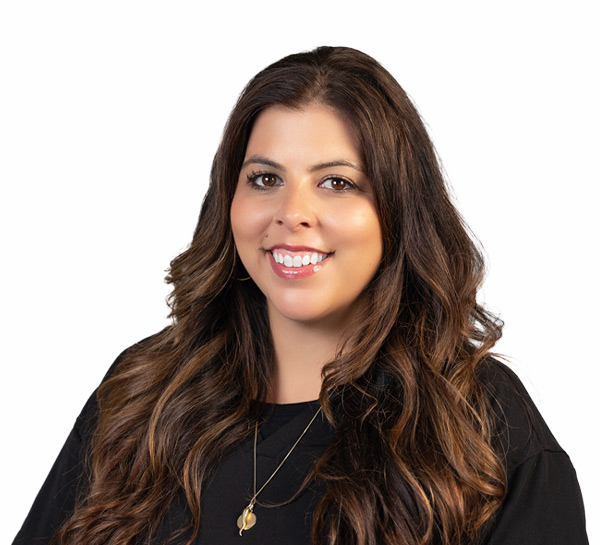
Plastic Surgery Clinical Nurse
Jocelyn is a dedicated nurse with over 16 years of experience, specializing in outpatient surgery where fast-paced care meets meaningful patient connections. Her love for people, sports, and laughter shines through in every patient interaction, making everyone feel cared for and at ease.