Bigger isn’t always better, and women are realizing it after living with breast implants. San Diego plastic surgeon Dr. Luke Swistun talks about the shift toward smaller, more natural-looking breasts. Everyone on social media is calling them “yoga...


Bigger isn’t always better, and women are realizing it after living with breast implants.
San Diego plastic surgeon Dr. Luke Swistun talks about the shift toward smaller, more natural-looking breasts. Everyone on social media is calling them “yoga boobs” or “ballerina boobs.”
Hear why more women are choosing to remove their implants, what they want instead, and how you can still get shape and volume using your own tissue.
Sometimes the result you’re happiest with is the one that feels the most like you.
Links
Meet San Diego explant surgeon Dr. Luke Swistun
Book your free breast implant removal consultation with Dr. Swistun
Listen to our previous episode, Fuller Breasts Using Your Own Tissue? Auto-Augmentation Explained
Listen to our previous episode, What Really Happens to Your Breasts After Implant Removal
Learn more about breast implant removal
Learn from the talented plastic surgeons inside La Jolla Cosmetic Surgery Centre, the 12x winner of the San Diego’s Best Union-Tribune Readers Poll, global winner of the 2020 MyFaceMyBody Best Cosmetic/Plastic Surgery Practice, and the 2025 winner of Best Cosmetic Surgery Group in San Diego Magazine’s Best of San Diego Awards.
Join hostess Monique Ramsey as she takes you inside LJCSC, where dreams become real. Featuring the unique expertise of San Diego’s most loved plastic surgeons, this podcast covers the latest trends in aesthetic surgery, including breast augmentation, breast implant removal, tummy tuck, mommy makeover, labiaplasty, facelifts and rhinoplasty.
La Jolla Cosmetic Surgery Centre is located just off the I-5 San Diego Freeway at 9850 Genesee Ave, Suite 130 in the Ximed building on the Scripps Memorial Hospital campus.
To learn more, go to LJCSC.com or follow the team on Instagram @LJCSC
Watch the LJCSC Dream Team on YouTube @LaJollaCosmeticSurgeryCentre
The La Jolla Cosmetic Surgery Podcast is a production of The Axis: theaxis.io
Theme music: Busy People, SOOP
Announcer (00:00):
You're listening to The La Jolla Cosmetic Podcast with Monique Ramsey.
Monique Ramsey (00:05):
For a long time, breast augmentation was all about going bigger. Now patients are asking the opposite, how can I look more natural or even go smaller? So today we're going to talk about this shift towards softer, more subtle breast shapes, like what people might call a yoga boob or a ballerina boob or an ice skater boob and how that's showing up in Dr. Swistun's practice. So as you may know, Dr. Swistun specializes in breast explant surgery and rebuilding the breast after implant removal. And so he sees this from a very unique perspective. So welcome back to the podcast, Dr. Swistun.
Dr. Swistun (00:46):
Oh, thank you for having me, Monique.
Monique Ramsey (00:48):
So we're hearing this term like yoga boobs and ballerina boobs and hybrid breast augmentation. What does all this mean and what are you seeing from patients who are coming into you?
Dr. Swistun (01:00):
Sure. You're right. So we're hearing it. I'm actually hearing it from my patients. It's not something that I heard anywhere else except maybe more recently on social media. But the first time I heard it was basically from a patient who was explanting. She was removing her implants and she had a little bit of tissue of her own. And she said, "Well, if we just use my own tissue, can I get a nice yoga boob?" I'm like, "So what's that? " It's like, "Well, that's like a small, tight, youthful contour that is not excessive, but definitely not nothing. Just so if I put on a nice yoga outfit, then it looks like I have an athletic figure with just enough volume up here to compliment me as a female without being excessive." And I'm like, "Oh wow, that definitely makes sense. Let's try that. I think you have enough tissue for us to get there." And we did and she was very happy.
(01:45):
And by the way, we do have a lot of before and afters that we can show up this because this is probably the most common scenario that I actually have. And then other people, other patients started coming in with very similar requests. And it's funny how different patients name it different things, but basically mean or aim to describe the same result, which is what you already mentioned. One said yoga boobs, another one called it ballerina boobs. And interestingly enough, because of the winter Olympics and because one of my patients was actually a professional Olympic level ice skater, she said, "Can I hit ice skater boobs?" Which I think boiled down to basically the same result. Like I said, a small but youthful contour, definitely not too big, but also something that compliments a very athletic figure. And I've noticed that as a trend happening for a long time now over the last couple of years, it's patients, especially after explanting and doing a lift, lift with auto augmentation, just felt very, very comfortable with that new physique.
(02:44):
A lot of times they're actually very surprised how comfortable they feel, not just physically, but also with their appearance. It's like, I just feel like my breasts are not overwhelmingly big. I don't have to hide them anymore. I can just enter the room without worrying about people staring at me, that kind of stuff. So there's just a lot of surprising benefits, surprising to the patients and surprising to me about how they describe their experience afterwards.
Monique Ramsey (03:09):
And why do you think there's been this shift? Because obviously the 80s and 90s was kind of like in your face, your breasts entered the room before you did and it was like that's what people were looking at. It's like, no, no, no, look up here, look in my eyes. But now there's always probably pendulum shifts in fashion and in plastic surgery too. But why do you think it's sort of moving this towards this more natural, smaller breast?
Dr. Swistun (03:39):
Sure. Well, I don't think that the large breast look will ever go away. I think there's definitely going to be a desire for that in some populations and especially patients who are smaller and they are seeing certain images in the media, less so now, but more so in the, like you said, a couple years ago. However, I think there is a big shift towards just being natural, I guess. There's lots of patients shifting towards natural foods and less processed foods. And there's a whole vaccine controversy, all these medications, controversies of like whether or not we need to be on this stuff. And just like being natural tends to be the trend. And I think this is along those lines of just like, while I don't need this excessive augmented silicone looking fake breast to be feminine, I can just be myself. And a smaller athletic figure is also another thing that's accepted.
(04:33):
Patients are turning towards maybe not just natural, but more like also athletic and that smaller breast volume definitely complements the athletic figure a lot more even aesthetically appearance wise. The more important part about that is that it actually is a lot more functional as well. Having large breasts, especially augmented implant augmented large breasts is actually very inconvenient. For anyone that has large breasts under the muscle, they know it's very hard to do a pushup because your muscles are out of place to do that. So there's literally an object in the way of that, that implant. They're heavier, they descend over time, which affects your posture. And patients are just less athletic and less motivated to do things just because they're just more tired every day. And if you reverse that and give them a smaller youthful contour which sits higher on their chest wall, they all just, a lot of them become a lot more active, a lot more engaged in their upper body exercises and just enjoying that whole experience a lot more.
Monique Ramsey (05:36):
Yeah, like less restricted movement, I would think.
Dr. Swistun (05:39):
Absolutely.
Monique Ramsey (05:40):
I mean, even if you have large breasts without a breast implant, they can kind of get in the way.
Dr. Swistun (05:45):
Absolutely.
Monique Ramsey (05:45):
So that makes a lot of sense.
Dr. Swistun (05:47):
Absolutely. Patients with large breasts, patients who are born with large breasts have shoulder, neck and back pain a lot of times, and they get breast reductions. And if you ever talk to anybody that got a breast reduction, they will tell you, "This is the best thing I've ever done for myself. I wish I did it 20 years ago." So patients with large implants put themselves in that same category, but they do get that same benefit by just going smaller.
Monique Ramsey (06:08):
Right. And so when somebody's coming to you for breast implant removal, what is their biggest thing that they're hoping to achieve afterwards?
Dr. Swistun (06:16):
Most of my patients are very realistic. They know that how much volume comes from that implant. A lot of them say like, "Well, I was an A+ or an A- or a small B when I started." If I could just get back to that, that would be awesome. And that's a lot of times the expectation. The other way to put it is if you can get the shape to be what it was when I was my early 20s or before kids, before weight gain, before all these life events that sort of happened, that's really their goal. And that's, I think, the most realistic goal that a patient can have. The augmentation obviously makes the breast larger. It causes the skin to grow around that breast. If you happen to breastfeed on top of that after an augmentation, then that breast will expand even more, that skin will grow even more.
(06:59):
And then what happens 20, 30 years later is that we have basically the same volume of breast that the patient had long ago, but is distributed over a larger area with a lot more skin holding it in place. And that's why the breast becomes basically lower and wider and pancakes out, for lack of a better word. So our job is to basically gather that tissue back up to where it was before. It's just maybe stack it on itself, readjust that skin envelope, tighten it up, but give that patient basically what they had before all those life events happened.
Monique Ramsey (07:32):
Yeah. And we had a podcast where we talked about the sort of remodeling the breast. And if you could just touch on what you call that and how that works.
Dr. Swistun (07:43):
Most people think of it as a lift. They would do an explant and a lift. I think there's a few more steps we can take to basically preserve all the breast tissue that's there. So my technique would involve auto augmentation, which basically means taking some extra time to remove the skin, but preserve even the thinnest tissues around that had been stretched out and kind of repositioned in different places, really narrow in that breast footprint from low and wide back to high and tight, and then take all that tissue that's available in that area and then just restack it like a three-dimensional puzzle in order to get that central projection and a tighter, higher youthful contour. And then the last step is basically taking the skin and then just rewrapping the skin around that tighter youthful contour and then positioning the nipple where it's supposed to be again. So basically it's a lift with tissue preservation.
Monique Ramsey (08:37):
Okay. And so auto augmentation, we'll put a link in the show notes to that whole episode. What would you say are the biggest concerns that women have about how their breasts are going to look after the implants come out?
Dr. Swistun (08:51):
Well, it's always shape and volume. And obviously for a lot of patients who are coming in and they have made the decision to remove their implants, the volume is the concern, right? Sometimes the shape is already there. Sometimes the breast has not changed a lot with that implant, especially if the implant was a smaller size, especially the patient hasn't breastfed or had kids, then explanting gets them pretty close to what it used to be. And then the only other option to add volume to a breast that's smaller would be fat grafting. So a lot of patients go that route, and then they do get that yoga boob or a ballet boob effect. Some patients never had a good shape. I do hear a lot about patients who basically come back and say, after we explanted and did the lift with auto augmentation, this breast actually looks better than it ever did.
(09:38):
It was better than when I was born because back then the nipple was too low and stuff like that. So reshaping it, we can't get that ideal shape when we're rearranging that tissue. As long as we get the landmarks in the right place, things work out really well.
Monique Ramsey (09:51):
Well, and I think a lot of people may not know that you can get the volume without using an implant. And you're saying you can use what's already yours, whether the tissue, you're rearranging the existing breast tissue and/or adding some fat. And that's nice for people. And I think especially obviously for people who want their breast implants out, that's a wonderful thing because that's what they want in the first place. Now they're like, "I don't want that implant in me for whatever reason," that there's a way to sort of achieve the same thing they're looking for. And would you say for a brand new breast augmentation, they've never had implants, but maybe they're looking just to add volume, how would you approach that?
Dr. Swistun (10:43):
It depends what they're looking for. Again, we would look at the shape and make sure it's not the shape that bothers them, that it's actually the volume, because a lot of times patients do have a good volume, but maybe the nipple's too low or maybe they were born in a way that their breast is somewhat tuberous or something like that. And then sometimes if you ask them the simple question like, "Well, if you take a non-padded pushup bra and put them in that pushup bra, is that enough volume for you? " And a lot of times the answer is yes. I'd be like, "Yeah, yeah. I mean, if they just stayed up here, they'd be great." Okay, great. You don't need more volume. You just need a rearrangement of the tissue you already have. So let's use what you have and then just reposition it so that you have a youthful counter rather than the counter you're unhappy with.
(11:24):
Some patients do say like, "No, no, that's actually too small. I wish I had more volume." Well, then your only two options for adding more volume is fat grafting, which has its own set of limitations. I think we did a whole podcast on that, so we can refer to that, but it does work for adding sustained permanent volume to the breast, but it has its own limitations and nuances. And that is usually a modest augmentation, unless you do it multiple times, which can be done. So there's some patients that actually do serial breast fat transfers and they just sort of keep building on that result and eventually get to the point where they're happy, assuming they have enough fat to harvest from the rest of their body.
Monique Ramsey (12:04):
Right. Minor detail.
Dr. Swistun (12:07):
Minor detail, but those are great results. And we actually plan that. There's three patients that I had that I went through that whole process where they actually scheduled serial fat grafting. They basically said, "I wanted to have the biggest breasts I can, but I never want an implant. What can we do? " Well, we can do fat grafting maybe more than once. So when patients commit to this, we actually plan which areas we're going to liposuction at which time in order for us to optimize that entire thing. And at the end of the day, yes, it's multiple surgeries, it's a lot of recoveries, but that is their lifelong result where we basically reshift all of their fat into the place where they want it and sort of take it away in an aesthetic fashion from the places where you don't necessarily want it so that as they continue to go through life, their figure is altered in a way that'll age a lot more gracefully for them later.
Monique Ramsey (12:53):
Right. And then they're not dealing with an implant down the road, changing it out and-
Dr. Swistun (12:57):
Exactly. So if you think about it, it sounds scary at first to commit to multiple surgeries in order to get your breast augmentation. But if you are putting an implant in, you are already committing to multiple surgeries because that implant is not forever, that implant will have to come out, be either removed or replaced in the future. And then if you remove it or replace it, sometimes it's multiple times. I've had patients who removed and replaced five times over three or four or five decades. And eventually at the end of the day, everybody comes back to square one, which is like, "Well, I made the decision not to have them. What can we do now?" So brilliantly, some patients arrive at this right away. They're like, "Well, I never want an implant. Why would I want to go through that whole cycle of removing and replacing?
(13:42):
Let me get something permanent right away, and then I won't have to deal with this later on. " And they commit to multiple surgeries, multiple fat grafting of their breasts over a span of a year or two. And obviously that can be done at their convenience. It doesn't have to be done exactly on a certain schedule. And then as soon as they're happy with the volume that they get, they're done.
Monique Ramsey (14:06):
And it's permanent and it's 100% you, which I think is really, really nice. And you're right in that the trends that we're seeing, whether it's through the media online or wherever, even just at your local coffee shop, you notice how people are dressing and things they're wearing and how they're presenting themselves. And we live in Southern California, so people are very healthy here and it makes sense that if you want to eat cleaner, you want to sort of live cleaner, this is another part of that lifestyle. Now, are there limits to what you can achieve after an explant depending on skin quality or their tissue? And how do you approach that with the patient implanting?
Dr. Swistun (14:54):
Well, yeah, everybody's different. Patients present all kinds of ... With different ages, they present with different volumes of tissue, and they also present with different surgeries that were already done on the breast, which may have an effect on the blood supply to certain parts of that breast, which may affect whether or not we can use those portions of the breast. So it gets pretty complicated. It's a very individual conversation with every single patient.
Monique Ramsey (15:18):
And at the top of the show, I was giving different examples of terms that I'm seeing online, and one is a hybrid breast augmentation. What is that? And is that something that you ever recommend to patients?
Dr. Swistun (15:31):
So a hybrid breast augmentation is basically an augmentation with an implant, like a small implant, and also fat grafting at the same time. That's not something I've ever done, but it's not difficult. It's a concept, but basically explores sort of adding volume in the two ways that we know how to add volume. One is with fat grafting, and I guess if somebody has very little tissue of their own, then the more tissue we can build into their natural breast, the better, because then whatever implant we put in there would be hidden underneath their natural tissue, so the entire breast would feel a little bit more natural, look a little bit better. And then if someone has very little tissue and maybe very little fat and they do want a bigger result, well, the only other way to add volume in that scenario would be with an implant.
(16:19):
Interestingly, I've actually heard that term, yoga boobs or ballerina boobs be used with a hybrid augmentation. And I don't suppose that it's incorrect. I think ultimate result when somebody's describing yoga boobs, they're giving you a description of a very specific look, small, high aesthetically athletic breast. How we get there is basically up to what the patient has to offer with regards to what their body has, the tissue that's available, and then other options like the implant, for instance. In my personal experience with a lot of patients who are explanting, the vast majority of them actually get there without an implant afterwards. They choose to go smaller. And if we use everything that we can in this area alone with and a lift with an auto augmentation, about 80% of the patients don't come back for more volume. They say like, "Well, this is actually good enough. I'm aware that I could do fat grafting on top of this to give it more volume, but I don't think I need it. I think this is enough to compliment my body. This is what I was looking for. " About 20% of the time, they will come back for fat grafting and give themselves a little bit more volume in that already ideal breast shape. I find that the patients who come back fall into two categories. Number one, it's a patient that really had very, very little volume to begin with. And after all the effort of preserving everything, they still have less volume than they're happy with and they're just wanting more volume. And then the other category of patients is the ones that we're going to have liposuction anyway. And then they say like, "Well, if instead of throwing away the fat that we're going to get out, just kind of use it. Let's put it in the breasts." And makes all the sense in the world.
Monique Ramsey (17:59):
Yeah, exactly. Now, have you ever had a patient who had an explant and years later said, "I need to have implants again. I want that fullness." Have you ever had that happen?
Dr. Swistun (18:13):
So mind you, just keeping it in perspective, in my personal experience, again, I've done well over a thousand explants at this point. And for some patients to come back and actually request an implant to be put back in is very rare. I know that there's one patient that did do that to my knowledge, and she was actually debating on that decision for two or three years before she ... It was actually about two and a half years. She was kind of going back and forth. She's like, "I do feel better. I like the fact that I don't have a foreign object in my body, but I am very thin, very, very small." It was a scenario where a patient was tall and very thin with very little volume on her chest and she just wanted that confidence back despite the fact that it involved an implant in her case.
(18:54):
There are two other patients that I'm aware of that are considering it and they've actually approached me about it, but they still haven't made the decision. And I'm sure there's other patients that just went elsewhere that have probably implanted that I don't know about. I'm not naive enough to think that nobody does, puts implants back in. I'm aware of the fact that there is implant or explant regret groups out there.
Monique Ramsey (19:14):
Oh, really?
Dr. Swistun (19:15):
I think those numbers are small, but they're definitely out there. I mean, there's a whole gamut of how people feel as they go through life.
Monique Ramsey (19:23):
Yeah. And I think also that's very, I mean, coming from a woman's perspective, it may be age dependent too. If you're in your 20s or early 30s, that might be something you're like, "Yeah, okay, I really want this now." If you're in your 50s or 60s, you might say, "Well, I want to look great, but I also don't want to have to deal with a lifetime of switching out these implants or the downside that might follow of you could have a capsular contracture, you're going to have to probably change them out at some point." And so maybe age has a little bit or place in life has something to do with it too.
Dr. Swistun (20:01):
Age, place in life preferences as far as do I value comfort more over the inconvenience of having that look, that voluptuous look, I think that's a priority that shifts. There are a lot of patients who will say like, "I had my implants for 20 years. I actually enjoyed them a lot for the first 10 or 15, but now they're just becoming uncomfortable and I'm kind of ready to just be a little bit more comfortable and that look is less of a priority." And that's just life shifts. That's like if you're young and single, you want to live in the big city and the skyscraper next to where all the action is, but then you get in 40s and you have two kids and you're like, "No, I think the suburbs are more comfortable."
Monique Ramsey (20:43):
Right, exactly. How much do you think that the shift is like aesthetic preference or more concerns about sort of long-term health or lifestyle?
Dr. Swistun (20:56):
I think the decision to explant drives patient ... There's different drives for different patients. Sometimes they just have implant complications. Sometimes they're recurrent and they're just tired of dealing with the complications and they just want to close that chapter. Sometimes they just want to be a little bit more comfortable. Sometimes the aesthetic changes. It's like back then when I was younger, I really liked that attention and that look, but right now I'm hiding them. I'm actually downdressing and I am intentionally putting my shoulders forward so that they're not so prominent whenever I'm in a public situation. What I find that is pretty consistent is that a lot of patients are surprised after we explant and maybe do the lift, really optimize the shape. They're actually surprised that they're very comfortable with that new, smaller look, not just physically so they have to carry less on their shoulders, but also mentally and aesthetically that they're like, "Oh, actually this is a good look for me."
(21:52):
The two compliments that patients report after we explant and do a nice lift is that, "Oh my God, you look so much younger." Or, "Oh my God, you lost so much weight." And the patient's like, "No, the only thing I did is I removed my implants and got a lift. I did not lose weight and I did not age backwards." But if you think about it, if you think just kind of subconsciously about a group of young women, let's say you're in a college campus or in a high school campus and just kind of close your eyes and picture that you will typically picture somebody who is taller and thinner with probably a little bit of a smaller breast. This is before they had kids, before they gained weight, before these things. So I think a smaller, higher breast is immediately subconsciously associated with youth.
(22:38):
And I think that's the feedback I'm getting from a lot of these patients is like, everybody tells me I look younger and I didn't do anything except that. Well, yeah, I mean, that's sort of the aesthetic that people are going to associate with. This is somebody who's taller with a smaller breast, they're probably younger. And then weight loss is another comment. And I think that makes sense as well. If the breast is large, typically it's off to the side. Typically, it's a little bit lower that will add to your overall physique and how you carry your shoulders and makes you look a little bit heavier and matronly and older. And if you have removed the implant and just do a lift and they're higher and tighter and more central, less side, then that patient will look like they lost weight.
Monique Ramsey (23:18):
Yeah, for sure. And what would you say is kind of the surprises that patients tell you about that procedure and recovery process and sort of like what they thought about what that recovery was going to look like versus how it really was?
Dr. Swistun (23:36):
Most patients are more comfortable than they expect. They think it's going to be more painful and they kind of prepare for the worst. And I think we have some role in that because we do say like, "Oh, this is your medication that you're going to use for pain control. If this doesn't work, then you go to plan B with this one. And then if that doesn't work, you have this other stronger one that hopefully you don't need." But we basically set the stage for success and we give them a lot of options, which kind of makes it sound like there's going to be a lot of pain, but then they're like, "Oh, you know what? I never really needed the strong ones. I think the Tylenol and the Celebrex was just enough. As long as you stay on it for the first couple of days, then that's pretty comfortable." The other thing is it makes sense anatomically because a lot of times with the implants under the muscle, that muscle has been on tension for 20 years.
(24:20):
If you get the implant out and allow the muscle to go back to its normal anatomic position, they feel lighter and better right away. Their posture thanks them right away and they notice that. Personally, one of my goals is to just be as precise as possible with every one of my surgeries, so I cause the least collateral damage. So whenever I get the capsules out, it's usually just not even by a lot of dissection or boving or cautery around the capsule. It's a lot of it's just like separating the tissues away to get that capsule out. So that doesn't cause a lot of damage. And I think patients notice that afterwards is that they're usually a little bit more comfortable or a lot more comfortable than they expect it to be. And then there's another problem that we run into where they start doing too much too soon and then we have to like slow them down until they're actually like healed before they start going back to the gym and like shopping for groceries and bringing in their milk jugs from the grocery store.
Monique Ramsey (25:11):
Yeah. Now, if somebody comes to you and feels like their current implants just are feeling too fake or too done, what are the options you walk them through?
Dr. Swistun (25:22):
Basically, we examine the patient first and see where everything else falls. Where is the nipple relative to the sternum? Where's the nipple relative to the bottom of the breast? Where's the fold? Have things shifted dramatically? And depending on our exam and the landmarks that the breasts already have, then we have different suggestions. Obviously one would be to remove the implant and just let things settle back down, see what happens. If patients don't have a favorable shape, then a lift or lift with auto augmentation, a lift with fat grafting as an option. Some patients just go smaller. It's not a common patient that I'll get. It's not a common scenario, but there's a lot of patients who do feel more comfortable with a smaller implant. A lot of times they'll say like, "Well, this big one, I went for a big one because they said go big or go home." So I went with the big one.
(26:13):
Or they'll say, "Well, the surgeon decided that the big one looks better on me. So for whatever reason I wanted to see, but I woke up with double Ds and now I'm stuck with these." That happens sometimes too. So just going down a smaller size makes a huge difference in how comfortable they are. They still have an implant, so there's those issues and they're still not done. They will have another surgery for that smaller implant, but a lot of times the postural consequences of a smaller implant are dramatically less than those for a larger implant, especially if it's under the muscle. There are patients who I know who basically went big first and they're basically gym rats. They spend a lot of time in the gym every day. And they said with the big implants, there's certain exercises I absolutely could not do and I was very uncomfortable during all of those.
(27:00):
And then I downsized and then I was actually fine and I like my smaller augmentation and I was very functional at the gym again. So that makes a big difference, especially once you go beyond a certain threshold. For some patients, I think there's like a happy medium of like, "Okay, this is tolerable and still looks good." If you go beyond that, they just become uncomfortable pretty quickly.
Monique Ramsey (27:21):
Yeah. Yeah. So what would be the one thing you would want patients to be thinking about as they go into if they're either thinking about downsizing or maybe removing their implants altogether?
Dr. Swistun (27:34):
I guess whenever a patient is considering doing some change to their breasts, I would say that consider the fact that the implant is not the only option because that's sort of a common misconception. It's like, "Oh, I don't like my breasts. Let's get a boob job." What is that? Oh, it's an implant. Well, maybe not. Maybe it's the lift or maybe it's fat grafting or maybe it's a combination of a lift and fat grafting or maybe it's a combination of fat grafting and an implant, but it's the implant and done is not the only option.
Monique Ramsey (28:02):
Well, we have so many things we talked about today and we have other episodes that are definitely go a little deeper into the topic. So we'll put all that in the show notes. And then we've even have a few of your patients who have come on the podcast and told about their experience. So we'll also put that in. And I have one of them coming back to record an episode with me next week. A couple years later, it's been three years. How is she doing? So that's on the horizon too, so stay tuned everybody. So thanks, Dr. Swistun. This was really helpful to wrap our brain around all these new terms that are getting thrown around Instagram.
Dr. Swistun (28:41):
I'm learning them just as much as you are.
Monique Ramsey (28:44):
Well, it's been fun and very educational. Thank you for your time and for everybody listening. If you have any questions, just reach out and set up a consultation with us. And we'll have links, like I said in the show notes about scheduling, financing, before and after photos and all that. So check those show notes for links and we'll see you on the next one. Bye.
Dr. Swistun (29:06):
Thank you.
Announcer (29:11):
Take a screenshot of this podcast episode with your phone and show it at your consultation or appointment or mention the promo code PODCAST to receive $25 off any service or product of $50 or more at La Jolla Cosmetic. La Jolla Cosmetic is located just off the I- 5 San Diego Freeway in the XiMed Building on the Scripps Memorial Hospital campus. To learn more, go to ljcsc.com or follow the team on Instagram @LJCSC. The La Jolla Cosmetic Podcast is a production of The Axis, T-H-E-A-X-I-S.io.
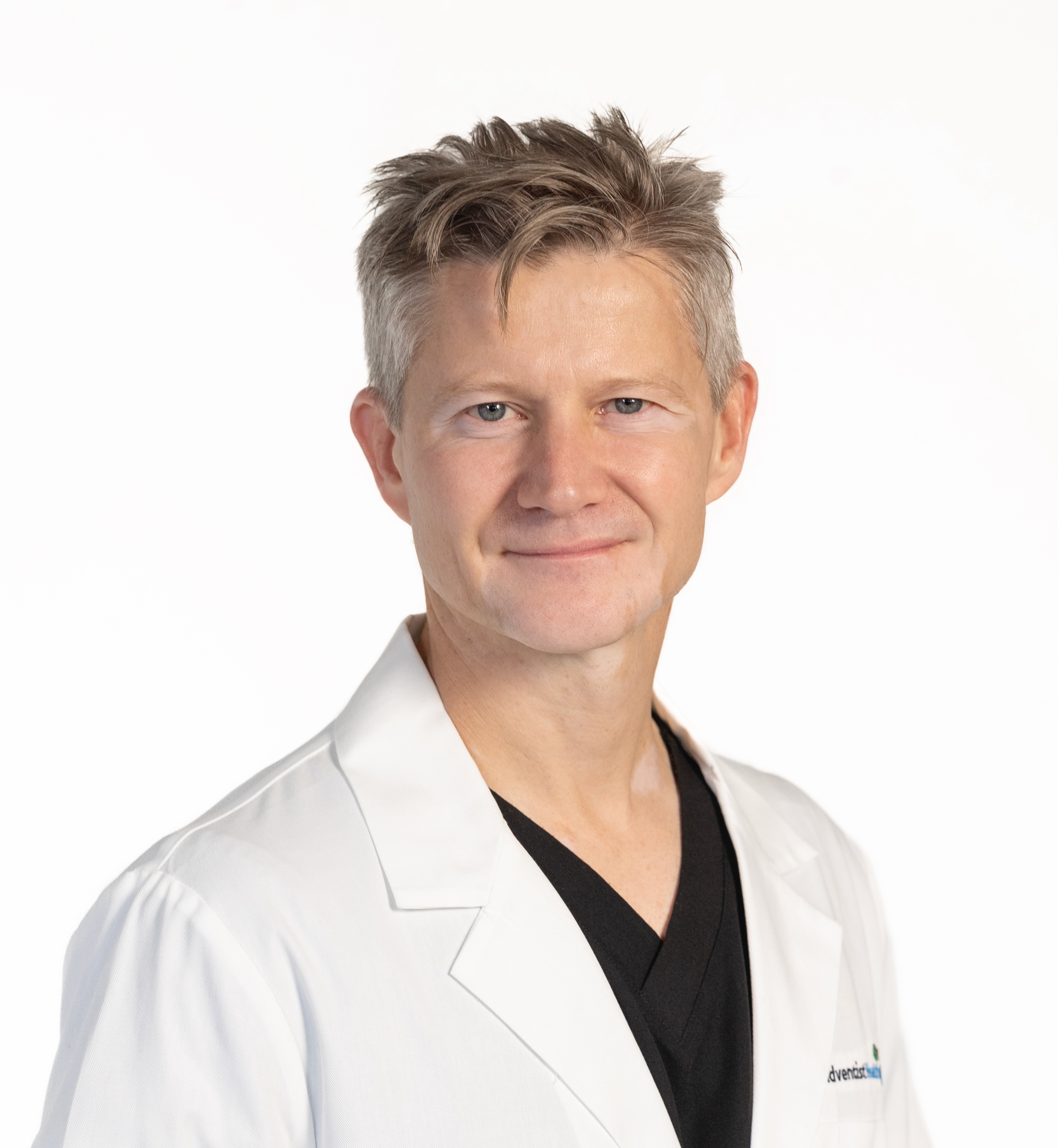
Plastic Surgeon
Dr. Luke Swistun is a board-certified plastic surgeon with a background in visual arts and medical military service. He’s known for his artistic approach to plastic surgery and for the close, supportive relationship he forms with every person he treats.
As a plastic surgeon, Dr. Swistun has years of general surgery and plastic surgery training. He attended medical school at the University of Illinois. He completed his general surgical training while in the navy and continued his Plastic and Reconstructive training at the University of Utah. After serving as a naval medical officer and deploying with the U.S. Marines during active conflicts, he completed his general surgery training, and subsequently focused on pursuing what he truly felt is his calling: reconstructive and plastic surgery.