


Who says plastic surgeons can’t rock out after hours? For Dr. Johan Brahme, music isn’t just a hobby—it’s part of how he approaches life and surgery.
He shares how growing up in a musical family inspired him to play bass in multiple bands throughout his life, perform for communities like assisted living homes, and even bring music aboard the USS Midway.
Hear about the surprising parallels between performing on stage and in the OR, and why he soundtracks surgeries from classical to heavy metal.
Dr. Brahme also opens up about his interest in archaeology, Swedish comfort food, and his ideal slow Saturday away from the OR and the amp.
Links
Meet San Diego plastic surgeon Dr. Johan Brahme
Schedule a meeting with Dr. Brahme’s patient coordinator
Watch the trailer for Netflix’s Cave of Bones
Learn from the talented plastic surgeons inside La Jolla Cosmetic Surgery Centre, the 12x winner of the San Diego’s Best Union-Tribune Readers Poll, global winner of the 2020 MyFaceMyBody Best Cosmetic/Plastic Surgery Practice, and the 2025 winner of Best Cosmetic Surgery Group in San Diego Magazine’s Best of San Diego Awards.
Join hostess Monique Ramsey as she takes you inside LJCSC, where dreams become real. Featuring the unique expertise of San Diego’s most loved plastic surgeons, this podcast covers the latest trends in aesthetic surgery, including breast augmentation, breast implant removal, tummy tuck, mommy makeover, labiaplasty, facelifts and rhinoplasty.
La Jolla Cosmetic Surgery Centre is located just off the I-5 San Diego Freeway at 9850 Genesee Ave, Suite 130 in the Ximed building on the Scripps Memorial Hospital campus.
To learn more, go to LJCSC.com or follow the team on Instagram @LJCSC
Watch the LJCSC Dream Team on YouTube @LaJollaCosmeticSurgeryCentre
The La Jolla Cosmetic Surgery Podcast is a production of The Axis: theaxis.io
Theme music: Busy People, SOOP
Announcer (00:00):
You're listening to The La Jolla Cosmetic Podcast with Monique Ramsey
Monique Ramsey (00:05):
Who says plastic surgeons can't rock out after hours. Today we sit down with a surgeon who brings both technical skill and musical soul to everything he does. Welcome back to the podcast, Dr. Brahme.
Dr. Brahme (00:19):
Hello, Monique.
Monique Ramsey (00:20):
Hello. Okay, this is going to be really fun because these are really off the wall questions. Thank you, Hannah, producer Hannah for that. They're super fun. So if surgery had a soundtrack, what genre would it be and why?
Dr. Brahme (00:34):
So if surgery had a soundtrack, what genre would it be? And I think it would be classical because everything comes from classical music and everybody's stolen from classical composers, and it encompasses everything from the very tranquil impressionists to the very heavy, modern orchestral composers like Tchaikovsky. And then there are soft interludes, and there's very pretty passages by Chopin, Mozart and so on. And so I think that probably the entire world of surgery would be soundtrack by classical music. Not to say that rock and roll doesn't fit in. I mean, liposuction, we usually play, usually play pretty heavy metal. But when I do a facelift, I want something more tranquil and contemplative. So I'm either classical or a little jazz, something like that. So there are many soundtracks to surgery.
Monique Ramsey (01:50):
So before we dive too far into this, let me back up and ask you, what instruments do you play and what are your favorites?
Dr. Brahme (01:59):
I come from a very musical family. My grandfather was, in addition to being a general practitioner in Malama in Sweden, he was an excellent violinist. And he used to play with my father who was, I mean, he wasn't a prodigy, but he was like one step below a prodigy on the piano. And I remember him all my young life sitting and playing at the piano. And as a matter of fact, you could buy recordings of piano concertos without the piano. And so he would buy these recordings, play them on the record player, and then play along with the missing piano part. And I remember that my entire childhood. So when it was time for me to take piano lessons to the same piano teacher that my father did, and I think she was very disappointed because I was not nearly as good as my father, and I never practiced, and I hated it because I didn't want to be compared to somebody else. So piano, not so much. But then in eighth grade, my friend and the popular guy in school said, I'm putting together a band, and if you get a bass guitar, you can play in my band. And so I got a bass guitar. So I started in about eighth grade, and I've played bass guitar ever since. And I love that instrument. I play guitar as well, and I've played lead guitar and bands and so on. But my instrument is bass, and I love the instrument because I can drive that band down any road that I want to go, or I can pull it back.
(04:00):
If you listen to rock music and you take away the bass, there's not much there. There's not much there. So I enjoy that. I still play it. I still have a band. I still perform. As a matter of fact, we played out on Saturday. These days it's not as big gigs. What we're doing is that we are actually playing assisted living homes in the San Diego area.
Monique Ramsey (04:29):
Oh, nice.
Dr. Brahme (04:30):
Which is really nice because my parents were in an assisted living home for a while, and they really enjoy this. And I'm getting to be not too far away from assisted living myself. So a lot of these people know all these songs. And so it's way back to their youth a little bit. So far we played about 16 or 17.
Monique Ramsey (04:58):
Oh my gosh.
Dr. Brahme (04:58):
And the reception has been incredibly warm.
Monique Ramsey (05:00):
Give me a couple songs that you find that everybody starts to tapping.
Dr. Brahme (05:06):
Knocking on Heaven Door, heaven's Door, and we play some Van Morrison songs, some Tom Petty songs, some America songs, some Beatles songs, so sort of light rock. And we have a great time. We have two guitarists and one guy who plays percussion and then me on bass. It's really a lot of fun.
Monique Ramsey (05:33):
Oh, that's so nice. Now, what's the name of your band?
Dr. Brahme (05:35):
We are the Silver Beatles.
Monique Ramsey (05:38):
Silver Beatles. I love it.
Dr. Brahme (05:40):
Its the Silver Beatles. And actually, for those who are really in the know, the Silver Beatles was actually the name of the Beatles before they became the Beatles.
Monique Ramsey (05:51):
Really?
Dr. Brahme (05:52):
So that was their name first. Yes. For a couple of months
Monique Ramsey (05:55):
There's some trivia.
Dr. Brahme (05:56):
And then they dropped that. So we feel connected that, and we do a few backyard parties and stuff, but really the fun isn't playing for the senior crowd.
Monique Ramsey (06:09):
Yeah. Well, I remember you played, I don't remember whose house it was, but we were up in Carlsbad and one of the holiday parties.
Dr. Brahme (06:17):
That was for a dinner party, the nurse had hired this guy who was her neighbor, who was, he was the keyboard player for the Doobie Brothers.
Monique Ramsey (06:29):
Oh, really?
Dr. Brahme (06:30):
Lester, I didn't realize Lester. I forget his last name, Lester. But anyway, he co-wrote one of their big hits, and so he was there.
Monique Ramsey (06:38):
That was really fun to see you guys.
Dr. Brahme (06:40):
Yeah. And so I went home and brought down my bass guitar and played with him. I think the video is still up on YouTube somewhere
Monique Ramsey (06:47):
Probably.
Dr. Brahme (06:48):
Yeah. So that was a lot of fun.
Monique Ramsey (06:50):
Well, I remember you also playing with when the Plastic Surgery Society came to San Diego, and on the USS midway, there was a party and you guys did ad hoc Plastic Surgery band, and you were even playing drums, like a little
Dr. Brahme (07:07):
No, no, no.
Monique Ramsey (07:08):
Bongo type.
Dr. Brahme (07:09):
Yeah. Maybe bongo
Monique Ramsey (07:10):
Something little.
Dr. Brahme (07:11):
Yeah, I'm a miserable failure at drums. I always wanted to play the drums, but I never got a hang of it. But yeah, that was the A SPS meeting, I think. Well, it was before, so it was probably 2019 or something like that. And we put together a band of all plastic surgeons, and I played bass and we played on the Midway, which was really, really a lot of fun. A lot of fun.
Monique Ramsey (07:42):
You guys did so well together too. It was like, you probably don't even,
Dr. Brahme (07:46):
We rehearsed that morning and then we played in the afternoon, and there were some rough edges. But what you have to know when you're in a band is that the beginning has to be together and the end has to be together, stuff in the middle. You can make some mistakes. Nobody's going to notice. But it was a lot of fun. It was a lot of fun.
Monique Ramsey (08:08):
If you were to form a band with other surgeons, do you have a name you would give it?
Dr. Brahme (08:15):
Oh God. I'm getting to the more senior levels now. So my band names have reflected that. One was called Left for Dead. One was called Late Arrival, but I think Left for Dead would be good.
Monique Ramsey (08:32):
It's really funny. Well, I remember at my wedding a hundred million years ago, we had Dr. Feelgood and the Interns of Love, and they were so much fun, and it was all kind of funk, brick house and really fun. And there was like, the singer was hysterical. She was really good. And they were a bunch of doctors at a band, and they were so, so fun.
Dr. Brahme (08:55):
And I have another band I play with that are also a bunch of doctors, and it's really fun. It's a way of blowing off steam, being non-serious and just rocking it out.
Monique Ramsey (09:12):
Yeah. Well, and even, and I will dig this video up probably on our YouTube somewhere, but I remember Cassidy, one of your patients, she had some lipo and she did a whole journey where she shared that journey, and then at the end of the whole thing, she knew were in the living room there at La Jolla Cosmetic Surgery Center, and you had a little jam session together.
Dr. Brahme (09:38):
Right, right. She had written a new song that was coming out, and she sent it to me and she said, put some bass on that. And then she came over and we hung out, and I played the bass with her there and she was singing. It was really fun.
Monique Ramsey (09:55):
It was really, really cool to see this neat artistic collaboration. And both sides of you as the artist too. It
Dr. Brahme (10:04):
Well, surgery is art, at least plastic surgery.
Monique Ramsey (10:06):
Yeah. So, in your OR music, you said you kind of liked it a little more tranquil when you're doing faces. And what are some of the highlights of your playlist for body work versus
Dr. Brahme (10:20):
Oh, body work, I like Classical Rock. That's my era. So every day when we go in the or, the anesthesiologist will ask me, so what are we playing today? And we'll pick an artist. We'll pick Fleetwood Mac, or we'll pick Elton John or something like that. And that'll be the theme for the day.
Monique Ramsey (10:42):
Now, what a lot of people in the audience might not know is your community side too, because you were involved with the Music Society here in La Jolla and the mainly Mozart festival. So tell me a little bit about when you're hanging out doing music in a more for, you're not playing, but you're enjoying.
Dr. Brahme (11:07):
Yeah. So about, I don't know, 20 years ago or so, I was asked if I wanted to be on the board of La Jolla Music Society. And so I accepted, and I was on that board for about 10 years and got to know a lot of people, but also a lot of musicians, which was really the delightful part of being involved was that really, you get to meet these musicians year after year when they come. So I did that for about 10 years. And then I have been with Manly Mozart for about another eight years now, and we basically bring musicians from all and put together concerts here. Mainly Mozart has a early summer festival where they bring the concert masters and mistresses from all of the big American orchestras and put them together in an All-star orchestra for about a five day performance in June. And that's just fantastic. Just fantastic.
Monique Ramsey (12:22):
What parallels do you see between performing plastic surgery and performing music? They both require precision.
Dr. Brahme (12:30):
They do, and precision and attention to detail. There are areas where you know that you can go fast. There are areas that you know where you have to slow down and you're the captain of the ship. That's why they call it an operating theater. It's a little bit of a performance. So there are so many parallels and so many musicians, so many surgeons who play music. I've played with a lot of them, and it's surprising how many.
Monique Ramsey (13:04):
Well, you guys are all very artistic. So I've met surgeons over my career who did painting and like you say, a lot of musicians, just a lot of creative people.
Dr. Brahme (13:18):
It is a creative, I mean it a creative field. And I think if you were a plastic surgeon and you were not creative, you're missing a little spark there somewhere. Yeah.
Monique Ramsey (13:31):
Yeah. So have you ever used your bass guitar to decompress after a long day?
Dr. Brahme (13:37):
Oh, yes. All the time. It's permanently set up upstairs at my house. I can just go plug the music on, turn the amp on, and play for a while.
Monique Ramsey (13:48):
If you weren't a surgeon, would you
Dr. Brahme (13:51):
Be a musician?
Monique Ramsey (13:53):
Yeah. Would your alternate life be on tour?
Dr. Brahme (13:56):
No, I have another interest that I probably would be an archeologist.
Monique Ramsey (14:04):
Really?
Dr. Brahme (14:05):
Yeah. Oh, tell more. That's my secret. No, I was always intrigued with antiquity when I was a kid, and I read about Egypt, so on, and I've maintained that. I was an archeology minor in college. My wife and me, our honeymoon was in Egypt.
Monique Ramsey (14:29):
Wow. That's a unique place to go.
Dr. Brahme (14:32):
So I've indulged that passion. So that's probably what I would've done. Totally different life.
Monique Ramsey (14:42):
How fun.
Dr. Brahme (14:44):
Yeah.
Monique Ramsey (14:44):
How fun though. Yeah.
Dr. Brahme (14:46):
And they discover new stuff every day. Every day. I mean, when we were on our honeymoon in Egypt like 35 years ago, there's so much more now, so much that they've discovered in the last 35 years. And my wife is from Turkey, and Turkey has discovered some incredible things near where the arc is supposed to have been stranded on Mount Ararat. There's some community there that are very interesting that go back 12,000 years sort of rewriting the whole timeline of antiquity. So it's an exciting field, and we're going to continue to discover more.
Monique Ramsey (15:30):
Yeah. Well, I think the fact that science can start to sometimes upend what those archeologists are thinking, it's like science comes along and says, oh, we're carbonating that to a whole different time.
Dr. Brahme (15:43):
Yeah, we're re dating that .
Monique Ramsey (15:45):
It's 20,000 years older.
Dr. Brahme (15:47):
Right, exactly. And that happens.
Monique Ramsey (15:49):
Yeah, no, it's so interesting. My kids tease me because I watch a lot of documentaries, and one was so good. It was called, I think, Cave of Bones. They would not give me any moments piece. They just kept teasing me about it. I'm like, Hey, it was really good. It was really good.
Dr. Brahme (16:07):
You could actually learn something.
Monique Ramsey (16:08):
Yeah, exactly. Some of the other stuff out there is just not that good for your brain. So tell me a little bit about
Dr. Brahme (16:16):
You stick to it.
Monique Ramsey (16:17):
Yeah, thank you. I will. Who were some of your biggest musical influences as you were growing up and heading into adulthood and then let's say now?
Dr. Brahme (16:29):
I love The Beatles. I loved anything about the Beatles. When we moved to the United States, the first thing I did was to go to Macy's in New York and buy the new Beatle album that came out. And I still listen to them. I still think that they are, and I'm going to maybe say something that won't make me friends, but I think that they're the only band that music is going to continue for generations. I don't think people will remember the Rolling Stones. They'll remember the Beatles. Then I got into more of what's called Progressive Rock. So yes, and Genesis and that sort of thing. And now I'm mellowing a little bit more with classical music and jazz. And I have a very good friend who is the principal bass player for the San Francisco Symphony. He's my favorite hero right now because he plays bass guitar and bass, standup bass, and I think my palette is much bigger, bigger now than it used to be.
Monique Ramsey (17:41):
Do you remember the first song you learned to play from start to finish?
Dr. Brahme (17:46):
Oh, yeah. It was, Hey, Joe, by Jimi Hendrix. Really simple song. Everybody knows it, but I was so proud when I learned it because I really had no idea about playing bass. So that was my first song that I learned. But this was in the early days of the rock movement, and so the bands that I would see, I would go to the arena and see Eric Clapton. I saw Led Zeppelin when they were on, just had two albums out and it was really the cradle of what was to come. It was really fun. It was an exciting time.
Monique Ramsey (18:29):
What do you think is something that music has taught you that surgery couldn't?
Dr. Brahme (18:34):
Music has taught me that I can learn anything if I really just dissect it apart and sit down and do it over and over again. And in surgery, it's sort of a similar thing. I know the operation that I'm going to do the next day, and if I haven't done that operation in my head already and finished it, if I'm just going in sort of bumbling, oh, what are we doing today that just doesn't work the night before? I always look at what I'm doing and I do that operation in my head, this step and this step and this step. Then things go fine. But it's like standing up on a stage and we're playing this song that you've never heard. That's a very uncomfortable feeling. Or the same thing if you come into an operating room and you have no idea what you're doing. That's a very uncomfortable feeling. So I think by breaking things down and rehearsing them, you can transfer between the two. Surgery and music.
Monique Ramsey (19:55):
That's very interesting. Besides music, what else do you like to do when you're outside the office?
Dr. Brahme (20:02):
Oh, I like to hike. I like to be, we live in California. I'm down by the beach. I like to cook. I like to eat. I like to travel.
Monique Ramsey (20:14):
What's your favorite thing to cook?
Dr. Brahme (20:16):
I make this Swedish Christmas dish with herring and potatoes. It's really good. It's called Jansson's Temptation.
Monique Ramsey (20:28):
Who is Jansson?
Dr. Brahme (20:30):
Well, it's a funny thing because a woman who came up with this recipe, she was cooking it in Stockholm and there was a theater outside, and she was just making this dish, and somebody came in and said, what is this? It's so good. And she didn't know. And what was at the theater? Jansson's Temptation. So that's how it got its name reportedly in the twenties.
Monique Ramsey (20:55):
Oh, that's so funny. Well, that's a cool name for a dish. Yeah, sounds like that could be a band name too, right?
Dr. Brahme (21:03):
Yes, it could.
Monique Ramsey (21:06):
Last question, what's your ideal Saturday morning like?
Dr. Brahme (21:10):
Oh, I like to sleep until about, I don't know, 7:30, 8, and then a really good cup of coffee sitting by the pool, maybe reading the paper, going down to the beach, going to the farmer's market, and then going to play music with my friends.
Monique Ramsey (21:37):
I love that. I love that. Well, thanks for sharing. Kind of getting to know you a little bit better behind the camera and behind the headphones and the microphone.
Dr. Brahme (21:47):
Thank you for asking me these questions. They were really,
Monique Ramsey (21:49):
It was fun. It was very fun.
Dr. Brahme (21:50):
Yeah, it was good.
Monique Ramsey (21:51):
And next year for our holiday gathering that we do every year at the surgery Center, we've been doing it since the nineties. I remember doing it on Prospect where everybody brings a potluck and kind of around the Thanksgiving time, we might have to have you making some Jansson's Temptation.
Dr. Brahme (22:08):
Some Jansson's. I'll make that for Christmas.
Monique Ramsey (22:12):
That'd be great. Alright, thanks everybody for listening and check the show notes for links and we'll see you all on the next one. Bye.
Dr. Brahme (22:19):
Happy holidays.
Announcer (22:26):
Take a screenshot of this podcast episode with your phone and show it at your consultation or appointment, or mention the promo code PODCAST to receive $25 off any service or product of $50 or more at La Jolla Cosmetic. La Jolla Cosmetic is located just off the I-5 San Diego Freeway in the Ximed building on the Scripps Memorial Hospital campus. To learn more, go to ljcsc.com or follow the team on Instagram @ljcsc. The La Jolla Cosmetic Podcast is a production of The Axis, theaxis.io.
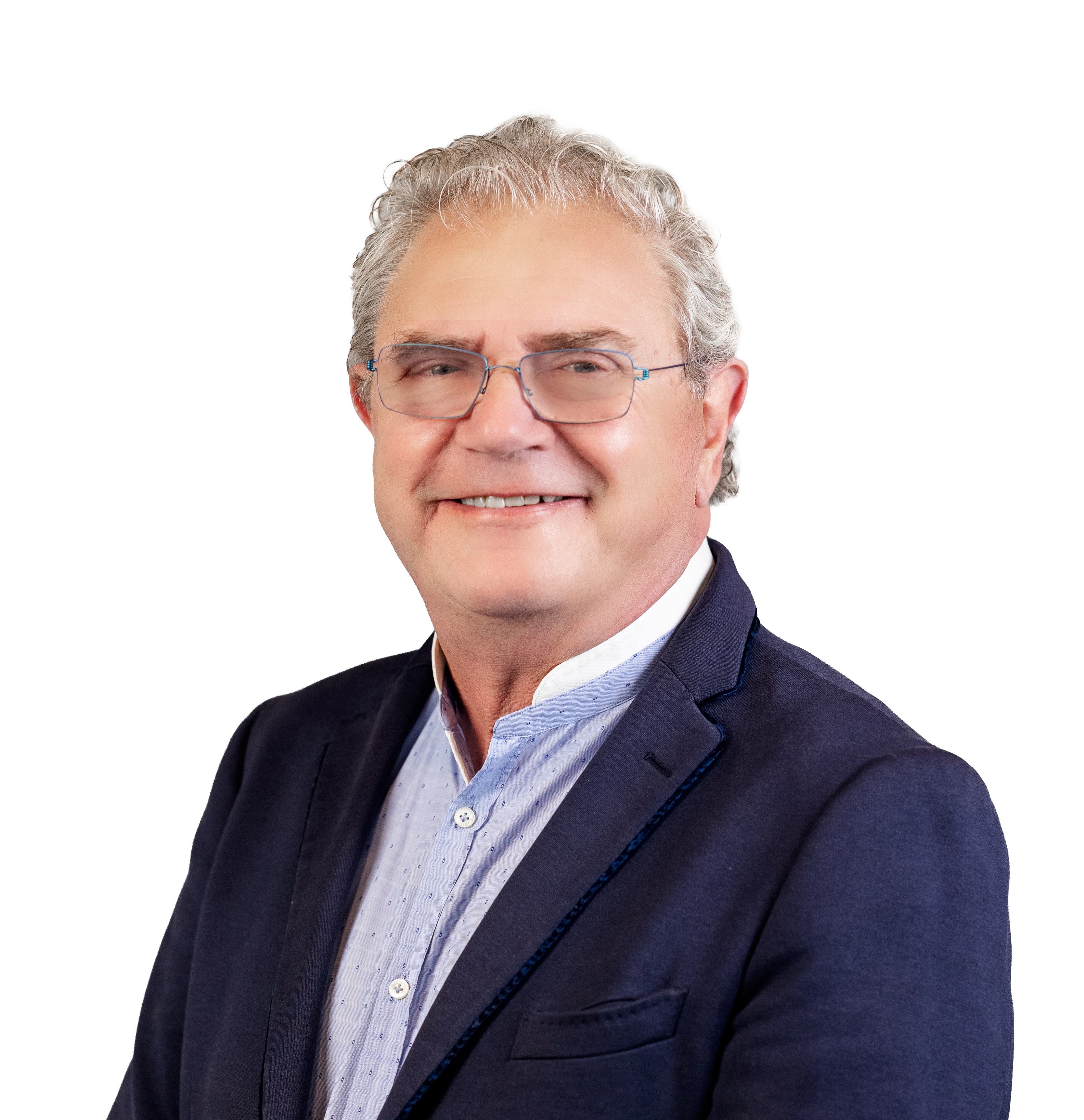
Plastic Surgeon
Dr. Johan Brahme is a board certified plastic surgeon with a reputation for his kind bedside manner, commitment to safety, and beautiful results.
Dr. Brahme’s philosophy in patient care is essentially the application of the Golden Rule… to care for every single patient the way he would want his own family to be treated. His team makes you the center of your plastic surgery experience. It is about your body, your life, your desires, and your decisions.